
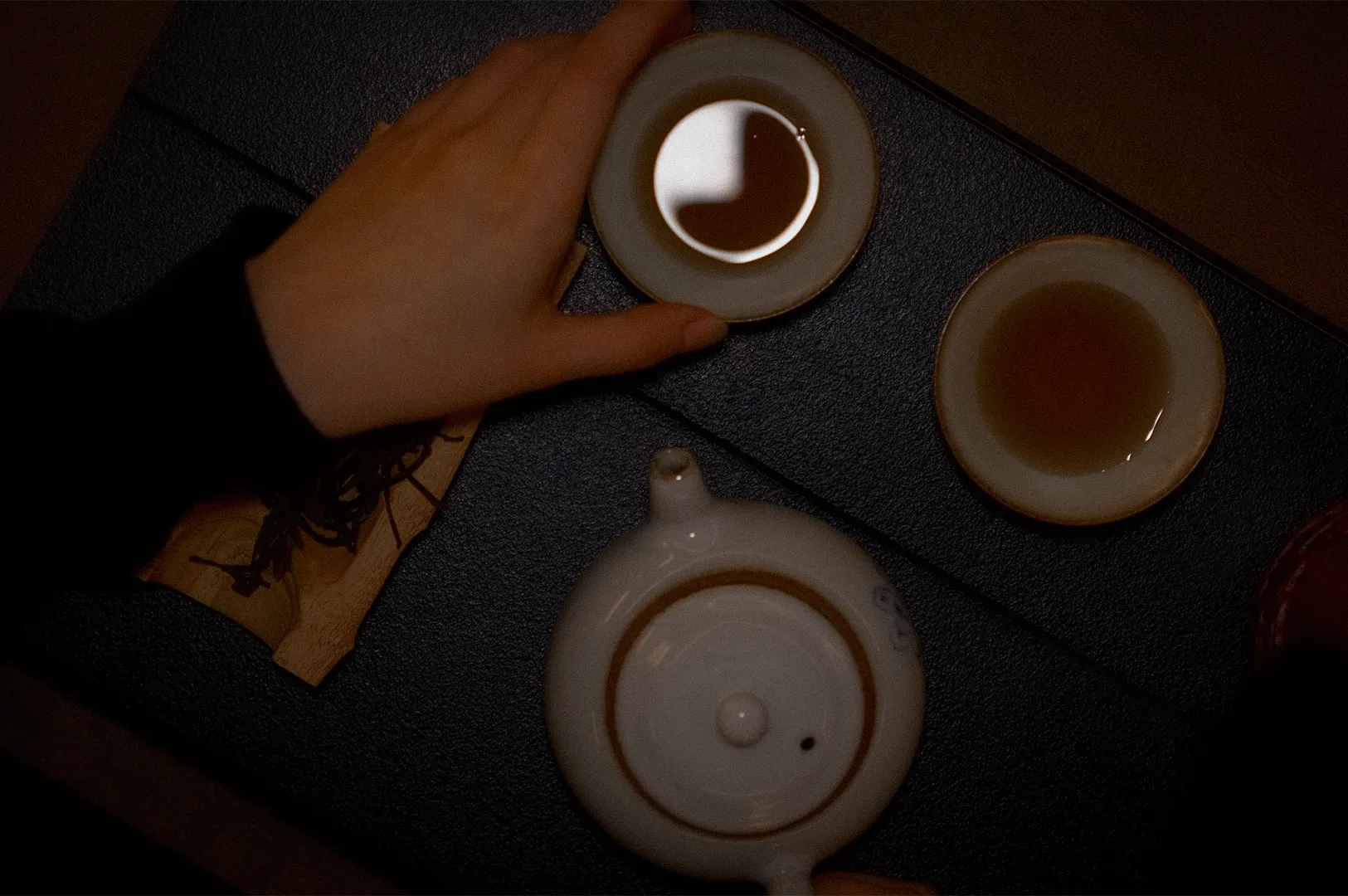
At first glance, Orchard Plaza does not seem like the obvious place to look for stillness. It sits in the middle of Orchard Road, surrounded by traffic, malls, restaurants, karaoke signs and the usual city movement. Yet that is partly why Tea Room by Ki-setsu feels interesting. It does not announce itself like a lifestyle concept trying to be discovered. It feels more like something you arrive at only because you were meant to.
This is not a typical tea room where guests walk in, scan a menu, order a drink and leave after tea time. Tea Room by Ki-setsu is private, reservation-only and deliberately slow. There are limited seats, no walk ins, and the session is structured around one thing: Chinese tea treated with enough time, quiet and attention for guests to understand what they are drinking.
For Singapore, where many experiences are designed around convenience and volume, this feels almost unusual. Tea Room by Ki-setsu does not compete by being loud. It draws attention by refusing to be rushed.
A Chinese Tea Room Built Around Privacy, Not Turnover
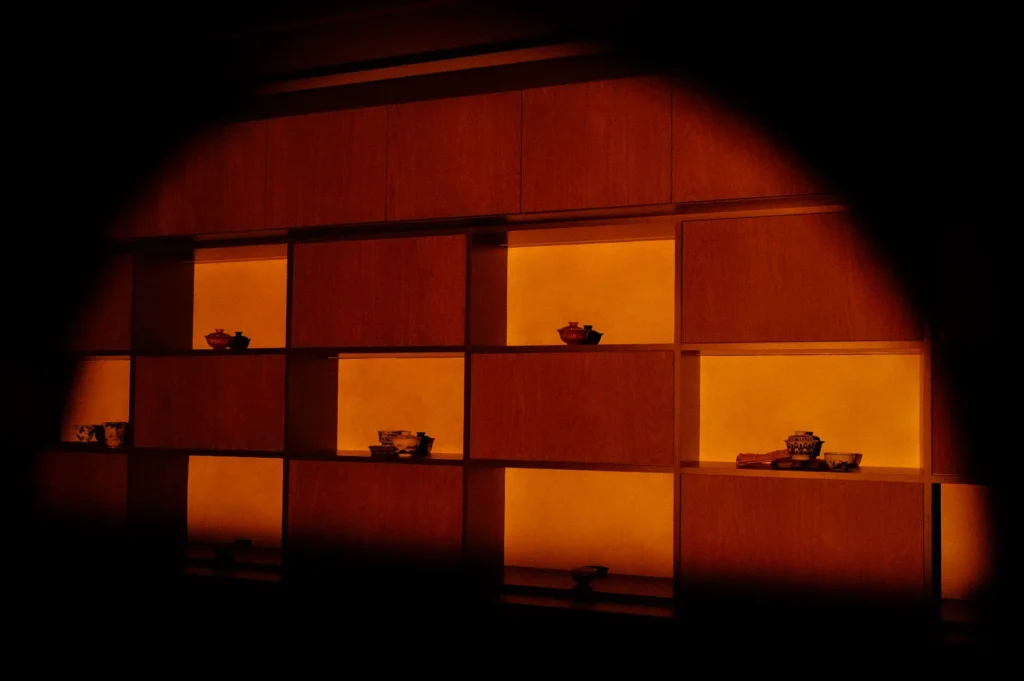
The first thing to understand about Tea Room by Ki-setsu is that the privacy is not a decorative detail. It shapes the whole experience.
A private tea room changes the mood immediately. There is no queue forming behind you, no pressure to finish quickly, no crowd moving in and out of the room. It is usually just the guests and the tea master, which gives the session a different sense of focus. Conversation becomes softer. The cup becomes more noticeable. The aroma has room to register before the next sip.
This makes Tea Room by Ki-setsu better suited for people who want a slower appreciation of tea rather than a casual café stop. It can suit friends who want a quieter kind of catch-up, family members looking for a thoughtful shared moment or a person who is beginning to explore Chinese tea beyond the usual restaurant pot.
It is not cheap in the everyday sense and it is not trying to be. The value is not in quantity. The value is in access, sourcing, guidance and the time given to each brew.
The Premium Chinese Tea Leaves Are the Real Story
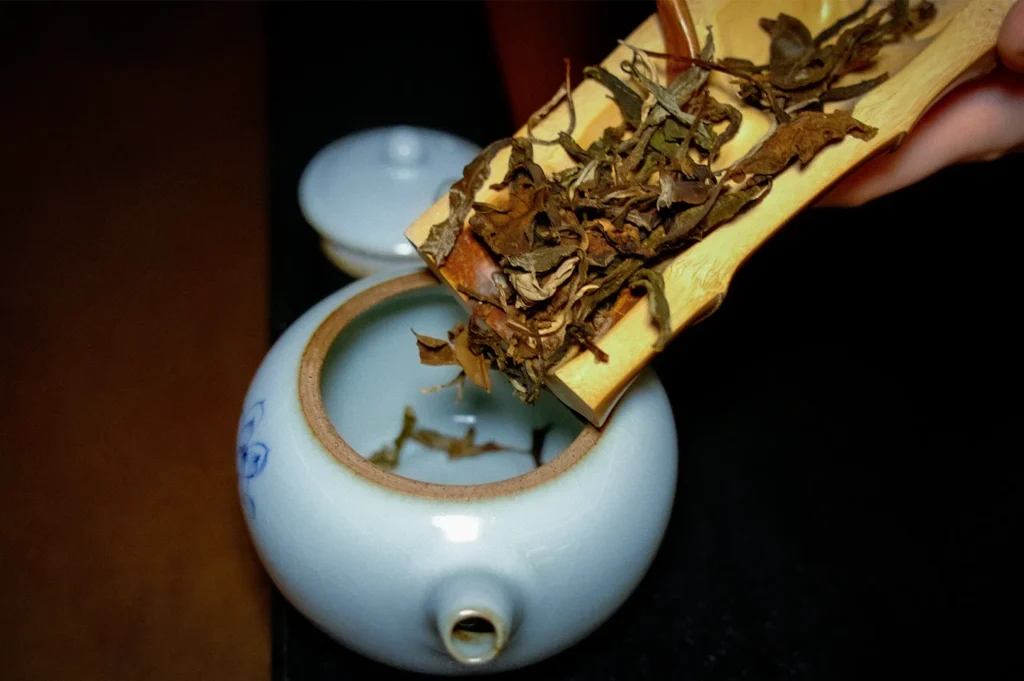
The most interesting part of Tea Room by Ki-setsu is not simply that it is private. It is what the privacy protects.
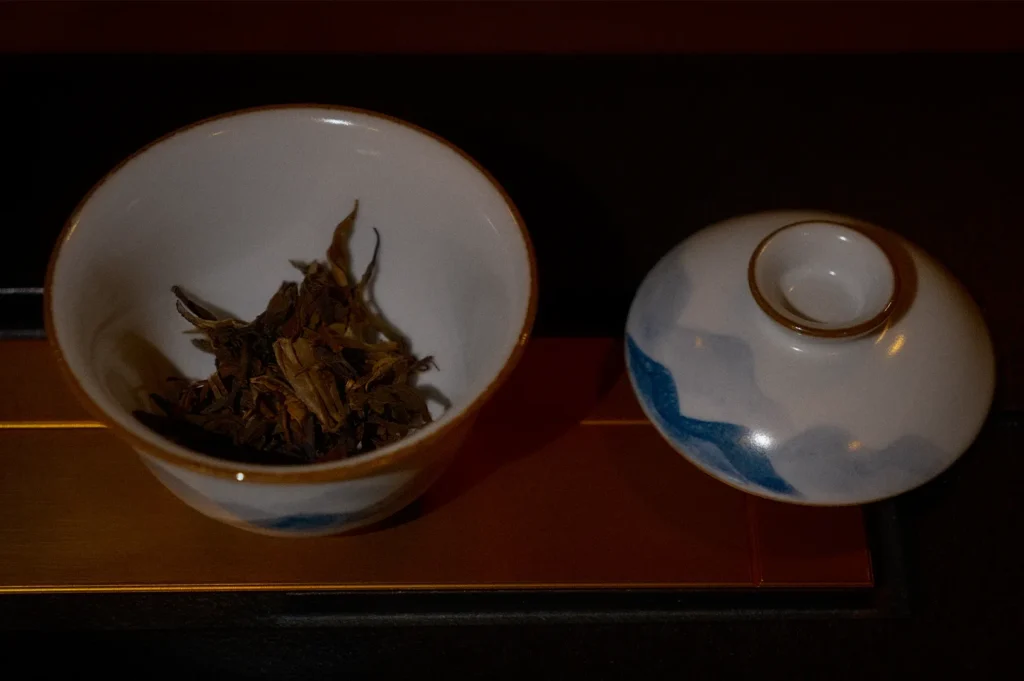
Tea Room by Ki-setsu focuses on premium pu-erh and rare Chinese tea, including names such as Huazhu Liang Zhi, Lao Ban Zhang, Gu Shu Hong Cha, Bing Dao, Yi Bang and Wan Gong. These are not the kind of tea leaves most casual drinkers would encounter in a wide array of supermarket tins or standard retail shelves.
The founder is known to source directly from Bulang Mountain and Yiwu in China, with no middleman involved. That detail matters because rare tea is not just about branding. It is about origin, harvest, age, handling, trust, and whether the story of the tea can be traced with some confidence.
When people talk about rarity, the language can sometimes become too polished. But in tea, rarity can be very practical. A tea master may produce only a small amount in a year. Certain limited harvests may never enter mainstream distribution. Some leaves are only available through long-standing relationships with producers and artisans. From the misty highlands of Yunnan to a quiet room in Singapore, that journey is part of what guests are invited to notice.
This is where Tea Room by Ki-setsu becomes more than a place to drink tea. It becomes a way of understanding why some teas cannot simply be reordered when demand rises.
When Time Slows, Taste Changes
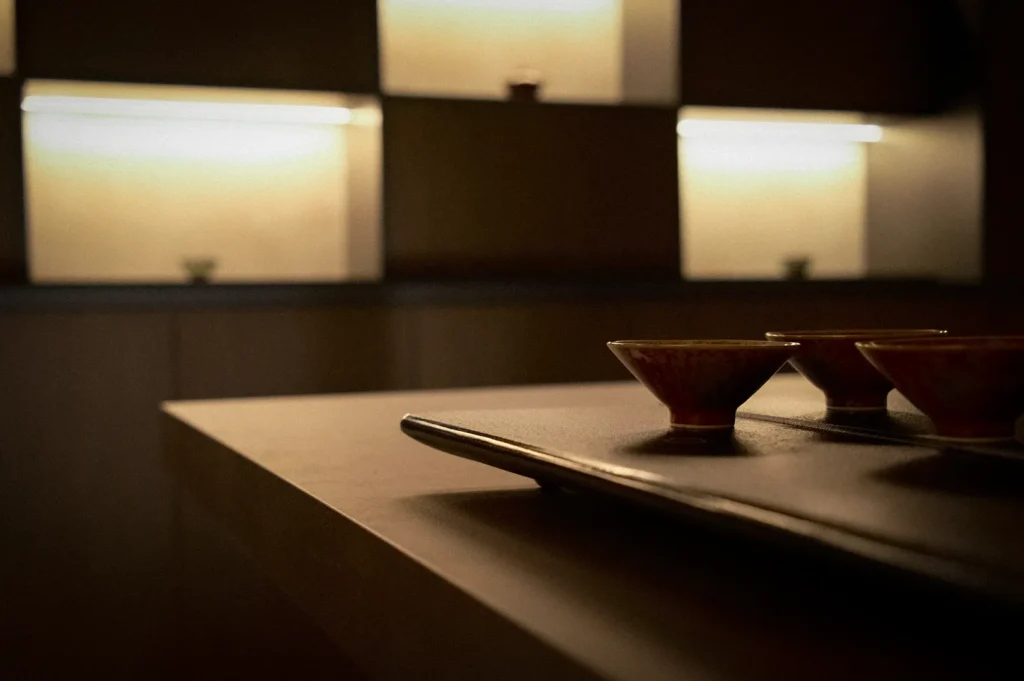
A session at Tea Room by Ki-setsu can run up to around two hours. That may sound long if tea is usually treated as a quick drink, but it makes sense once the session begins.
Different teas do not reveal themselves all at once. The first brew may carry structure. The second may feel softer. The third may bring out a different flavour or a longer finish. A good cup of tea is not only about taste, but also aroma, texture, temperature, mood, and memory.
This is especially true for pu-erh, where the character can shift across multiple infusions. Guests may begin to notice earthiness, sweetness, depth, dryness, brightness, or a quiet roundness that was not obvious at the start. The tea master’s role is not to overwhelm the session with information, but to guide attention gently.
There is a kind of modern relaxation here, but not the spa-like kind that relies on scent, music and design language. It is more restrained. The relaxation comes from repetition: warm the vessel, brew the tea, lift the cup, sip, pause. The ritual creates its own rhythm.
The Room, the Vessel and the Point of Restraint
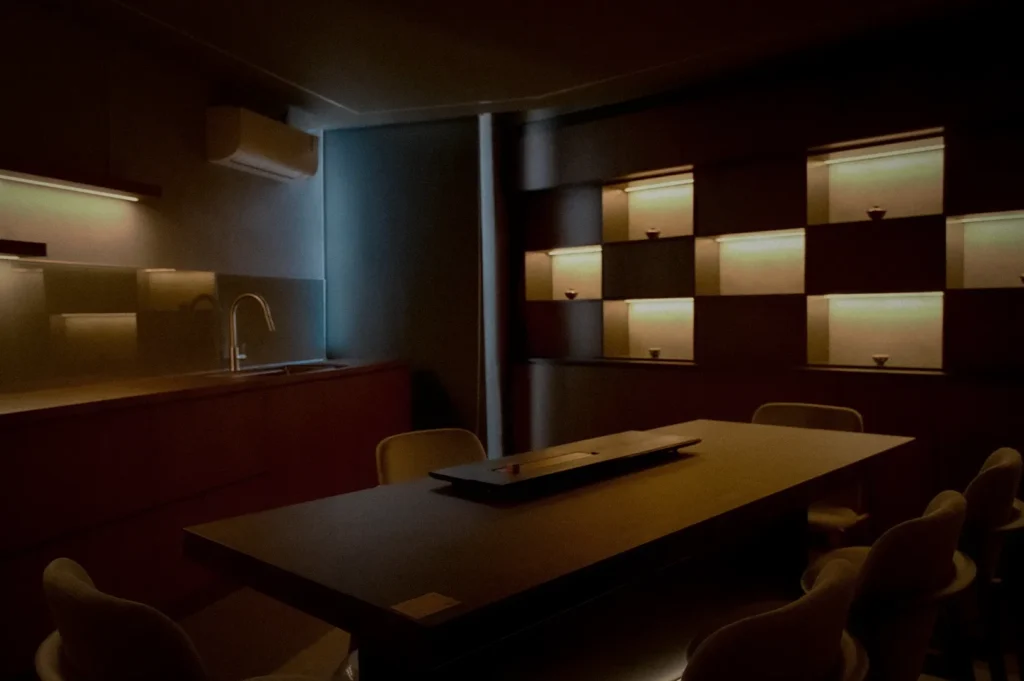
Tea Room by Ki-setsu also makes a point about teaware. In Chinese tea, the vessel is not just presentation. It affects heat, aroma, brew strength, and the way the tea opens.
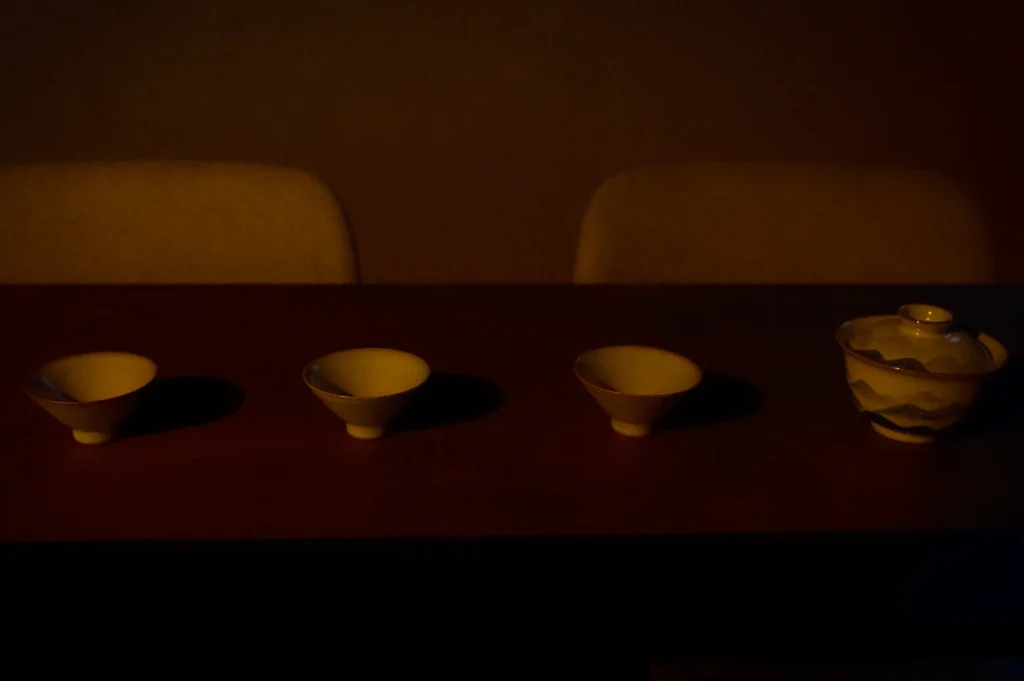
This is where the room starts to feel like a small study in detail. The beauty is not in excess decoration. It is in the relationship between tea leaves, water, vessel, hand, and cup. A small cup changes how slowly you drink. A well-chosen pot changes how the tea holds heat. A particular vessel can shape the experience without calling attention to itself.
Tea Room by Ki-setsu also offers retail selections for those who want to buy tea or explore tea ware after the session. That makes sense, because appreciation often begins in the room but continues at home. Still, this does not feel like a hard sell. The retail element works best when treated as an extension of the session rather than the main point.
Tea Room by Ki-setsu maintains a sense of restraint throughout. Nothing feels designed for instant spectacle. The art is in making guests slow down enough to notice what is already there.
Who Tea Room by Ki-setsu Is Really For
Tea Room by Ki-setsu is not for everyone, and that is probably part of its strength.
It is suitable for guests who are comfortable with quiet. It works for people who enjoy learning through experience rather than reading a label. It is ideal for those who want a private tea session that feels bespoke without being loud about exclusivity.
For first-time visitors to Chinese tea, the guided format is useful because it gives structure. For more experienced drinkers, the appeal may lie in the tea leaves themselves, especially the rare pu-erh sourced from Bulang Mountain and Yiwu. For travellers or locals looking for something different in Singapore, it offers an alternative to the usual dining, shopping or cafe itinerary.
We would not frame it as a casual recommendation for every visitor. But for the right person, it is highly recommended precisely because it feels so specific.
A Quiet Kind of Luxury in Singapore
What makes Tea Room by Ki-setsu memorable is not that it tries to impress at every point. It is that it understands the power of withholding.
The room is quiet. The seats are limited. The tea sessions are private. The leaves are carefully sourced. The pace is slow. None of this is accidental, even if the discovery of the place can feel that way.
In a city where many experiences are made to be photographed, shared, reviewed and repeated quickly, Tea Room by Ki-setsu offers something more difficult to package. It offers a moment where the focus narrows to a cup, a brew, a conversation, and the tradition behind it.
That may be its real beauty. Not that it is rare because someone says so, but because the whole concept depends on things that cannot be mass-produced: trust, craft, patience, access, and memory.
For more info, visit their website: https://tearoom.com.sg/.
For more interesting read, visit our website.