
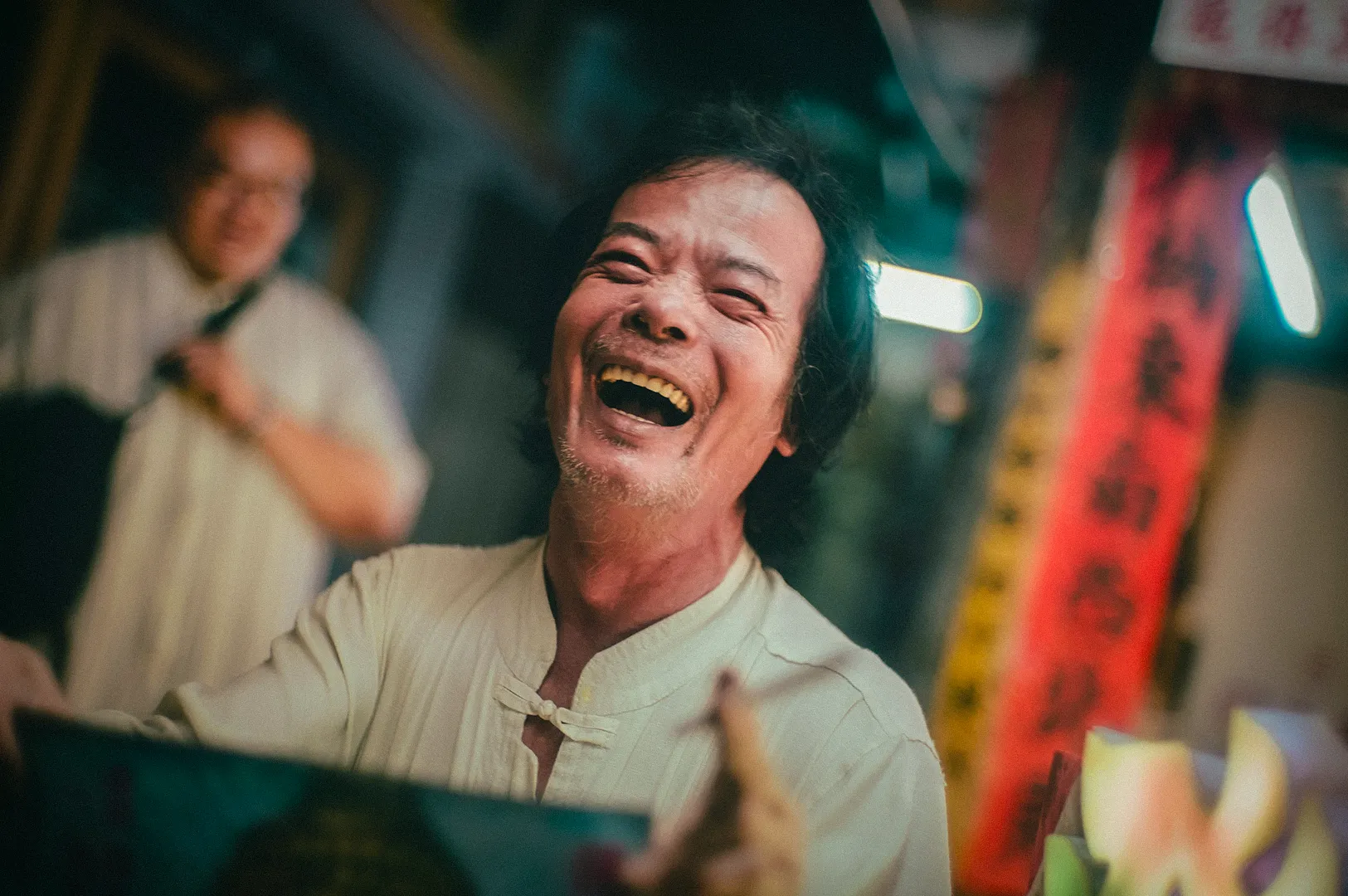
There is a strange moment that happens at every comedy show.
The comedian says something ridiculous. The room erupts. For a few seconds, dozens or even hundreds of strangers are laughing together.
Then the laughter fades.
The comedian moves on.
And somehow, the room feels a little different afterward.
I noticed this recently while watching a stand-up set in Singapore. The joke itself was funny, but what stayed with me wasn’t the punchline. It was the sound of the audience.
People laugh differently when they are alone.
A chuckle. A smile. Maybe a quiet snort while scrolling TikTok at midnight.
But laughter inside a room full of strangers feels bigger. It becomes contagious. One person starts laughing harder, which makes another person laugh harder, which somehow makes the joke funnier than it was a few seconds ago.
The experience becomes collective.
That is what makes live comedy so interesting.
Unlike concerts, where audiences often arrive already knowing the songs, comedy begins with uncertainty. Nobody knows where the joke is going. Nobody knows if it will land.
For a brief moment, the entire room is experiencing something together for the first time.
And in a city like Singapore, that feels surprisingly rare.
Most of our days are structured.
We know our commute.
We know our schedules.
We know roughly what tomorrow looks like.
Comedy introduces unpredictability.
A joke can completely change the mood of a room within seconds. A comedian can take an ordinary observation about MRT rides, hawker centres, dating apps, or Singapore office culture and suddenly make everyone see it differently.
That transformation fascinates me.
The best comedians are not just telling jokes. They are paying attention.
They notice things most people overlook.
The awkward silence inside a lift.
The way Singaporeans suddenly become competitive during buffet dinners.
The strange behaviour that appears whenever someone says, “Last order.”
These observations feel familiar because they belong to all of us.
Perhaps that is why comedy works.
It reminds us that many of our private experiences are actually shared experiences.
The things we assume only we notice are often the same things everyone else has been quietly noticing too.
There is comfort in that. For readers curious about experiencing that atmosphere firsthand, our guide to A Night of Singapore Stand-Up Comedy: What It’s Like, Where to Go, and Why It’s Worth It explores what actually happens when you step into one of the city’s comedy rooms and why the experience feels so different from watching clips online.
Research into social laughter from institutions like The Greater Good Science Center suggests that laughter plays an important role in social bonding. People laugh more frequently in groups than when alone, even when the material itself remains unchanged.
You can feel that happening in a comedy club.
The audience arrives as individuals.
They leave as something closer to a community.
Not because they exchanged names or became friends.
But because for an hour or two, they shared the same reactions, the same observations, and the same moments of surprise.
That shared experience feels increasingly valuable.