
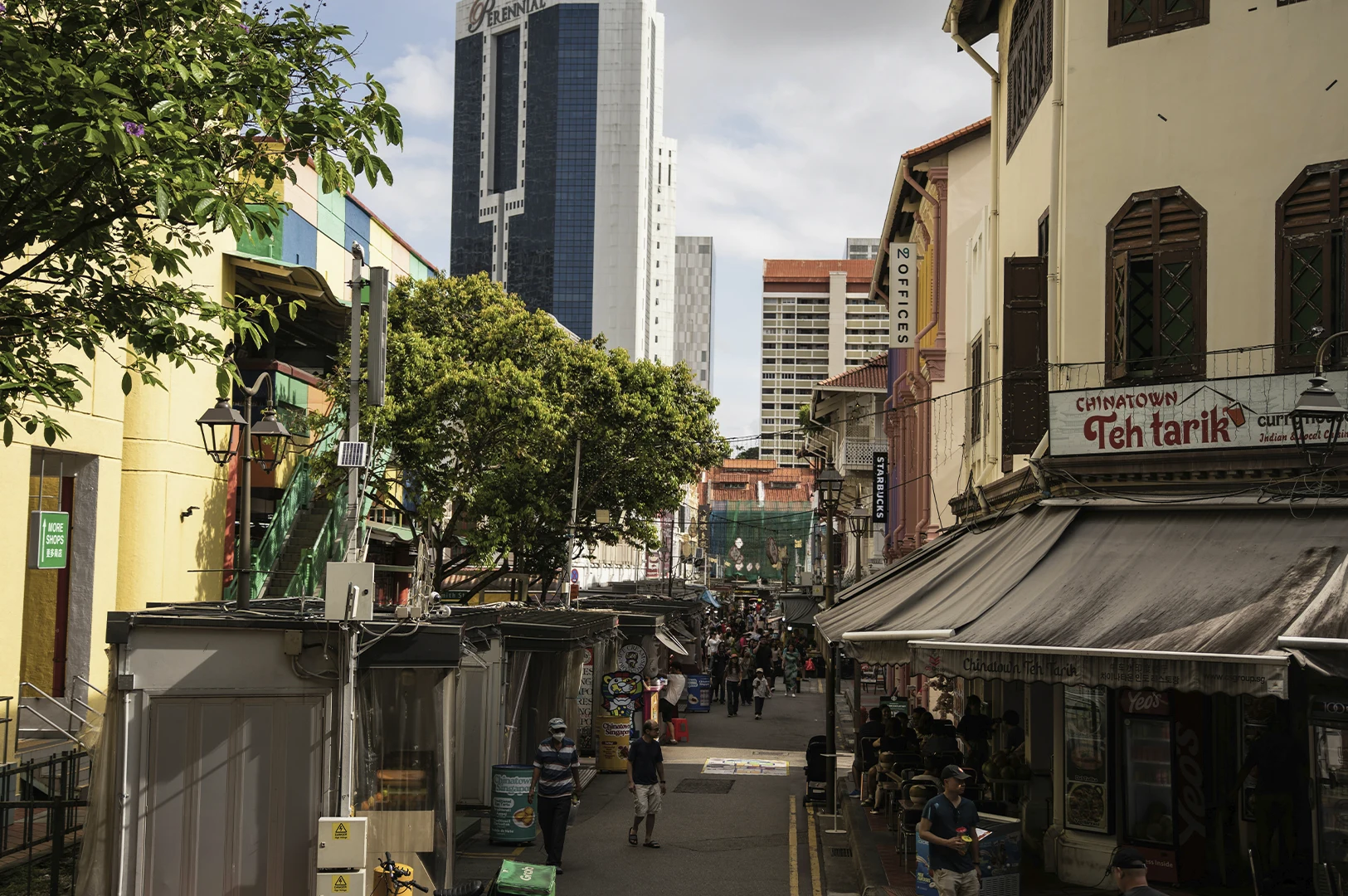
I know the feeling perfectly. It is 6:30 PM on a Friday near an MRT station in Singapore, the humidity is breaking, and your stomach is rumbling. You pull out your phone, type “where to eat for dinner tonight,” and face thousands of options. Do you want a chic wine bar, a bowl of noodles, or a multi-course omakase? Singapore offers all this and more.
When I first moved back, I made every dining mistake. I wandered into tourist traps or arrived too late at hawker centres, I even searched up a lot on the internet, from Japanese restaurants to fast foods, and I end up just missing out on great food. I’ve paid too much for mediocre meals simply because I didn’t know the city’s food rhythm.
A great dinner in Singapore requires strategy. Whether you want a romantic dinner or comfort food like Hainanese chicken rice with fragrant rice cooked in chicken fat, this guide will help you navigate the chaos and maximize your dinner experience.
Where to Eat for Dinner Tonight: How to Decide
The biggest mistake you can make is choosing a restaurant based entirely on a top-ten list without considering your mood.
I’ve found that the best way to choose a dinner spot is to ask yourself three questions: What is my budget? How much energy do I have? What is the occasion?
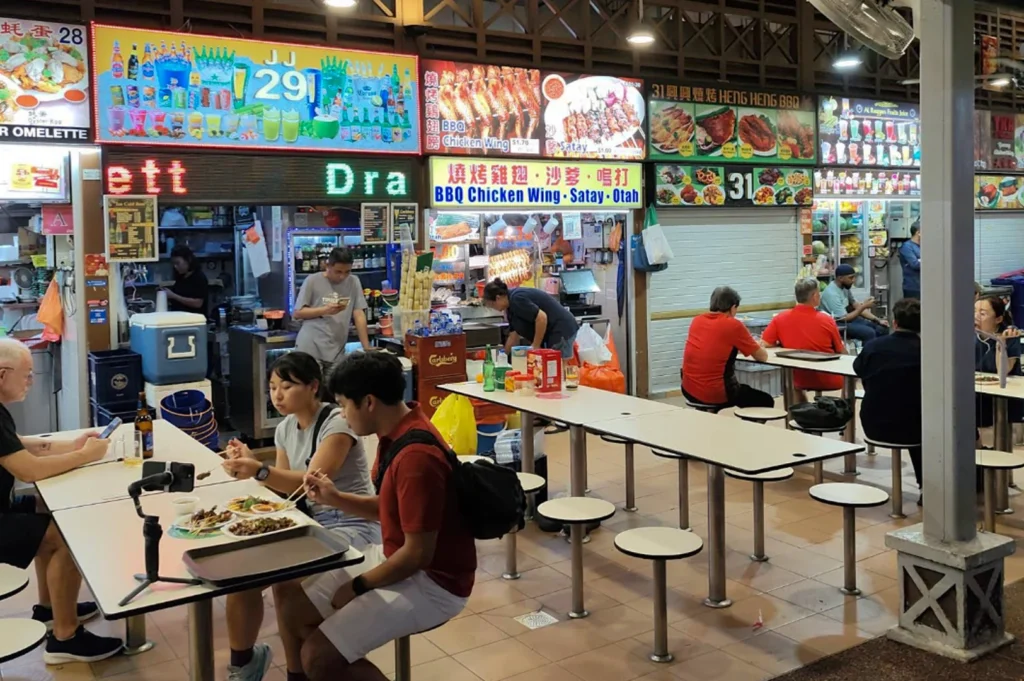
If you want a casual, loud, and incredibly affordable meal where you can wear shorts, hawker centres and hawker stalls are your best bet. Expect to spend around $5 to $10 per person. If you want air-conditioning, a decent wine bar, and a place to actually hear your friends speak, you need to look at neighbourhood bistros or gastropubs, where you should budget $30 to $60. And if it is a special occasion, you are looking at the best Singapore restaurants, which can easily range from $100 to $300 per person.
Match the venue to your vibe. You do not want to take a first date to a fiercely competitive hawker stall if you want to have a deep conversation, just like you don’t want to sit through a three-hour tasting menu if you just want to catch up quickly over a beer.
Chicken Rice: The Quintessential Singaporean Dish
You cannot talk about Singaporean food without mentioning chicken rice, especially the iconic Hainanese chicken rice. This dish features tender poached or roasted chicken served alongside fragrant rice cooked in chicken fat and aromatics, often basmati rice or glutinous rice for a more flavorful rice experience.
Insider Knowledge: When ordering chicken rice, do not ignore the dipping sauces. The trinity of pureed ginger, thick dark soy sauce, and tangy chili sauce is essential. Mix a little bit of each on your spoon with the fragrant rice. It elevates the entire bite. Soft boiled eggs typically served alongside complete the meal.
Maxwell Food Centre is one of the best hawker centres to try authentic chicken rice, where hawker stalls serve incredibly tasty versions of this popular dish.
Best Hawker Stalls and Hawker Centres: Everyday Dining in Singapore
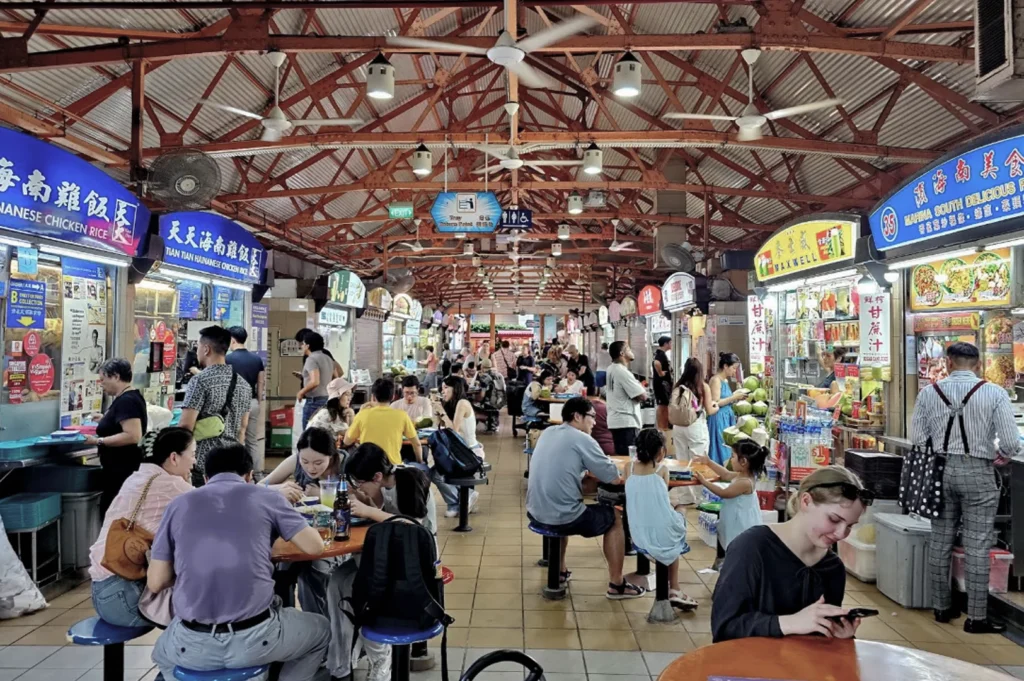
If you want the true pulse of everyday dining in this city, you have to embrace the open-air hawker centres. Some people worry that these places are intimidating or unhygienic, but Singapore’s street food culture is highly regulated and globally celebrated.
The Art of Finding the Best Hawker Stalls
When I walk into a hawker centre like Maxwell Food Centre, I do not look at the menus first; I look at the queues. A long line of locals is the ultimate quality indicator. If people are willing to stand in the heat for 30 minutes, the food is going to be worth it.
Nasi Lemak: Rich and Satisfying Malay Dishes
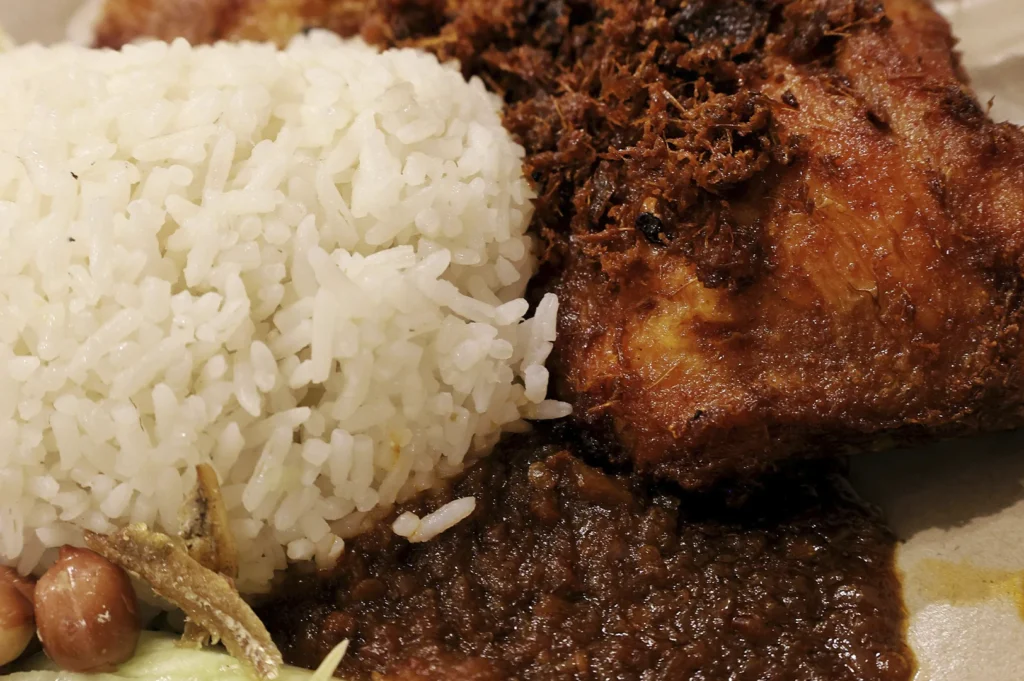
Nasi lemak is a beloved Malay dish widely enjoyed in Singapore. It consists of coconut milk-infused fragrant rice served with crispy fried anchovies, crushed peanuts, rice cakes, and a sweet-spicy sambal chili sauce. Popular accompaniments include fried chicken, beef rendang, and fried tofu, making it a hearty and satisfying dinner choice.
Chili Crab and Black Pepper Crabs: Singapore’s Iconic Seafood Experience
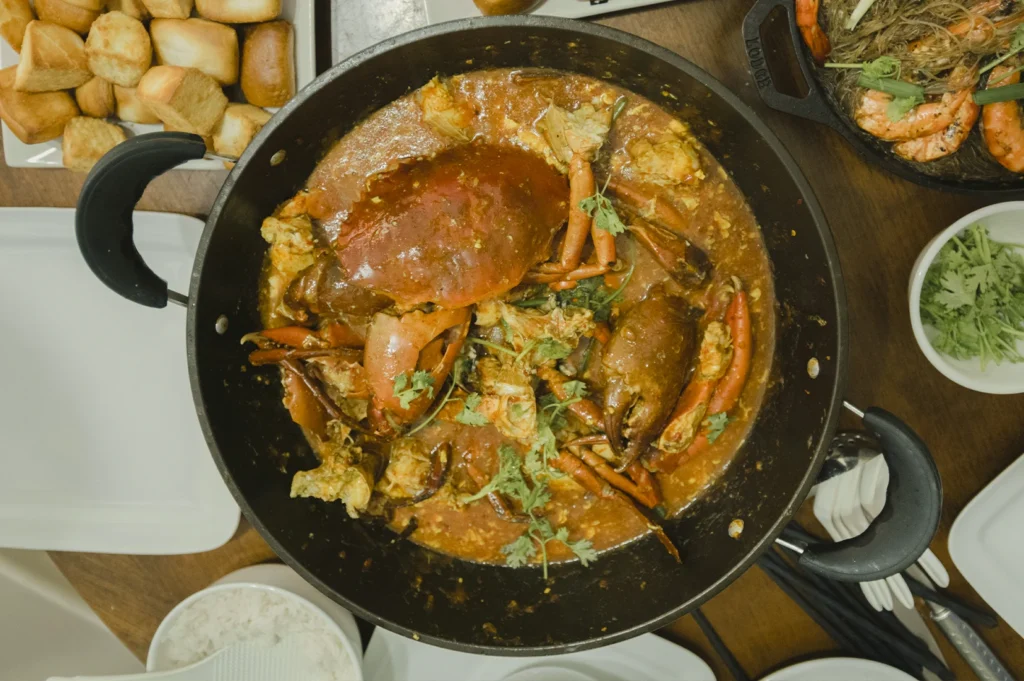
Chili crab is one of Singapore’s most famous dishes, often found in fresh seafood restaurants in Singapore rather than hawker stalls. Crabs, typically mud crabs, are cooked in a thick, sweet, and tangy tomato paste-based chili sauce with a thick sauce that is messy but incredibly delicious food.
Order a basket of deep-fried mantou buns to mop up the flavorful rice and thick sauce. Black pepper crabs are another popular dish, offering a peppery alternative to chili crab, made with a blend of black pepper and beef fat for richness.
Char Kway Teow and Carrot Cake: Stir Fried Noodle Dish and Savory Snack
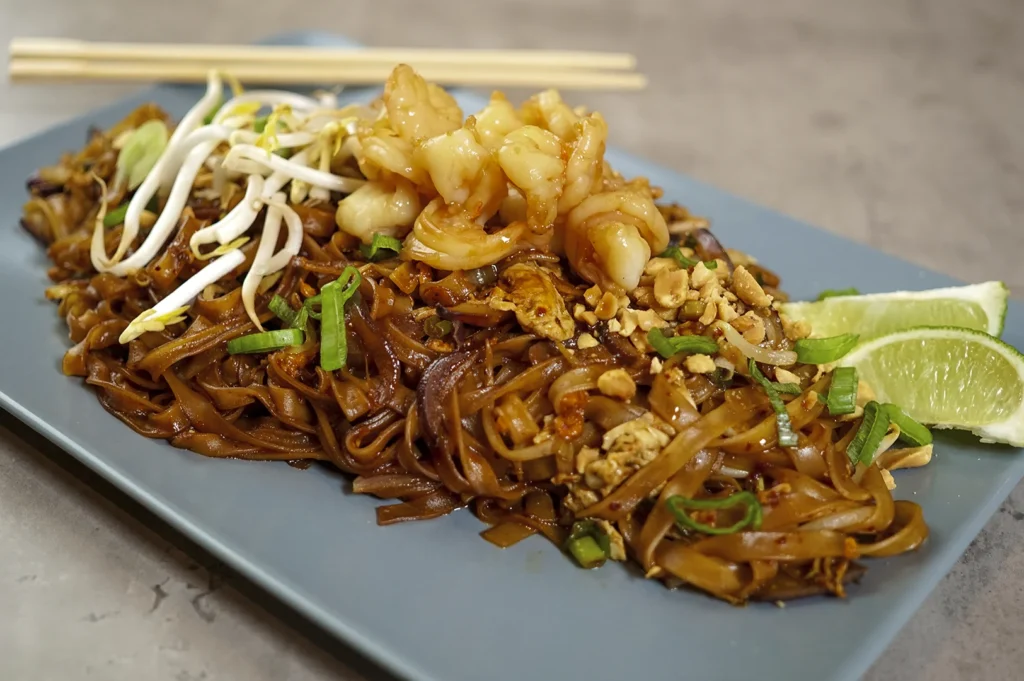
Char kway teow is a popular stir fried noodle dish made with flat rice noodles, Chinese sausage, cockles, and egg noodles, all tossed with dark soy sauce and chili sauce to create that smoky wok hei flavor.
Pair it with carrot cake, a savory fried radish rice cake cooked with pork lard, eggs, and preserved radish. You can choose between the “white” version (crispy and savory) or the “black” version (coated in dark soy sauce). Both are incredibly tasty and popular dishes at hawker stalls.
Oyster Omelette: A Late-Night Delight
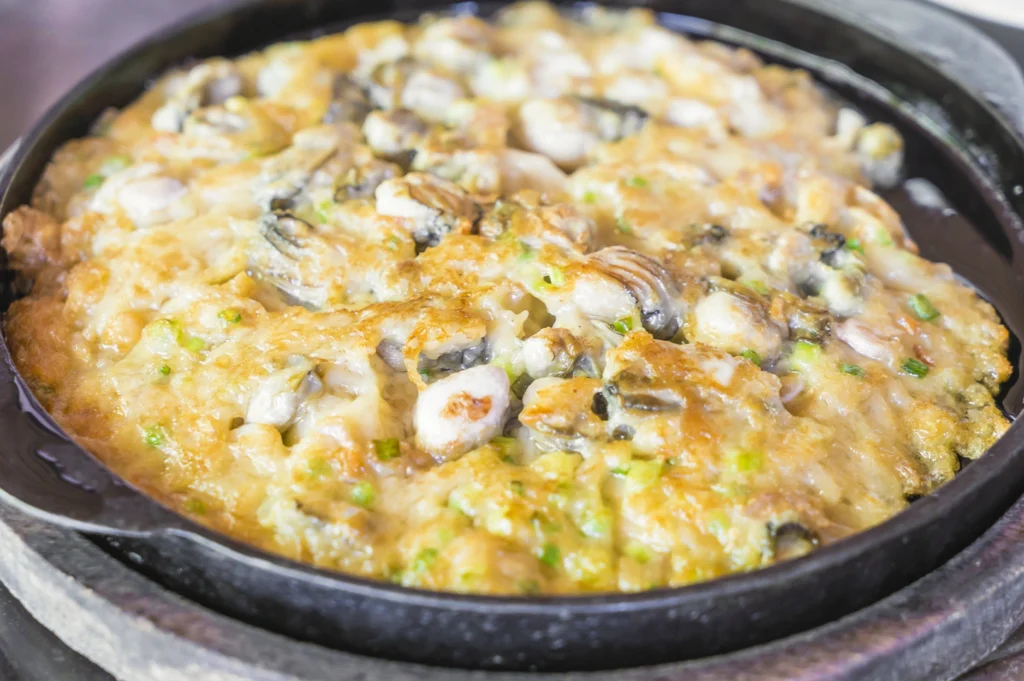
For a late-night thrill, hunt down an oyster omelette stall. A good version features a crispy, starchy egg batter folded around plump, briny oysters, served alongside a sharp, tangy chili sauce. It is greasy, savory, and perfect with a cold beer.
Peranakan Food and Other Small Plates
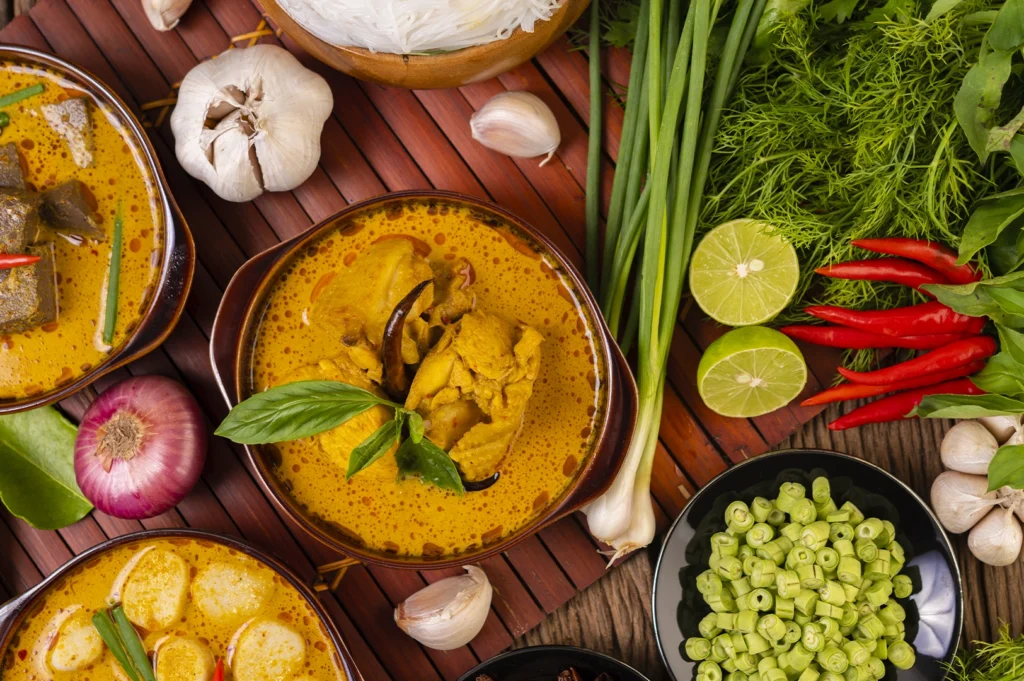
For those seeking Peranakan food, Singapore offers great restaurants that celebrate this unique cuisine blending Chinese origins with Malay dishes. Many Peranakan dishes are aromatic, often featuring ingredients like lime juice, ginger flower, and palm sugar, served in a la carte menus or tasting menus with a variety of small plates perfect for sharing.
Kaya Toast: The Unconventional Evening Snack
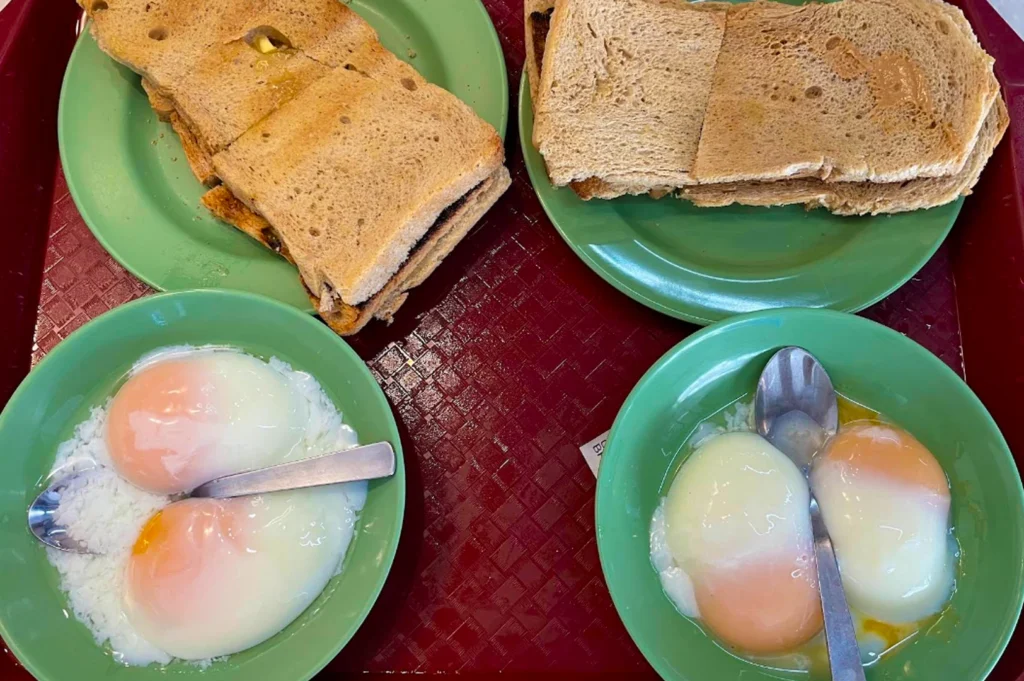
Kaya toast, typically served for breakfast, is toast slathered with coconut milk, palm sugar, and eggs jam, often served alongside soft boiled eggs and coffee. Ya Kun Kaya Toast and traditional coffee shops are the best places to try this popular Singaporean food. Some coffee shops stay open late, making kaya toast a fantastic and quiet way to end your dinner night.
Pro Tips for Maximizing Your Dinner Experience
To really nail your dinner Singapore experience, you need to understand a few local logistics.
- Master the “Chope“: If you are at a hawker centre, you will see packets of tissue paper left on empty tables. This is called “choping,” and it means the table is reserved. Do not move the tissues. Bring your own packet, claim a table first, and then go join the queues for food.
- Timing is Everything: The best time to visit hawker centres for dinner is around 6:00 PM to 6:30 PM. If you wait until 8:00 PM, the most popular stalls will be sold out, and you will be left with the scraps.
- Embrace Family Style: If you are dining with friends at casual eateries, order dishes to share. It is the best way to taste a little bit of everything.
Pro Tip: Bring cash and download a local e-payment app. While high-end places take cards, many older street food vendors only accept cash or local QR code payments.
Common Mistakes to Avoid When Choosing Dinner Places Singapore
Assuming Tipping is Expected: Tipping is not expected. A 10% service charge is already included in your bill at most sit-down restaurants. At food courts, you never tip.
Overpacking Your Schedule: Pick a neighbourhood and stick to it for the evening. If you eat in Tanjong Pagar, find a wine bar or great restaurant nearby.
Ignoring the Weather: Always have a backup indoor plan for outdoor dining, especially during Singapore’s tropical rainstorms.
In a Nutshell
Deciding where to eat for dinner tonight doesn’t have to be a stressful chore. Singapore is a city that rewards the curious and the slightly prepared. Whether you are elbow-to-elbow with locals eating a plate of spicy noodles or sipping vintage wine overlooking the city skyline, the key is to be intentional about what you want.
Don’t be afraid to ask locals for their favourites, be willing to sweat a little for delicious food, and always leave room for dessert. The dining scene here is constantly evolving, beautifully layered, and incredibly tasty. Get out there, join a queue, and enjoy your dinner.