
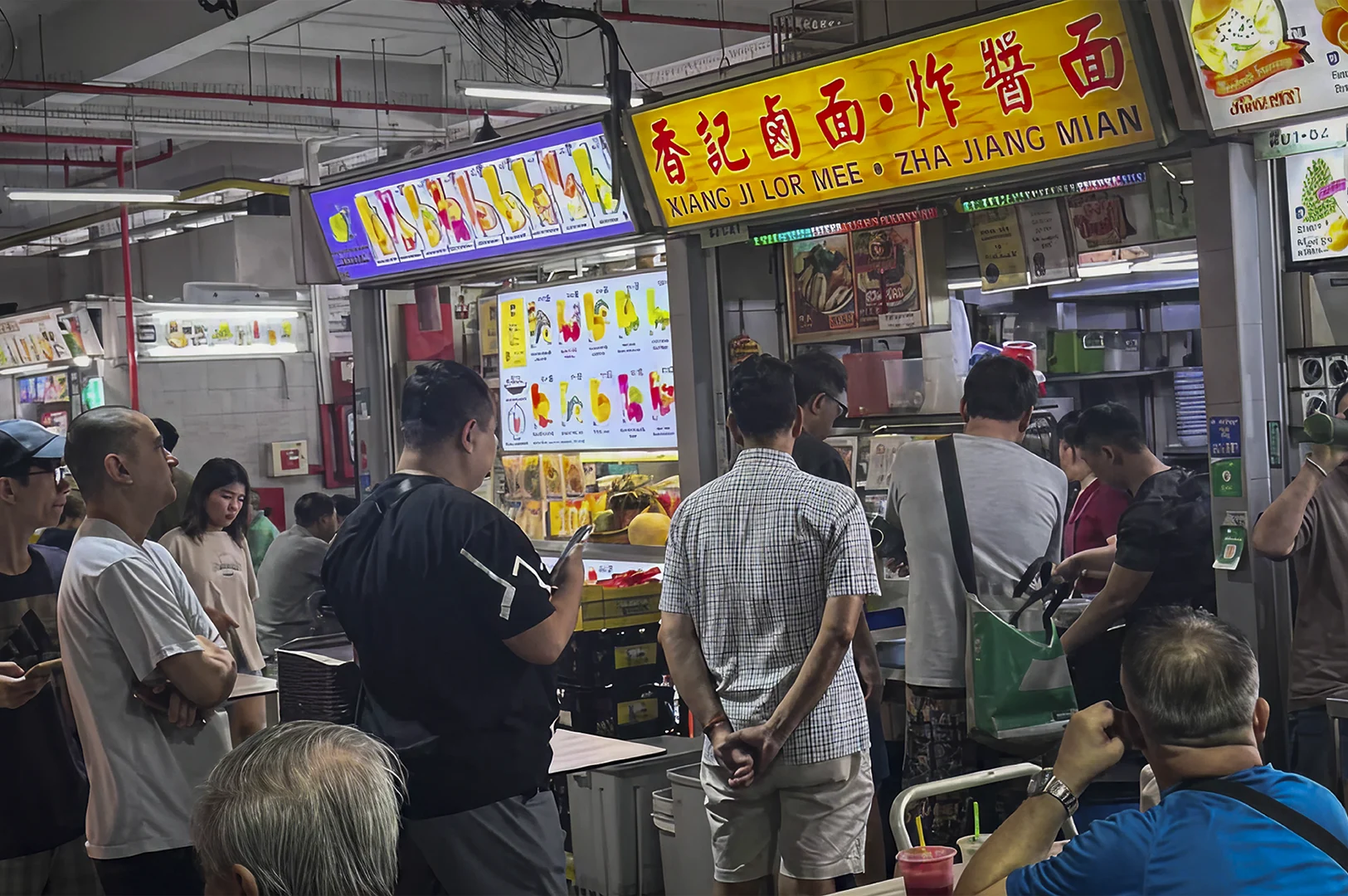
Singapore occupies a distinctive position on the global culinary map as a destination where you can experience everything from a must try restaurant in Singapore at Marina Bay Sands to expertly prepared street food at establishments like Maxwell Food Centre. Here, appreciating a modest $4 hainanese chicken rice—featuring aromatic rice cooked in chicken fat, soft boiled eggs, pureed ginger, and dark soy sauce at a hawker centre—commands the same culinary respect as experiencing a precision-crafted tasting menu at a Michelin-starred Singapore restaurant.
A Melting Pot of Flavors and Culinary Traditions
In this melting pot, Singapore’s culinary scene blends spring onions-topped egg noodles, classic Chinese dishes like char siu, and expertly prepared pork belly and roasted meats with celebrated noodle dishes featuring rice noodles and minced pork. Meals are typically served with balanced condiments such as chili sauce, chilli sauce, and lime juice, alongside complementary elements like fried tofu. This diverse cuisine is showcased in venues ranging from vibrant hawker centres—cultural institutions in their own right—to refined tasting menus that highlight fine dining craftsmanship.
Singaporean cuisine is renowned for its authenticity and variety, offering everything from fried chicken and roast duck to peranakan food and fish head curry, all available in traditional coffee shops and modern restaurants. Whether dining at humble hawker stalls or upscale establishments, locals and visitors alike can indulge in flavorful dishes that appeal to all palates, embodying the city’s rich food culture that welcomes everyone, from casual diners to the crazy rich Asians.
Decoding Singapore’s Dining Categories: From Hawker Stalls to Chicken Rice Icons
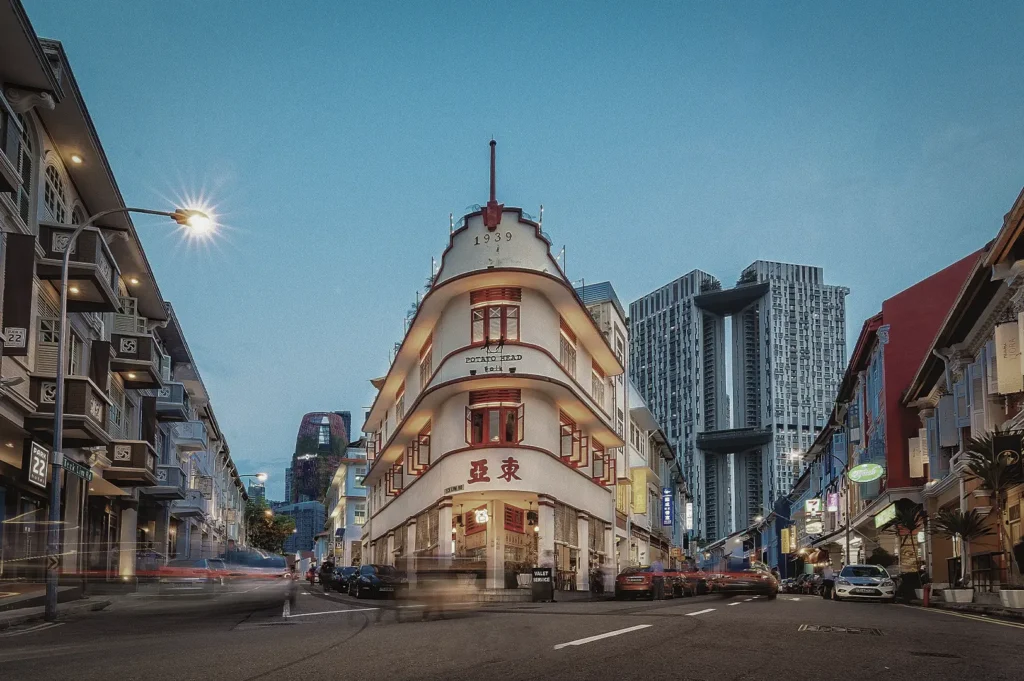
To properly evaluate the local cuisine, one must first understand the distinct venues where it is executed. The spectrum of Singapore restaurant types is comprehensive, each offering a specific experience, price structure, and established cultural protocols.
Hawker Centers & Coffee Shops (Kopitiams): Eat in Singapore’s Local Food Centres
These represent the foundation of Singaporean dining culture. Hawker centers are open-air complexes housing dozens of specialized stalls, while kopitiams are smaller, typically non-air-conditioned establishments usually positioned beneath public housing blocks.
Historically, these venues emerged to organize street hawkers in the 1960s, providing them with sanitary facilities and regulated operations. Today, they function as UNESCO-recognized cultural institutions. Notable examples include Maxwell Food Centre and Fortune Centre Singapore, both celebrated for their vibrant atmosphere and diverse food offerings.
- Typical Price: $3 – $8 per dish.
- Atmosphere: Dynamic, energetic, humid, and communal.
- Operating Hours: Variable, though many commence operations early (6 AM) for breakfast service and continue late (10 PM or later).
Casual Dining Restaurants
Entering air-conditioned spaces typically signals the transition to casual dining. This category encompasses everything from family-oriented Chinese restaurants and contemporary cafes to bistro concepts.
- Typical Price: $15 – $40 per person.
- Atmosphere: Controlled, service-oriented, and relaxed.
- Booking: Advisable for weekend service, though weekday walk-ins are often accommodated.
Fine Dining Establishments & Food Centre Experiences
Singapore demonstrates exceptional capability in luxury dining. These venues deliver professional service standards, premium ingredients, and often commanding views or heritage settings.
- Typical Price: $80 – $300+ per person.
- Atmosphere: Sophisticated, refined, and exclusive.
- Protocol: Dress codes (smart casual or formal) are consistently enforced. Reservations are essential, often requiring weeks of advance planning.
Hybrid Concepts & Fish Head Curry Innovations
An emerging category of “Mod-Sin” (Modern Singaporean) cuisine has challenged traditional classifications. You might encounter a hawker-style noodle dish elevated with premium ingredients like lobster or wagyu beef in a contemporary, industrial setting. These hybrid venues preserve the essence of street food while providing restaurant-level comfort and service.
The Award Systems: What They Mean for Diners & the Best Hawker Stalls
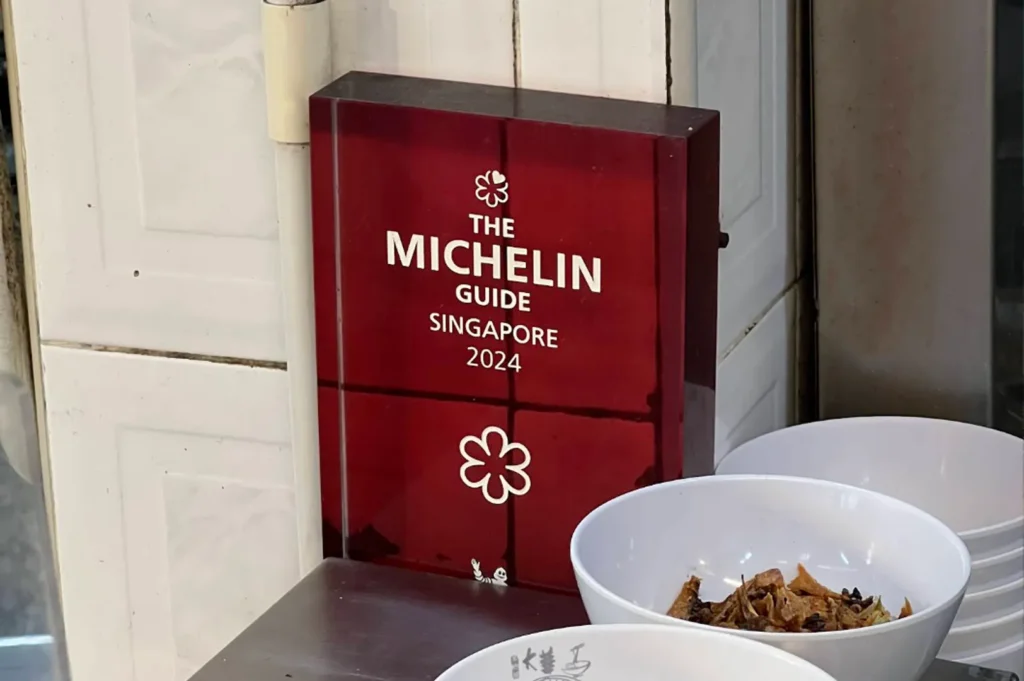
In a city where food culture is paramount, recognition systems carry significant weight. However, interpreting the various accolades displayed at restaurant entrances requires understanding. These awards help establish appropriate expectations regarding both price and experience quality.
The Michelin Guide Singapore
The most established global standard for culinary evaluation.
- Michelin Stars (1-3): Awarded for exceptional food quality and technical execution. While traditionally associated with fine dining establishments, Singapore notably features hawker stalls that have earned this distinguished recognition, demonstrating that culinary excellence transcends formal dining environments.
- Bib Gourmand: This category proves particularly valuable for practical diners. It identifies establishments delivering “superior quality, exceptional value cooking.” In Singapore, this designation frequently highlights the finest hawker stalls and casual eateries where meals cost under $45.
Asia’s 50 Best Restaurants
This evaluation tends to emphasize innovation, chef reputation, and comprehensive dining experiences rather than solely food quality. Restaurants on this list often function as trendsetters and destination dining establishments.
Local Awards
Consider local recognition such as the “Singapore Hawker Masters” or various “Best of” designations from established local publications. These often spotlight heritage establishments that international guides might overlook.
Remember, while awards provide useful guidance, exceptional food exists throughout Singapore. Some of the most memorable meals emerge from unrecognized corner establishments recommended by taxi drivers or local residents.
Mastery of Traditional and Contemporary Singaporean Dishes
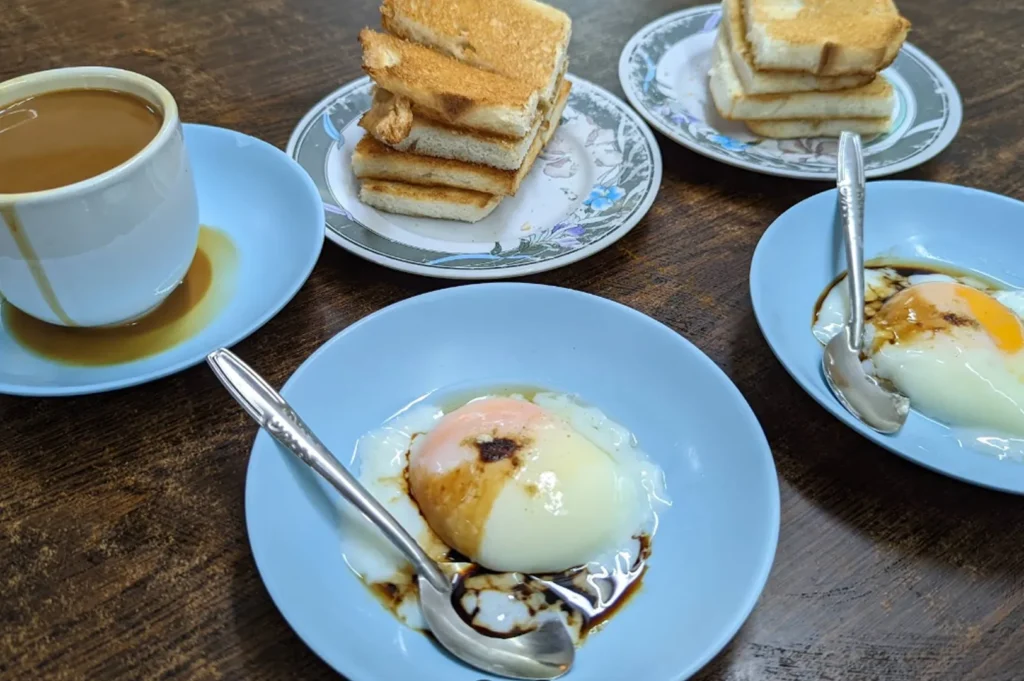
This island nation demonstrates mastery across its comprehensive repertoire of zi char dishes, bak kut teh pork ribs soup, signature chilli crab and white pepper crab, peranakan food, savory carrot cake, chewy rice cakes, and fish cake. These dishes are expertly prepared at numerous food centres and established eating houses like Tong Ah Eating House. Whether your palate seeks fried chicken, roast duck, roast meats, fish head curry, or a breakfast of traditional kaya toast paired with condensed milk-laced coffee shop kopi, Singapore’s food scene offers a sophisticated fusion of traditional hawker stalls, contemporary Chinese restaurants, and chef-driven establishments.
This diverse culinary landscape defines what makes dining here exceptional and accessible to all. Regardless of whether you belong to the crazy rich Asians, you can indulge in the city’s remarkable and democratic food offerings that excite the taste buds and showcase Singaporean food at its finest.
Integration of Hawker Centre Specialties and Cosmopolitan Influences
This deliberate integration of hawker centre specialties like oyster omelette with bean sprouts, char kway teow with bean sprouts and pork lard, roti prata with curry dipping sauce, and exemplary hawker stalls for nasi lemak prepared with aromatic basmati rice or glutinous rice with coconut milk, alongside cosmopolitan influences from roti canai, beef rendang, or black pepper crab, establishes a food culture where culinary excellence is universally accessible, drawing both locals and travelers to queensway shopping centre, the established ya kun kaya toast shops, or refined establishments overlooking Marina Bay Sands.
Budget Planning: Singapore Dining Economics & Chili Crab Choices

One of the most practical questions travelers pose concerns how much to budget for food in Singapore. The answer depends entirely on your dining approach, as the city accommodates both budget-conscious travelers and luxury seekers.
Daily Budget Scenarios
- The Budget Traveler ($20 – $30 SGD/day): You can dine exceptionally well within this range by focusing primarily on hawker centers. A typical day might include Kaya Toast and coffee for breakfast ($3), Chicken Rice for lunch ($5), and a substantial bowl of Laksa for dinner ($6), with sufficient funds remaining for beverages and snacks.
- The Mid-Range Explorer ($50 – $80 SGD/day): This allows for combining hawker meals with casual restaurant experiences. You might enjoy a hawker breakfast, a cafe lunch ($20), and dinner at a mid-range establishment or a “zi char” (home-style Chinese dishes) seafood meal ($30-$40).
- The Luxury Diner ($150+ SGD/day): This budget accommodates fine dining lunches, craft cocktails at rooftop bars, and comprehensive degustation dinners.
Dining in Singapore Cost Factors & Carrot Cake Considerations
When planning, account for the “+ +” system. In most restaurants (excluding hawker stalls), menu prices are subject to a 10% service charge and the prevailing Goods and Services Tax (GST). A $20 dish will actually cost approximately $24 on the final bill. Tipping is neither mandatory nor expected in Singapore, as the service charge addresses this, though leaving small change is appreciated.
Cost management strategy: Alcohol carries heavy taxation in Singapore. A pint of beer can cost $15-$20 in a bar. To reduce expenses without compromising enjoyment, consume beer at hawker centers where prices are substantially lower.
Booking Strategies & Timing Considerations for the Best Singapore Restaurants
Understanding the best time to eat in Singapore can prevent lengthy queues and disappointment. The dining culture here operates efficiently and rapidly, but crowd management requires strategic timing.
Hawker Centers: Avoid the concentrated lunch period from 12:00 PM to 1:30 PM when office workers arrive en masse. The optimal window for relaxed hawker dining typically occurs at 11:00 AM or after 2:00 PM. For popular stalls, early arrival is critical; many exhaust their signature dishes by lunchtime.
Casual & Fine Dining:
- Reservations: For fine dining establishments, secure bookings at least 2-4 weeks in advance, particularly for weekend slots. Popular casual venues also require advance booking for Friday and Saturday dinner service.
- Walk-ins: Weekdays (Monday-Wednesday) offer the best opportunities for accessing popular restaurants without reservations.
- Public Holidays: During major holidays like Chinese New Year, many Chinese restaurants and hawker stalls may close for several days, while other venues may offer special (and premium-priced) holiday set menus.
Dietary Considerations in Singapore & Char Kway Teow Choices
Singapore’s multicultural foundation makes it generally accommodating to various dietary requirements, though navigating hawker center vs restaurant Singapore options requires specific knowledge.
- Halal: With a substantial Malay Muslim population, Halal food is extensively available. Most hawker centers feature dedicated Halal certified stalls, and major fast-food chains maintain Halal certification. Look for the official MUIS Halal certification certificate displayed at each stall.
- Vegetarian & Vegan: Indian vegetarian cuisine is abundant and authentic in Little India and many hawker centers. Chinese vegetarian stalls (often featuring mock meat preparations) are also common. However, vegans should exercise caution with local vegetable dishes, which frequently incorporate shrimp paste (belacan) or oyster sauce. Always verify ingredients to confirm suitability.
- Allergies: In fine dining and contemporary restaurants, staff receive comprehensive allergy protocol training. In hawker settings, language barriers and cross-contamination present potential risks. It is advisable to have your allergy requirements documented in both English and Mandarin if possible, or select venues where you can directly observe the preparation process.
The Technology Factor: Apps & Platforms & Black Pepper Crab Digital Dining
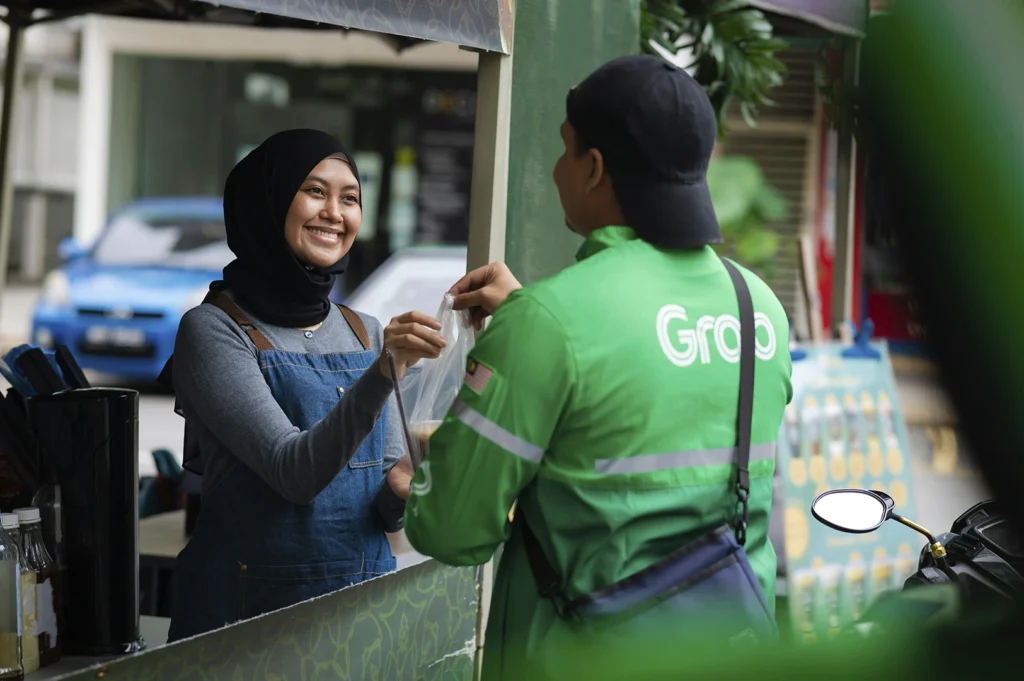
Technology has streamlined the dining experience significantly. While cash remains prevalent at many traditional hawker stalls, digital integration continues rapidly.
- Reservations: Applications like Chope and QuaNtuM (and Google Reserve) are standard for restaurant bookings. They frequently offer off-peak pricing incentives.
- Delivery: GrabFood and Foodpanda dominate the delivery market, ideal for enjoying local specialties in your hotel room.
- Payment: “Cashless” operations are increasingly standard. Even many hawker stalls now accept digital payments via QR codes (PayNow, GrabPay). However, for tourists, carrying cash remains the most reliable approach for street food, while credit cards are universally accepted in restaurants.
Conclusion & Bak Kut Teh Reflections
From the dynamic, flavorful energy of a hawker center to the refined precision of a Michelin-starred dining room, Singapore offers a culinary spectrum unmatched elsewhere. Understanding the structure of this landscape—the pricing, the protocols, and the timing—empowers you to transcend tourist dining and engage like an informed local.
Whether you are pursuing the hidden culinary gems behind the famous names or planning to experience the best Singaporean restaurants, understanding how the system operates ensures every meal achieves success. Utilize our website as your comprehensive planning resource, and allow your culinary curiosity to guide you through this extraordinary food capital.
For those intrigued by exclusive dining experiences, don’t miss our detailed article: I Tried to Book Sushi Masa by Ki-setsu for Three Weeks. Here’s What I Learned About Why It’s Nearly Impossible. Learn more about the challenges and insights behind securing a coveted seat at this renowned Japanese omakase restaurant in Singapore.