
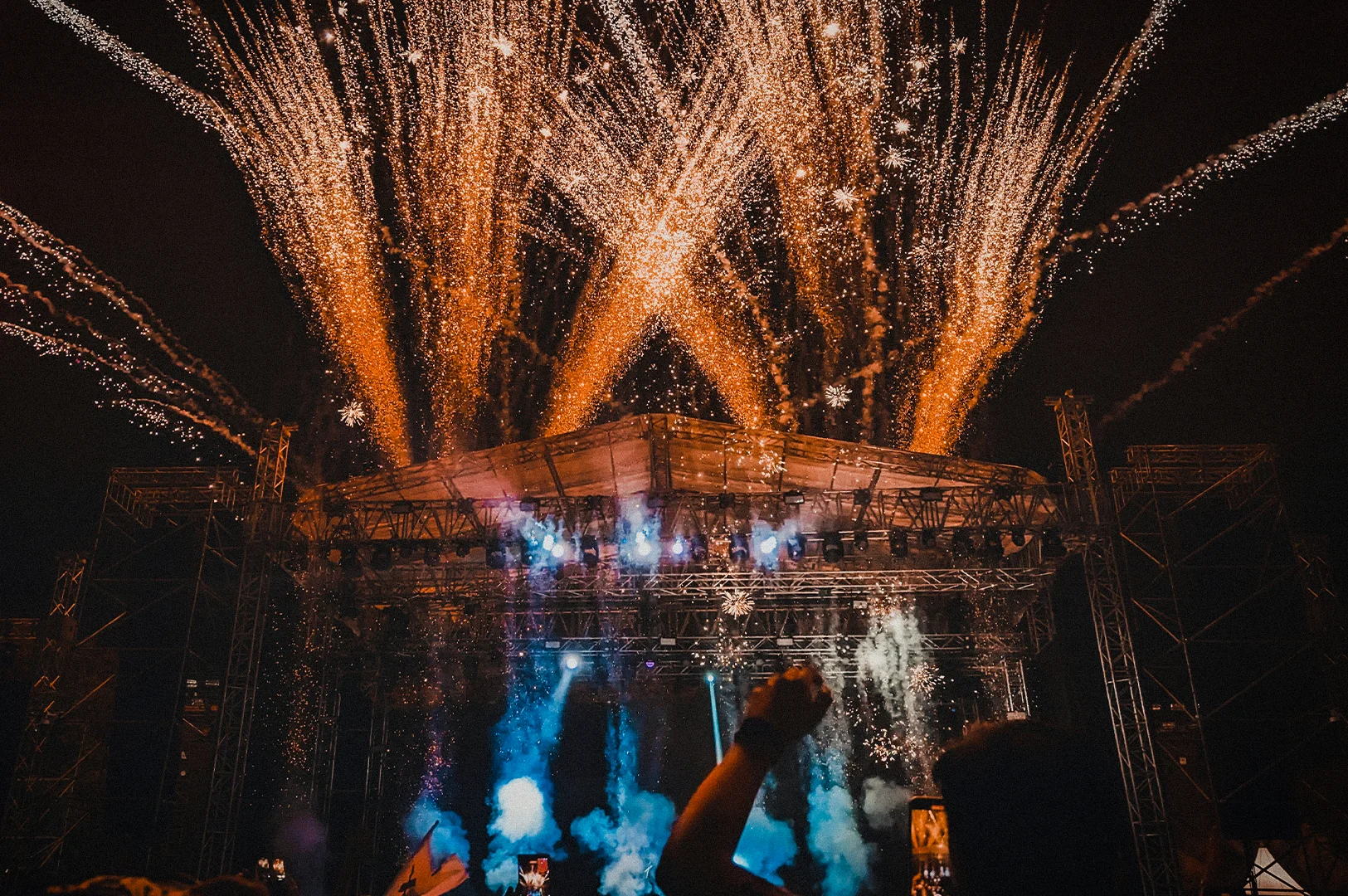
The concert technically ends when the lights come on.
But in Singapore, that is rarely when the night actually finishes.
If anything, the real experience often begins after everyone leaves the venue.
There is a strange emotional energy that follows concerts here. Thousands of people slowly spilling out into the night carrying the same adrenaline. Voices already gone. Feet aching. Phones at 12 percent battery. Nobody fully ready to return to normal life yet.
So instead, everyone drifts somewhere else first.
Sometimes it is supper at Old Airport Road. Sometimes it is McDonald’s because every café has already closed. Sometimes it is sitting on the pavement outside Kallang MRT replaying blurry concert videos while pretending they somehow captured the moment perfectly.
And honestly, those post-concert hours often become the part people remember most.
I once left a concert completely exhausted and somehow ended up at a 24-hour prata shop at 1am with friends discussing the setlist like we were analysing a football match. Which song should have opened. Which encore surprised us. Whether the artist looked emotional during the final song.
At the next table, another group was having the exact same conversation.
That is the thing about concert nights in Singapore. They create temporary communities everywhere.
You notice it especially after international acts perform. Entire MRT cabins filled with fans quietly scrolling through clips while still wearing concert merchandise. Strangers complimenting each other’s photocards or outfits. Someone softly singing the chorus again while waiting for the train.
The city feels softer after concerts.
Even Marina Bay changes slightly on these nights. The skyline still looks polished and expensive, but suddenly there are groups sitting near the waterfront emotionally decompressing after hearing songs tied to breakups, university memories, or difficult years.
Music does that.
It turns ordinary locations into emotional landmarks.
That emotional release is especially noticeable here because Singapore life can feel heavily structured.
Concerts create rare moments where people allow themselves to become visibly emotional in public. Crying during a final song. Hugging friends after an encore. Standing silently during slower tracks while surrounded by strangers doing the same thing.
Then afterward, nobody wants to let the feeling disappear immediately.
So the night stretches longer.
You start seeing concert crowds in places they normally would not overlap. Lau Pa Sat. 7-Eleven queues. Rooftop bars. Late-night cafés in town. Everyone still carrying fragments of the same experience.
There is also something comforting about how Singapore handles these nights logistically.
The extended MRT timings during major concerts. Staff directing massive crowds calmly. Convenience stores preparing for sudden floods of customers. The city quietly adapting itself around live events.
It makes concerts feel integrated into urban life rather than disruptive to it.
And over time, these routines become personal traditions.
Some people always book the next day off work. Some always buy merch before the show starts. Some always end the night with supper no matter how late it gets.
Eventually, the concert becomes bigger than the artist performing.
It becomes attached to friendships, routines, relationships, and moments in your own life.
Years later, you may forget the exact setlist.
But you will probably remember standing outside the venue with thousands of exhausted strangers, all smiling for no reason at all.
And somehow, that memory stays longer than the encore itself.
For more unforgettable nightlife experiences in the city, read: When The Lights Drop: Marquee Singapore Marina Bay Sands