
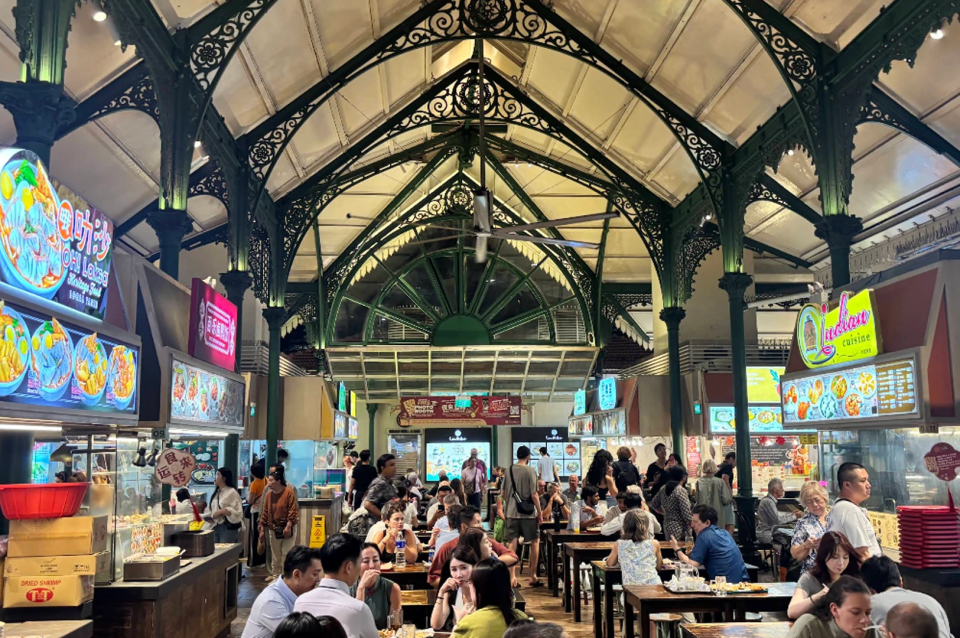
One Dish, Many Years
Walk through any hawker centre in Singapore and you will notice something interesting.
Many stalls do not have long menus. Some offer only two or three items. Others focus on a single dish that has remained unchanged for decades.
A stall might serve only chicken rice. Another sells just one type of noodle soup. A third prepares the same plate of char kway teow day after day.
In most modern restaurants, variety is often seen as a strength. But in Singapore’s hawker culture, the opposite can sometimes be true.
Here, doing one thing extremely well can define a stall’s reputation for generations.
The Power of Repetition
Behind many of these stalls is a simple idea. Mastery comes from repetition.
When a hawker cooks the same dish every day for twenty or thirty years, every small step becomes refined through experience. The heat of the wok, the timing of the sauce, the balance of seasoning. Each detail improves through constant practice.
Over time, the dish becomes consistent in a way that is difficult to replicate.
Customers return not for novelty but for familiarity. They know exactly what the dish should taste like. And the stall delivers that same experience again and again.
In a food culture built around reliability, this consistency carries real value.
Efficiency Behind the Counter
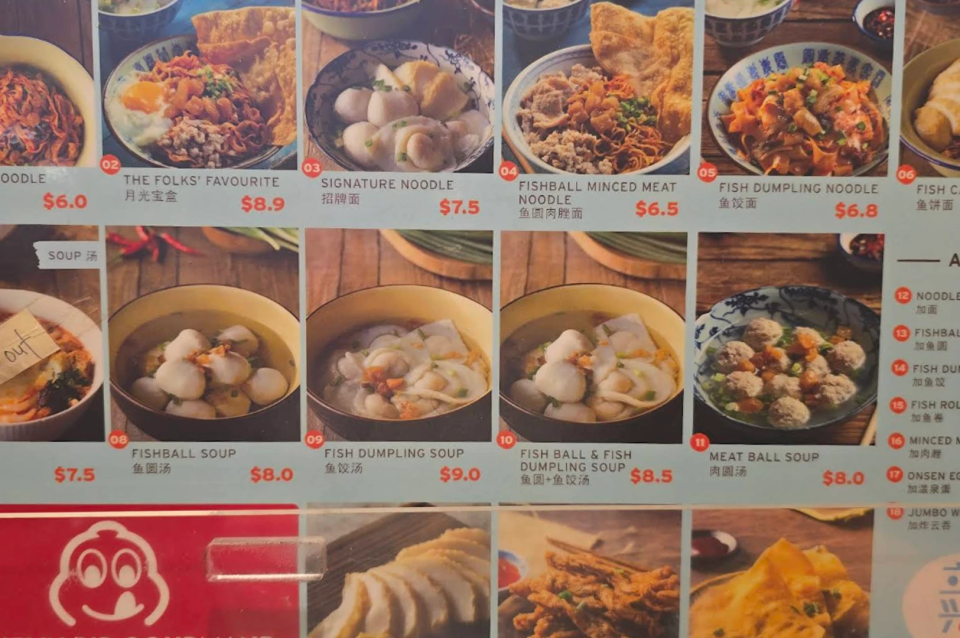
There is also a practical reason why many stalls keep their menus small.
Running a hawker stall is demanding. Long hours begin early in the morning and often continue until late afternoon. Preparation, cooking, and serving must all happen within a limited space.
A focused menu makes the work manageable.
With fewer dishes to prepare, hawkers can concentrate on perfecting their core recipe. Ingredients are easier to manage. Cooking processes become streamlined. Service moves faster during peak hours.
For customers, this efficiency often translates into shorter waiting times and more reliable quality.
Tradition That Is Hard to Replace
Some stalls keep the same menu not because they resist change, but because their dishes carry a sense of tradition.
Recipes are sometimes passed down through families, refined over decades by parents and grandparents who built the stall’s reputation.
Altering the dish too much can feel like losing a piece of that history.
Customers often recognise this connection. They may have eaten the same dish since childhood, returning to the stall across different stages of their lives.
When the recipe remains unchanged, the experience feels familiar. It becomes part of the neighbourhood’s routine.
Why Diners Still Appreciate It
Singapore’s food scene has become more diverse over the years. Cafes, restaurants, and modern hawker concepts continue to appear across the island.
Yet stalls with simple menus still attract loyal customers.
Part of the appeal lies in trust. A stall that focuses on one dish signals confidence. It suggests that the hawker has spent years refining that particular recipe.
Diners often respect that dedication.
Instead of trying many things at once, the stall chooses to do one thing properly.
In a city filled with new food trends and constant experimentation, this focus can feel refreshing.
The Quiet Discipline of Simplicity
At first glance, a stall with only one dish might appear limited.
But behind that simplicity lies discipline.
The hawker commits to repeating the same process every day. Ingredients must be prepared with care. Cooking must remain precise. Even small changes in technique can affect the final result.
Maintaining that level of consistency for years requires patience and dedication.
It is not flashy. It does not rely on constant reinvention.
But for many diners in Singapore, that quiet commitment to doing one dish well continues to matter.