
Singapore defies easy categorization—where else can you swim in the world’s highest infinity pool, then grab a $3 bowl of Michelin-starred noodles from a hawker stall? As your local Singapore insiders at EatPlayStay, we’ve spent years uncovering both the iconic must-sees and hidden local gems that make the Lion City extraordinary, including its reputation for offering some of the best food in Asia.
Whether you’re visiting Singapore for the first time or you’re a local seeking fresh adventures, this comprehensive guide reveals 25 amazing experiences that showcase why Singapore consistently ranks among the world’s top destinations. From futuristic architecture and lush tropical gardens to vibrant cultural neighborhoods, legendary street food, and even the world-class attractions at Singapore airport, we’ll help you plan the perfect Singapore itinerary that goes beyond typical tourist attractions.
Must-Visit Singapore Attractions
Every Singapore adventure begins with the city’s architectural marvels and world-renowned attractions. These iconic destinations aren’t just tourist magnets—they represent singapore’s vision of blending innovation, sustainability, and cultural heritage.
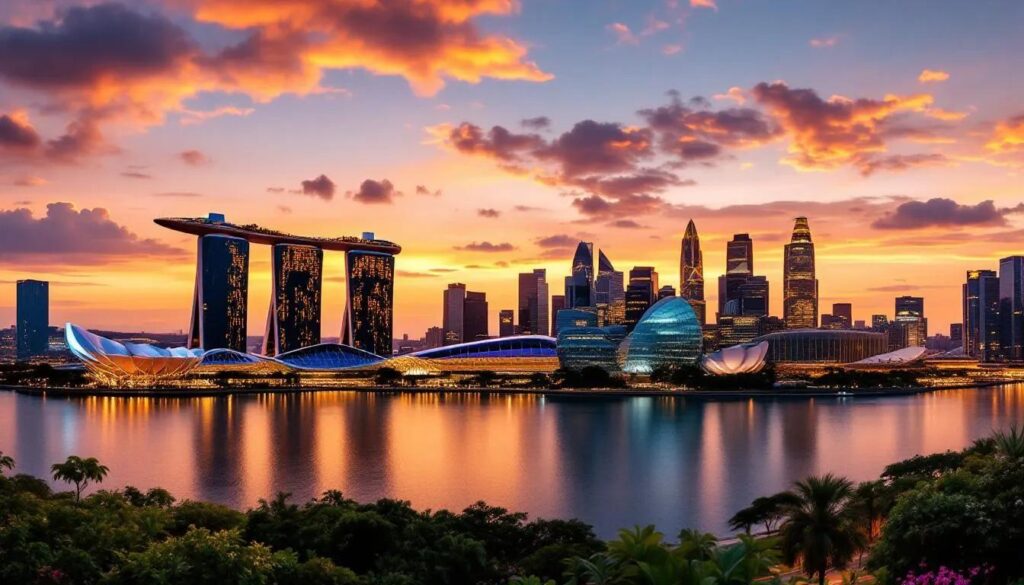
Marina Bay Sands SkyPark Observation Deck offers unparalleled 360-degree views across singapore’s skyline and beyond. Standing 57 floors above sea level, this engineering marvel provides the perfect introduction to modern singapore’s layout and ambition. The infinity pool remains exclusive to hotel guests, but the observation deck welcomes all visitors to experience panoramic vistas stretching from central singapore to the southern ridges.
Gardens by the Bay showcases Singapore as the only tropical garden to seamlessly merge nature with cutting-edge technology. The iconic Supertrees—16-story vertical gardens equipped with solar panels and rainwater collection systems—have become synonymous with singapore’s skyline. Inside the climate-controlled conservatories, the flower dome houses the world’s largest collection of plants from Mediterranean climates, while the cloud forest features the world’s tallest indoor waterfall cascading 35 meters through a misty mountain environment. The world’s tallest indoor waterfall can also be found at Jewel Changi Airport, a highlight of the singapore airport and a must-see for travelers.
Singapore Zoo and Night Safari deliver world-class wildlife experiences that emphasize conservation and natural habitats. The singapore zoo houses over 2,800 animals across open-concept exhibits, while the night safari—the world’s first nocturnal wildlife park—offers intimate encounters with nocturnal animals in their element. These aren’t typical zoo experiences; they’re immersive journeys through carefully designed ecosystems.
Universal Studios Singapore at sentosa island brings Hollywood magic to southeast asia. As the region’s first and only universal studios theme park, it features seven themed zones with 28 rides and attractions, including heart pumping fun on the Battlestar Galactica dueling roller coasters and immersive experiences based on popular franchises.
Merlion Park and the Marina Bay waterfront district provide Singapore’s most photographed backdrop. While the Merlion statue itself takes just minutes to appreciate, the surrounding marina bay area offers hours of exploration, from world-class shopping to the nightly Spectra light and sound show that transforms the waterfront into a multimedia spectacle.
These attractions serve as essential first stops because they establish the context for everything else Singapore offers—a commitment to excellence, innovation, and creating experiences that consistently exceed expectations. Note that some attractions may require an extra cost for entry or special experiences.
Explore Singapore’s Cultural Neighborhoods
Singapore’s true character emerges in its distinct cultural neighborhoods, each preserving unique traditions while embracing contemporary evolution. These heritage enclaves offer authentic glimpses into the multicultural fabric that defines modern singapore, including Kampong Glam (singapore’s muslim quarter).
Chinatown: Temples, Heritage, and Food Culture
Chinatown pulses with energy from dawn to midnight, anchored by the magnificent buddha tooth relic temple where four floors showcase Buddhist art, history, and sacred relics. Nearby, the Thian Hock Keng Temple stands as Singapore’s oldest Chinese temple, renowned for its historical significance and stunning traditional southern Chinese architecture, making it a cultural landmark within Chinatown’s diverse spiritual landscape.
Heritage shophouses now house traditional medicine halls alongside trendy cocktail bars, while maxwell food centre serves some of Singapore’s most celebrated hawker stalls. The area demonstrates how Singapore balances preservation with progress—ancient temples coexist with modern skyscrapers, and traditional trades flourish alongside contemporary businesses.
Little India: Sensory Immersion
Serangoon Road in little india assaults the senses in the most delightful way. Spice markets fill the air with cardamom and turmeric, flower garland vendors create colorful displays, and traditional music spills from shophouses. The sri veeramakaliamman temple showcases intricate South Indian architecture, while the iconic Tekka Centre combines a traditional wet market with exceptional Indian cuisine. This neighborhood offers Singapore’s most authentic cultural immersion, where traditions remain vibrantly alive.
Kampong Glam: Singapore’s Muslim Quarter
Singapore’s muslim quarter centers around the golden-domed Sultan Mosque, but extends through arab street’s carpet shops and perfume stores to the colorful street art of haji lane. This neighborhood perfectly illustrates Singapore’s cultural evolution—traditional Middle Eastern influences blend with contemporary Southeast Asian Muslim culture, creating a unique identity found nowhere else in the region.
Tiong Bahru: Art Deco Meets Hipster Culture
Singapore’s first public housing estate has transformed into a sophisticated blend of art deco architecture, independent bookstores, artisanal coffee shops, and weekend markets. Tiong Bahru represents Singapore’s approach to urban renewal—preserving architectural heritage while encouraging creative communities to flourish.
For the best walking tour experience in each neighborhood, start early morning when temples are most active, locals conduct daily routines, and the heat remains manageable. Use the comprehensive MRT system to connect between districts, with most neighborhoods easily accessible within 15 minutes of each other.
Hidden Neighborhood Gems
Beyond the primary cultural districts, several neighborhoods reveal authentic local singapore life away from tourist crowds.
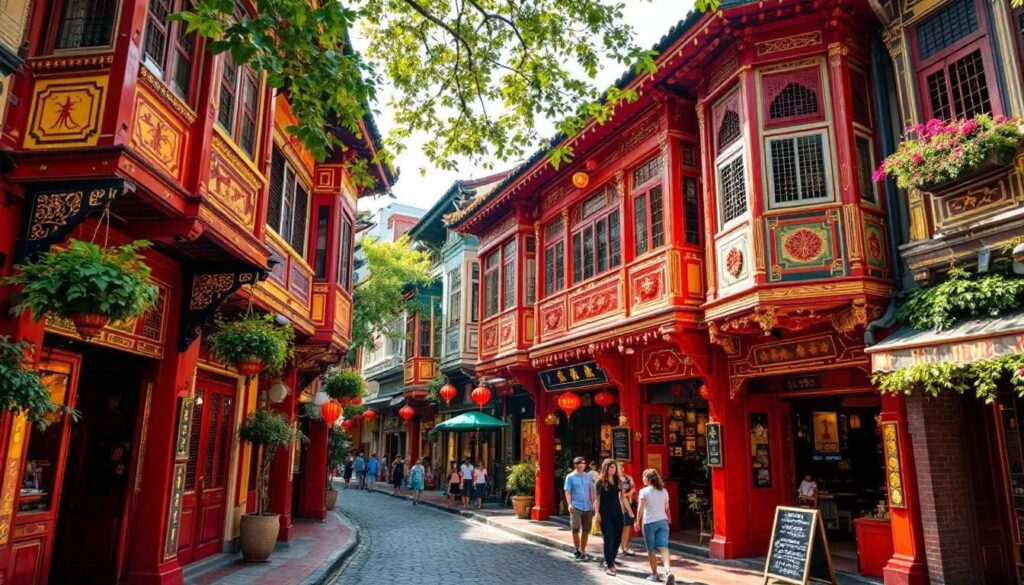
Katong and Joo Chiat preserve peranakan culture through beautifully restored shophouses painted in pastel colors. This area specializes in straits chinese cuisine—the unique fusion of Chinese cooking techniques with Malay ingredients that emerged from centuries of cultural blending. The local food scene here rivals any expensive restaurant, with family-run establishments serving recipes passed down through generations.
Tanjong Pagar has evolved from Singapore’s historic port district into a heritage conservation area where traditional trades operate alongside modern dining establishments. The contrast between restored shophouses and gleaming skyscrapers illustrates Singapore’s development trajectory while maintaining connections to its trading port origins.
Everton Park offers glimpses of old-school singapore through traditional coffee shops (kopitiams) and trades that have operated for decades. This residential heartland demonstrates how everyday singapore life continues beyond the tourist districts, with morning routines, community interactions, and local businesses that have served neighborhoods for generations.
Navigate these areas using the comprehensive public transport system—the MRT connects major neighborhoods, while buses provide access to residential areas. The google maps app works excellently for real-time transport information and walking directions.
Singapore’s Legendary Food Scene
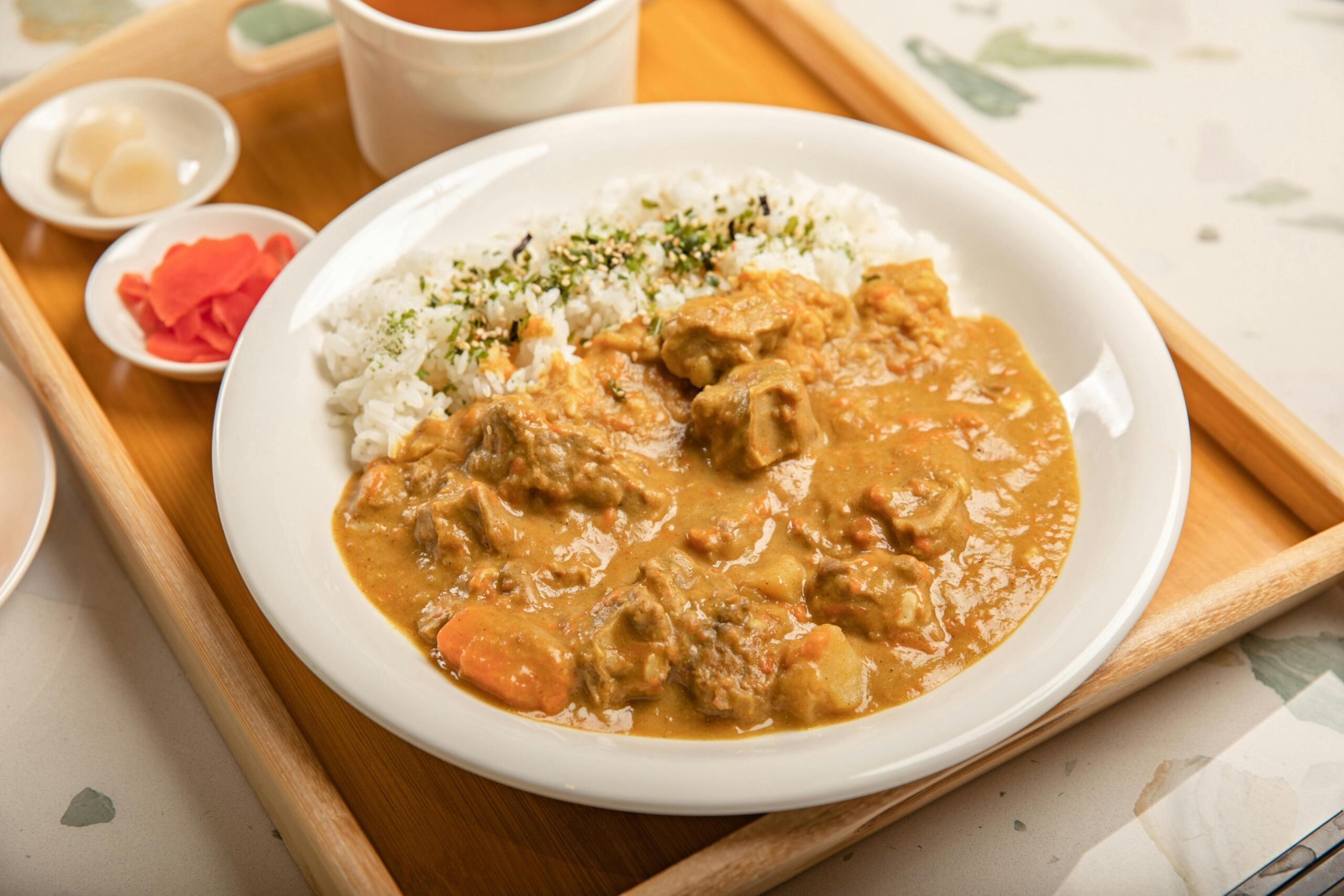
Singapore’s reputation as a food paradise rests on its unique position as a cultural crossroads where Chinese, Malay, Indian, and Western culinary traditions have blended for over 200 years. Good food can be found throughout the city, from bustling markets to quiet neighborhood eateries. The result is a food scene that ranges from $3 hawker stall meals to world-class fine dining, often achieving excellence at every price point. Singapore is also renowned for its great food, especially at hawker centers and local eateries, where visitors can experience the diversity and quality of the local cuisine.
Hawker Centers: Singapore’s Culinary Heart
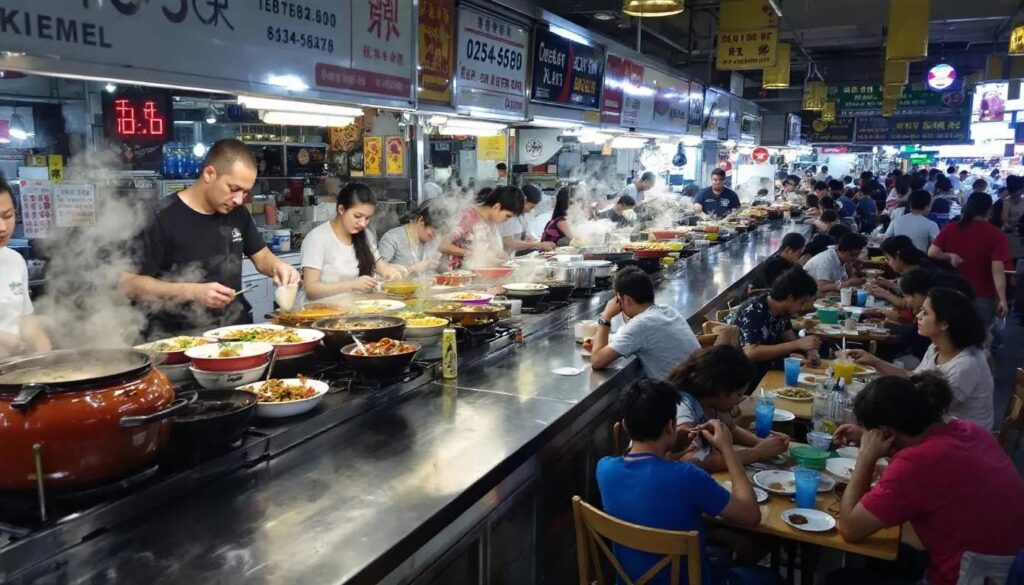
Hawker centres represent Singapore’s most democratic dining experience, where office workers, tourists, and families gather over shared tables to enjoy exceptional food at incredibly affordable prices. These air-conditioned or open-air food courts showcase Singapore’s hawker culture—a unesco intangible cultural heritage that reflects the city’s multicultural identity.
Maxwell Food Centre near chinatown houses legendary stalls including Tian Tian Hainanese Chicken Rice, where a $4 plate delivers tender poached chicken over fragrant rice with accompanying sauces. The surrounding stalls offer char kway teow, laksa, and other Singapore classics in an authentic environment where locals significantly outnumber tourists.
Lau Pa Sat at raffles place combines heritage architecture with exceptional food stalls. This Victorian-era cast-iron market building creates an atmospheric dining experience in the heart of the financial district, particularly magical during evening hours when surrounding skyscrapers illuminate the space.
East Coast Lagoon Food Village provides beachside dining with sea breezes and a relaxed atmosphere perfect for sunset drinks and extended meals. The satay stalls here are particularly renowned, serving grilled meat skewers with peanut sauce while offering views across the east coast park and singapore strait.
Essential dishes to try include hainanese chicken rice (singapore’s unofficial national dish), laksa (spicy coconut curry noodle soup), char kway teow (stir-fried rice noodles), satay (grilled meat skewers), and carrot cake (actually stir-fried radish cake—despite the name).
The traditional kopitiam breakfast experience remains a singapore institution. Order kaya toast (coconut jam on thin toast), soft-boiled eggs, and kopi (local-style coffee with condensed milk) for an authentic start to any singapore day.
Michelin-Starred Street Food
Singapore made international headlines by becoming the first country to award michelin stars to street food vendors, validating what locals already knew—exceptional cuisine exists at every price level.
Hill Street Tai Hwa Pork Noodle at crawford lane serves bowls of minced pork and liver noodles that earned Singapore’s first street food michelin star. The stall operates from early morning until sold out, typically by early afternoon.
Hong Kong Soya Sauce Chicken Rice and Noodle at chinatown complex food centre offers chicken and rice dishes for under $3 that rival expensive restaurant meals. The tender soy sauce chicken with perfectly seasoned rice demonstrates how traditional techniques can achieve extraordinary results.
A Noodle Story at amoy street food centre gained international recognition for ramen that incorporates Japanese techniques with local ingredients, creating unique fusion dishes that represent contemporary singapore cuisine evolution.
For the best experience at these michelin-starred hawker stalls, arrive early (most open by 10 AM), expect queues during peak lunch hours, and be prepared for efficient service where ordering and payment happen quickly. Most visitors find these meals among their most memorable singapore dining experiences.
Food tour options range from self-guided exploration using local recommendations to organized tours that provide cultural context and access to stalls that might otherwise intimidate newcomers. For comprehensive dining recommendations including restaurant reviews and neighborhood food guides, explore EatPlayStay’s detailed EAT section.
Outdoor Adventures and Nature Escapes
Despite its reputation as an urban metropolis, singapore offers extensive green spaces and outdoor activities that showcase its commitment to being a “city in a garden.” The tropical climate makes outdoor exploration enjoyable year-round, with early morning and evening hours providing the most comfortable conditions.
Southern Ridges: Singapore’s Green Corridor
The southern ridges present Singapore’s most spectacular walking experience, connecting multiple parks through elevated walkways that provide panoramic views across the city and southern coastline. The highlight is the henderson waves bridge—a stunning architectural marvel that undulates 36 meters above the ground, offering photographers perfect shots of singapore’s skyline framed by tropical vegetation.
The complete southern ridges walk spans 10 kilometers from mount faber to labrador nature reserve, but most visitors focus on the 4-kilometer section that includes henderson waves bridge, canopy walk, and forest walk. Start at harbourfront MRT station and allow 3-4 hours for a leisurely exploration that includes stops for photography and refreshments.
Singapore Botanic Gardens: UNESCO Heritage
As singapore’s first unesco world heritage site, the singapore botanic gardens showcase 82 hectares of tropical flora including the national orchid garden, which houses the world’s largest collection of tropical orchids with over 1,000 species and 2,000 hybrids. This world’s largest collection highlights the extensive and diverse holdings of tropical orchids found here. The gardens demonstrate Singapore’s botanical research legacy dating back to 1859, when the site served as a testing ground for economic crops that would transform southeast asia.
The gardens offer multiple walking trails, swan lake, heritage trees, and the evolution garden that tells the story of plant evolution over 500 million years. Admission to most areas remains free, making this one of singapore’s most accessible world-class attractions.
East Coast Park: Seaside Recreation
East coast park stretches 15 kilometers along singapore’s southeastern coastline, providing cycling paths, beach volleyball courts, water sports facilities, and some of singapore’s best outdoor food courts. The park connector network links east coast park to the city center and other major parks, enabling cycling routes that span the entire island.
Rent bicycles at multiple locations throughout the park, or bring your own for extended exploration. The park offers both family-friendly flat routes and more challenging paths for serious cyclists. Weekend mornings see thousands of locals engaging in outdoor activities, providing excellent opportunities to observe singapore’s recreational culture.
MacRitchie Reservoir and Nature Trails
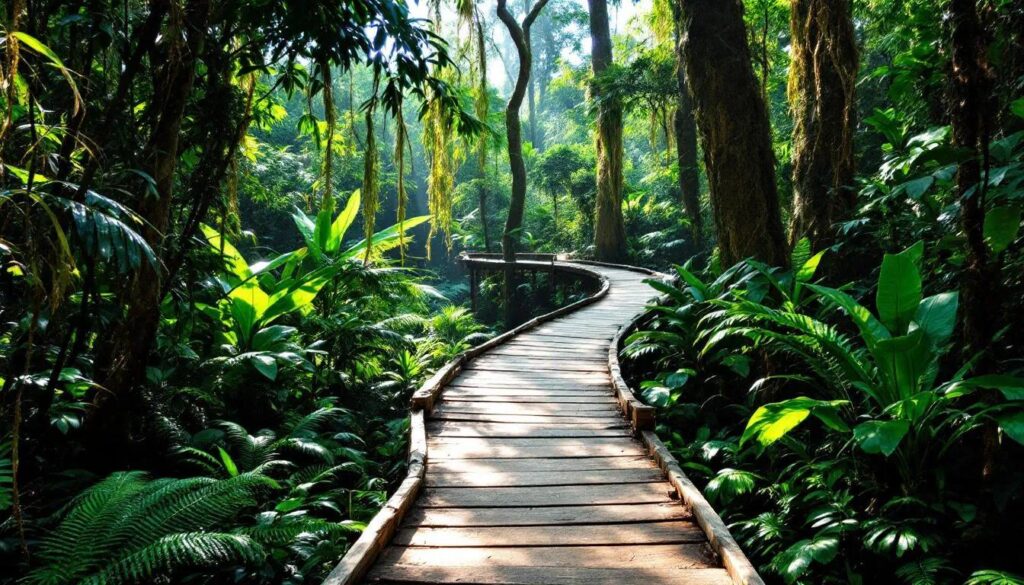
MacRitchie reservoir offers singapore’s most accessible rainforest experience, with boardwalks and trails that lead to the treetop walk—a 250-meter aerial bridge suspended 25 meters above ground. The trails provide opportunities to spot native wildlife including monitor lizards, long-tailed macaques, and over 200 bird species.
The reservoir demonstrates Singapore’s approach to water security and environmental conservation, serving as both recreational space and critical infrastructure. Most trails are well-maintained and suitable for families, though the treetop walk requires advance booking through the national parks board website.
Singapore’s Green Architecture
Singapore’s commitment to biophilic design extends beyond parks into innovative building architecture that integrates nature with urban development.
The parkroyal collection pickering features dramatic sky gardens that cascade down the building’s facade, creating vertical parks that provide natural cooling and air purification. The oasia hotel downtown’s living facade incorporates climbing plants that transform the entire building into a vertical garden.
These developments represent Singapore’s vision of future cities where nature and architecture coexist, providing models that other urban centers worldwide are beginning to adopt.
Family-Friendly Activities
Singapore excels as a family destination through attractions designed to educate, entertain, and engage visitors of all ages. The city’s commitment to safety, cleanliness, and efficient public transport makes family travel particularly stress-free.
Sentosa Island: Family Entertainment Hub
Sentosa island functions as singapore’s dedicated family entertainment zone, accessible by monorail, cable car, or causeway bridge. The island houses multiple attractions within walking distance, enabling families to experience diverse activities without extensive travel.
S.E.A. Aquarium showcases over 100,000 marine animals across 45 habitats, including the world’s largest viewing panel that provides floor-to-ceiling views of sharks, rays, and schools of fish swimming overhead. Interactive exhibits allow children to touch stingrays and learn about marine conservation through hands-on activities.
Adventure Cove Waterpark combines traditional water slides with unique experiences like snorkeling with tropical fish and swimming alongside dolphins (with advance booking). The park’s design integrates marine education with recreational activities, making it both fun and informative.
The Universal Studios Singapore experience merits a full day, with attractions suitable for different age groups. Young children enjoy the sesame street-themed rides, while teenagers gravitate toward the intense coasters and 4D shows.
Science Centre Singapore: Interactive Learning
Science centre singapore transforms learning into entertainment through interactive exhibits covering robotics, space exploration, human biology, and environmental science. The center regularly updates exhibits to reflect current scientific developments, ensuring repeat visits remain fresh and engaging.
The omni-theatre presents educational films on a dome screen that creates immersive experiences covering topics from deep sea exploration to space travel. Special exhibitions often feature traveling displays from international science museums.
Wildlife Experiences Beyond the Zoo
Jurong Bird Park (currently transitioning to the new bird paradise at mandai wildlife reserve) offers walk-through aviaries where visitors interact with over 3,500 birds from 400 species. The penguin exhibit maintains arctic conditions year-round, providing cooling respite from singapore’s tropical heat.
Wild Wild Wet provides traditional water park entertainment with slides, wave pools, and lazy rivers designed for family enjoyment. The park’s location in east singapore makes it easily accessible via public transport.
Age-appropriate recommendations vary significantly—toddlers enjoy the interactive water features and gentle rides, school-age children thrive on educational activities and moderate thrill rides, while teenagers appreciate the more intense attractions and independence to explore with friends.
Most family attractions offer package deals that combine multiple experiences, and many provide early access or extended hours during school holidays and weekends.
Singapore’s Vibrant Nightlife and Entertainment
Singapore’s nightlife reflects its multicultural character and economic sophistication, offering everything from casual riverside dining to exclusive rooftop experiences that rival any global city. The city is also home to cool bars—trendy, stylish venues in popular nightlife districts like Amoy Street and Club Street—that contribute to Singapore’s vibrant after-dark scene. The compact geography means most venues are within walking distance or a short ride from each other.
Clarke Quay and Riverside Entertainment
clarke quay along the singapore river has evolved from a historic trading port into singapore’s premier nightlife district. The restored shophouses now house restaurants, bars, and entertainment venues with outdoor seating overlooking the water. The area comes alive after sunset when office workers, tourists, and locals gather for dinner and drinks with singapore’s illuminated skyline as backdrop.
The riverside setting provides natural cooling breezes that make outdoor dining comfortable even during humid months. Multiple venues offer diverse price points, from casual beer gardens to upscale wine bars, ensuring options for different budgets and preferences.
Rooftop Bars with Spectacular Views
Singapore’s rooftop bar scene capitalizes on the dramatic city skyline and tropical climate that makes outdoor entertaining appealing year-round.
Ce La Vie at marina bay sands offers three levels of dining, drinking, and entertainment with unobstructed views across marina bay. The venue’s position on the 57th floor provides sunset drinks with panoramic vistas that extend from the financial district to the southern islands.
1-Altitude claims to be the world’s highest alfresco bar, located on the 63rd floor with 360-degree views of singapore. The venue transforms throughout the evening from after-work drinks to late-night entertainment with resident DJs.
Level 33 in the marina bay financial centre combines craft beer brewing with spectacular harbor views, offering locally produced beers alongside imported selections in a sophisticated setting.
Ann Siang Hill and Club Street Scene
ann siang hill and club street represent singapore’s sophisticated cocktail culture in heritage shophouses that have been transformed into intimate bars and restaurants. This area attracts young professionals and expatriates seeking alternatives to larger entertainment districts.
The narrow streets and colonial architecture create atmospheric settings for evening exploration, with hidden speakeasies, wine bars, and restaurants that emphasize quality over quantity. Many venues offer creative cocktails incorporating local ingredients like pandan, lychee, and tropical fruits.
Marina Bay Entertainment Complex
The marina bay sands casino and entertainment complex provides las vegas-style gaming, shopping, and entertainment in a setting that emphasizes luxury and sophistication. The complex houses celebrity chef restaurants, designer boutiques, and entertainment venues that operate late into the night.
Even non-gamblers find plenty to explore, from the extensive shopping mall to the infinity pool deck (for hotel guests), observation deck, and multiple dining options that range from casual to fine dining.
Unique After-Dark Experiences
Singapore offers distinctive nighttime activities that take advantage of the tropical setting and advanced infrastructure.
The night safari at singapore zoo provides encounters with nocturnal animals in naturalistic habitats illuminated by moonlight simulation. The experience includes a tram ride through different geographical zones and walking trails where visitors observe animal behaviors that are impossible to witness during daylight hours.
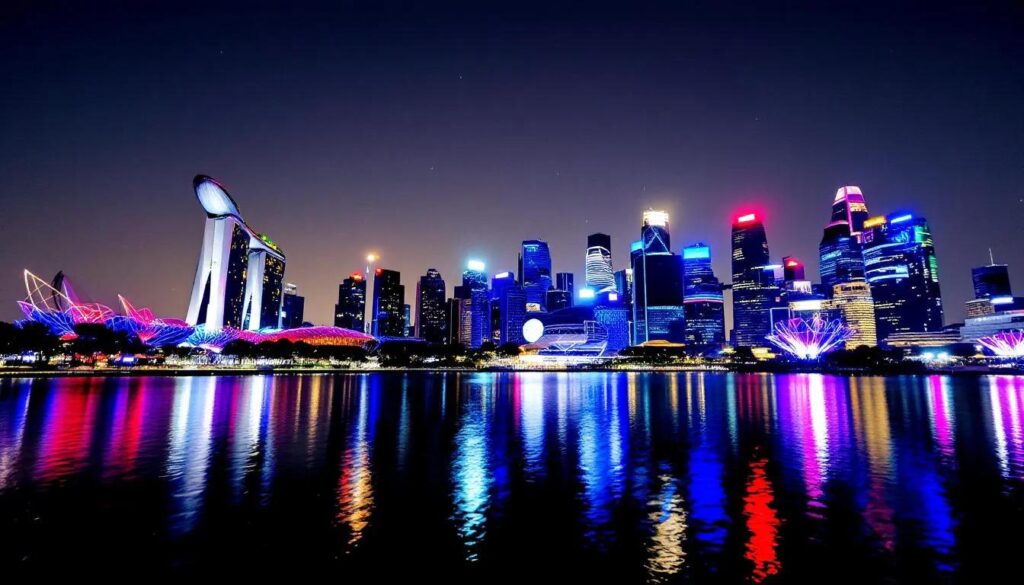
Garden Rhapsody at gardens by the bay transforms the supertrees into a multimedia light and music show that occurs twice nightly. The 15-minute presentation synchronizes lights with music ranging from classical to contemporary, creating a family-friendly spectacle visible throughout the marina bay area.
The Spectra light and water show at marina bay uses projection mapping, water jets, and lasers to tell Singapore’s story through multimedia presentation. The show occurs nightly and provides free entertainment with premium viewing areas available for purchase.
Late-night cycling at east coast park takes advantage of well-lit paths and cooling sea breezes. Bicycle rental shops operate extended hours on weekends, enabling sunset rides that continue into the evening hours.
Shopping and Local Markets
Singapore’s shopping scene extends far beyond the luxury malls of orchard road to include diverse markets, heritage districts, and unique local finds that reflect the city’s multicultural character and trading heritage. Many of these shopping districts are in a great location, close to major attractions and entertainment options, making them convenient for visitors to explore.
Orchard Road: Luxury Shopping District
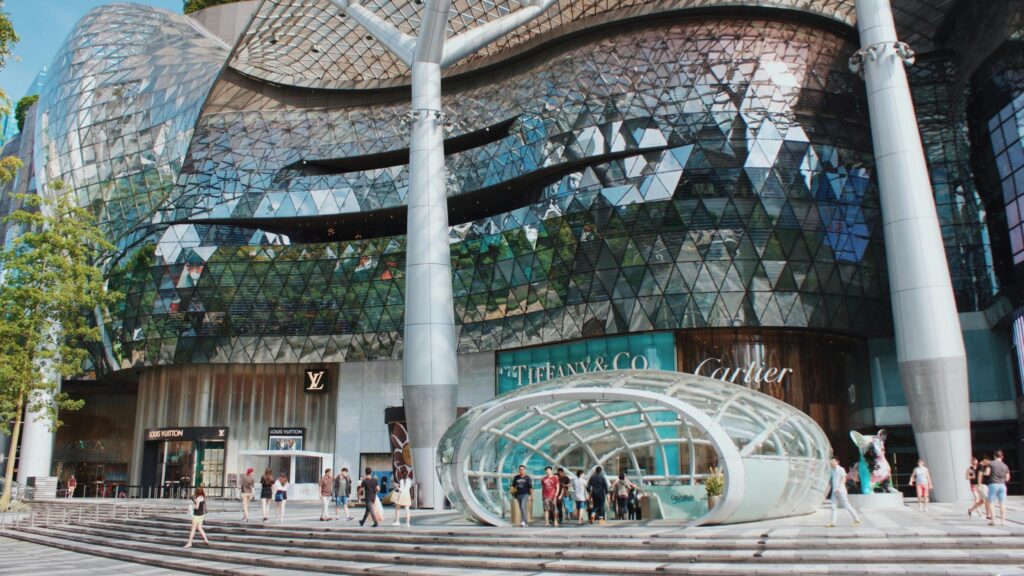
orchard road remains southeast asia’s premier shopping destination, with over 2.8 million square feet of retail space housing international luxury brands, department stores, and flagship boutiques. The district spans multiple malls connected by covered walkways, enabling air-conditioned shopping regardless of weather conditions.
ION orchard, paragon, and takashimaya offer high-end fashion and accessories, while wisma atria and far east plaza cater to younger demographics with trendy clothing and accessories. The diversity ensures shopping options for different budgets and style preferences.
The orchard road area also provides excellent people-watching opportunities, particularly on weekend evenings when locals and tourists alike stroll the tree-lined sidewalks and explore the various malls and street-level shops.
Bugis Street and Arab Street Markets
bugis street combines traditional market shopping with modern retail in a bustling environment that operates from morning until late evening. The market stalls sell everything from singapore souvenirs and clothing to electronics and accessories at negotiable prices.
arab street extends the shopping experience into singapore’s muslim quarter, where traditional carpet shops, perfume stores, and textile merchants operate alongside contemporary boutiques selling modern islamic fashion and home decor.
Both areas provide opportunities to practice bargaining skills while discovering unique items unavailable in conventional malls. The cultural context adds authenticity to the shopping experience.
Local Markets and Weekend Finds
Weekend markets throughout singapore offer fresh produce, prepared foods, and unique local products in neighborhood settings that provide glimpses into everyday singapore life.
The weekend farmers markets at various locations including raffles place and marina bay showcase local agricultural products, artisanal foods, and sustainable living products. These markets emphasize singapore’s growing local food movement and urban farming initiatives.
Vintage shopping in haji lane and tiong bahru has developed into a sophisticated scene where independent boutiques sell carefully curated clothing, accessories, and home goods. These shops often feature local designers alongside international vintage pieces.
Duty-Free Shopping at Changi Airport
changi airport’s duty-free shopping, particularly at jewel changi airport, has become a destination in itself. The five-story complex houses the rain vortex (the world’s tallest indoor waterfall), indoor gardens, shopping, dining, and entertainment facilities that make extended layovers enjoyable.
The airport’s reputation for service excellence extends to its retail offerings, with competitive prices on electronics, cosmetics, alcohol, and singapore-specific souvenirs. Many travelers specifically plan extended layovers to experience jewel’s unique combination of nature, shopping, and entertainment.
Cultural Experiences and Museums
Singapore’s cultural institutions showcase both its colonial heritage and position as a contemporary southeast asian hub, offering world-class collections and a diverse collection of art and artifacts that rival institutions in much larger cities.
National Gallery Singapore: Art in Colonial Buildings
The national gallery singapore occupies two beautifully restored colonial buildings—the former supreme court and city hall—that have been connected by a dramatic glass canopy to create southeast asia’s largest visual arts museum. The permanent collection focuses on modern southeast asian art, providing context for understanding the region’s artistic development since the 19th century.
The gallery’s approach emphasizes regional perspectives often overlooked by western museums, showcasing artists and movements that shaped contemporary southeast asian culture. Special exhibitions regularly feature international artists and touring collections that provide global context for local artistic traditions.
Asian Civilisations Museum: Regional Heritage
Located along the singapore river in the civic district, the asian civilisations museum explores the cultural heritage of asia through artifacts, interactive exhibits, and multimedia presentations. The museum’s riverside location in a restored colonial building creates an atmospheric setting for exploring singapore’s connections to broader asian civilizations.
The museum regularly hosts cultural performances, workshops, and festivals that bring historical traditions into contemporary practice. These events provide opportunities to experience living culture rather than simply observing historical artifacts.
Peranakan Museum: Straits Chinese Culture
The peranakan museum dedicates itself to preserving and presenting the unique culture of the straits chinese—descendants of chinese immigrants who intermarried with local populations and developed distinctive traditions blending chinese and southeast asian elements.
The museum’s collection includes intricate beadwork, traditional clothing, furniture, and household items that demonstrate the sophisticated material culture that emerged from cultural fusion. Interactive exhibits explain how peranakan cuisine, language, and customs continue to influence contemporary singapore culture.
National Museum of Singapore: Local History Context
The national museum of singapore, housed in a striking dome-topped building, presents singapore’s history from its founding as a trading post through its development into a modern city-state. The exhibits use multimedia presentations and immersive experiences to make historical events accessible and engaging.
The museum’s approach emphasizes multiple perspectives on historical events, acknowledging the experiences of different communities while exploring how singapore’s unique position as a trading hub shaped its development.
Free Cultural Performances and Festivals
Singapore’s cultural calendar includes numerous free performances and festivals throughout the year that provide opportunities to experience living traditions in public spaces.
The esplanade – theatres on the bay hosts free outdoor concerts and performances most weekends, featuring everything from traditional ethnic music to contemporary fusion artists. The riverside setting creates magical evening experiences when singapore’s skyline provides a dramatic backdrop.
Major festivals including chinese new year, deepavali, hari raya, and christmas feature public celebrations, street decorations, and cultural performances that transform entire neighborhoods into festive environments.
Hidden Gems and Local Secrets
Beyond singapore’s well-known attractions lie discoveries that reveal authentic local life and provide unique experiences unavailable elsewhere. These hidden gems often surprise even long-term residents with their unexpected charm and character.
Lorong Buangkok: Singapore’s Last Traditional Village
lorong buangkok preserves singapore’s last traditional kampong (village), where families live in wooden houses surrounded by tropical gardens, chickens roam freely, and life continues much as it did decades ago. This remarkable survivor of urban development offers glimpses into singapore’s pre-independence lifestyle.
Visitors can walk through the village’s narrow lanes, observe traditional architecture, and interact with residents who maintain community gardens and traditional trades. The contrast with surrounding modern housing developments makes the experience particularly striking.
Access requires respectful behavior and awareness that this is a living community, not a theme park. Early morning visits often provide the most authentic experience when residents engage in daily routines.
Pinnacle@Duxton: Free City Views
The pinnacle@duxton public housing complex offers spectacular panoramic views from its 50th-floor sky gardens, providing an alternative to expensive observation decks with equally impressive vistas. The viewing area showcases singapore’s urban planning success, with high-quality public housing integrated into the city center.
The location near chinatown makes it easily accessible via public transport, and the free admission makes it particularly attractive for budget-conscious travelers. sunset visits are especially popular with photographers and couples seeking romantic city views.
Haw Par Villa: Quirky Chinese Mythology
haw par villa presents chinese mythology and moral lessons through elaborate dioramas and statues in a setting that borders on surreal. This unique theme park, built by the creators of tiger balm, showcases traditional chinese folk tales and buddhist teachings through vivid (sometimes shocking) artistic representations.
The park’s most famous attraction, the ten courts of hell, depicts graphic punishments for moral transgressions in traditional chinese belief systems. While not suitable for young children, the experience provides fascinating insights into traditional moral and religious concepts.
Changi Beach and Coastal Walks
changi beach and the surrounding coastal areas offer peaceful escapes from urban intensity, with walking paths that extend for kilometers along singapore’s northeastern coastline. The area retains traces of singapore’s world war ii history, including preserved structures and memorials.
The beach provides excellent sunset viewing and peaceful picnic opportunities, while the nearby changi village offers authentic local dining in a relaxed fishing village atmosphere that feels far removed from central singapore despite being easily accessible via public transport.
Local Coffee Shops in Residential Heartlands
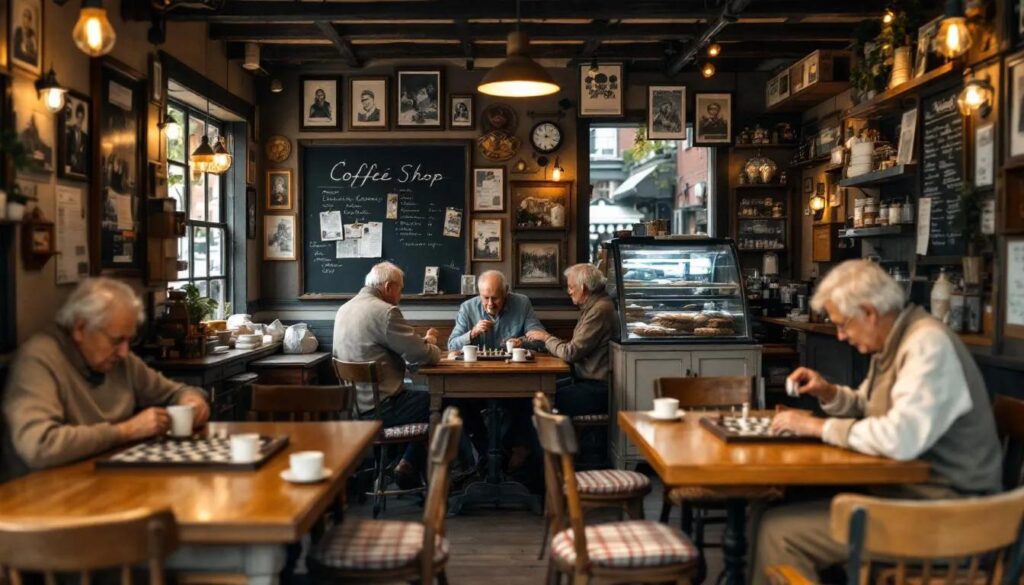
Traditional kopitiams (coffee shops) in residential neighborhoods throughout singapore provide authentic local experiences away from tourist areas. These establishments serve as community gathering places where regulars meet for morning coffee, newspapers, and conversation.
Each kopitiam develops its own character based on the surrounding neighborhood demographics and the coffee shop owner’s background. Some specialize in hainanese-style coffee and toast, others feature hokkien or teochew specialties, and many serve as informal community centers where locals discuss everything from politics to soccer.
Off-the-Beaten-Path Neighborhoods
Several neighborhoods offer authentic local experiences while remaining accessible to visitors who respect local customs and approach exploration thoughtfully.
Geylang presents singapore’s most culturally diverse neighborhood, where ethnic restaurants, traditional trades, and vibrant street life create an atmosphere unlike anywhere else in the city. The area’s reputation as a red-light district should not deter respectful visitors interested in authentic local food scene and cultural diversity.
Balestier Road preserves traditional trades including funeral services, bird singing competitions, and family-run businesses that have operated for generations. The heritage shophouses showcase singapore’s architectural evolution while maintaining their original commercial functions.
Jalan Besar offers a fascinating mix of old and new singapore, where traditional trades coexist with hipster cafes and modern developments. The area demonstrates how singapore manages urban renewal while preserving community character.
When exploring these local areas, maintain cultural sensitivity by dressing appropriately, avoiding intrusive photography, and respecting that these are working neighborhoods where people live and conduct business rather than tourist attractions.
Weekend Activities and Day Trips
Singapore’s compact size enables diverse weekend experiences, from full-day island adventures to cycling expeditions that span the entire country. The excellent public transport system and well-developed infrastructure make spontaneous exploration both safe and convenient.
Sentosa Island Full-Day Adventure
A comprehensive sentosa island experience can easily fill an entire weekend, with activities ranging from beaches and water sports to theme parks and luxury resorts. The island’s pedestrian-friendly design connects all major attractions via free shuttle buses, monorail, and walking paths.
Morning activities might include universal studios singapore or the s.e.a. aquarium, afternoon beach time at siloso beach with water sports rentals, and evening dining and entertainment at resorts world sentosa. The island’s resort atmosphere provides a vacation-within-a-vacation experience without leaving singapore.
Singapore’s Offshore Islands: Natural Escapes
St. John’s Island and Lazarus Island offer pristine beaches, calm swimming conditions, and peaceful picnic environments just 30 minutes from mainland singapore via regular ferry service. These islands provide complete escapes from urban intensity with minimal development and extensive natural areas.
The islands connect via a bridge, enabling exploration of both environments during single visits. St. john’s island features more facilities including restrooms and covered areas, while lazarus island offers more secluded beach experiences.
Swimming conditions remain excellent year-round, though weekends see increased visitor numbers. Bringing food and drinks is recommended, as facilities on the islands are limited.
Cycling the Island: Park Connector Network
Singapore’s park connector network spans over 300 kilometers of cycling and walking paths that link parks, nature reserves, and residential areas across the entire island. The network enables car-free cycling adventures that showcase singapore’s commitment to green transportation and recreation.
Popular routes include the coast-to-coast trail that spans singapore from jurong lake gardens in the west to coney island park in the northeast, covering 36 kilometers of diverse landscapes including parks, residential areas, and coastal sections.
Bicycle rental stations throughout the network accept contactless payment and operate 24/7, making spontaneous cycling adventures convenient and affordable.
Weekend Markets and Community Events
Weekend farmers markets at locations including marina bay, raffles place, and various neighborhood centers showcase local agriculture, artisanal products, and community initiatives. These markets emphasize singapore’s growing local food movement and provide opportunities to meet local producers and artisans.
Community events vary seasonally but often include outdoor concerts, art festivals, heritage walks, and cultural celebrations that provide free entertainment while connecting visitors with local communities.
Seasonal Festivals and Celebrations
Singapore’s multicultural character creates a year-round calendar of festivals and celebrations that transform neighborhoods and public spaces into festive environments.
chinese new year (january/february) brings elaborate decorations to chinatown, traditional performances, and street markets selling festive foods and decorations. The period provides excellent opportunities to observe traditional customs and participate in community celebrations.
deepavali (october/november) illuminates little india with elaborate light displays, traditional music and dance performances, and special food offerings at temples and restaurants.
hari raya (dates vary) brings festive atmosphere to kampong glam and other muslim areas, with special foods, decorations, and community gatherings that welcome respectful participation.
christmas celebrations transform orchard road into a winter wonderland despite the tropical climate, with elaborate decorations, special shopping hours, and family-friendly events throughout december.
Practical Singapore Travel Tips
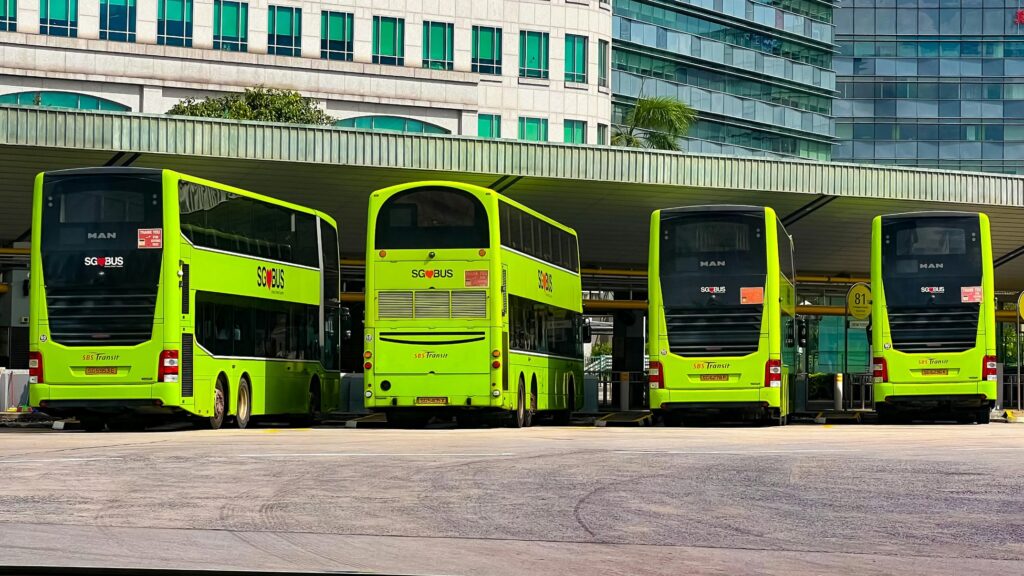
Singapore’s reputation for efficiency, safety, and convenience makes it one of the world’s most user-friendly destinations for both first-time visitors and experienced travelers. Understanding local customs and systems enhances the experience while showing respect for local culture.
Weather and Best Times to Visit
Singapore’s tropical climate maintains consistent temperatures between 26-32°C (79-90°F) year-round, with high humidity and frequent rain showers that typically last 30-60 minutes. The weather rarely prevents outdoor activities, though timing and preparation improve comfort significantly.
Wet seasons (November-January and June-September) feature daily afternoon thunderstorms that provide cooling relief but can disrupt outdoor plans. Indoor attractions like museums, shopping centers, and hawker centres become particularly attractive during these periods.
Drier periods (February-May and October) offer more predictable weather for outdoor activities, though rain showers can occur anytime. These periods coincide with major festivals and events, leading to increased visitor numbers and higher accommodation prices.
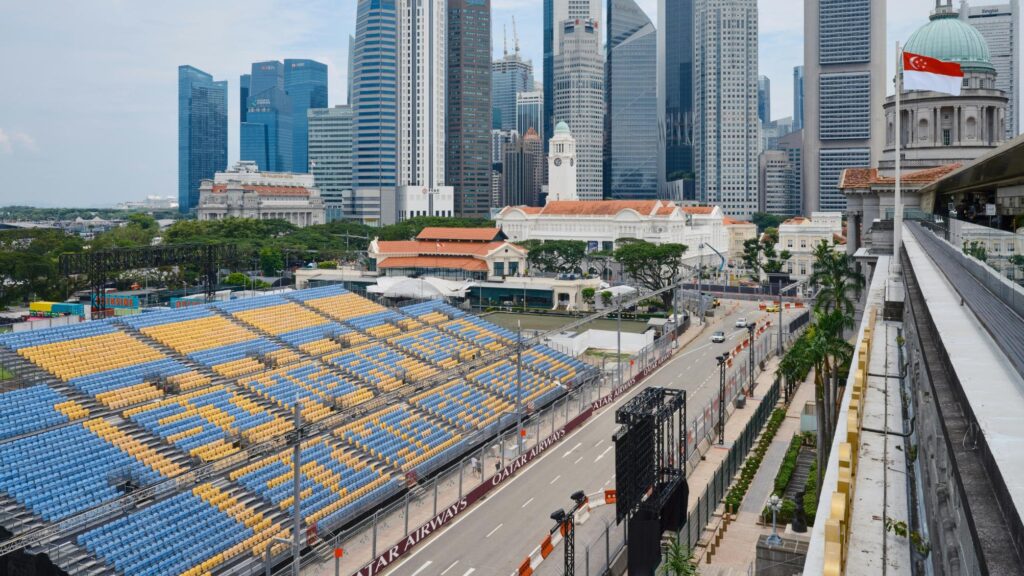
The singapore grand prix (september) and other major events create peak demand periods when accommodation prices increase significantly and popular attractions become more crowded.
Getting Around: Transportation Excellence
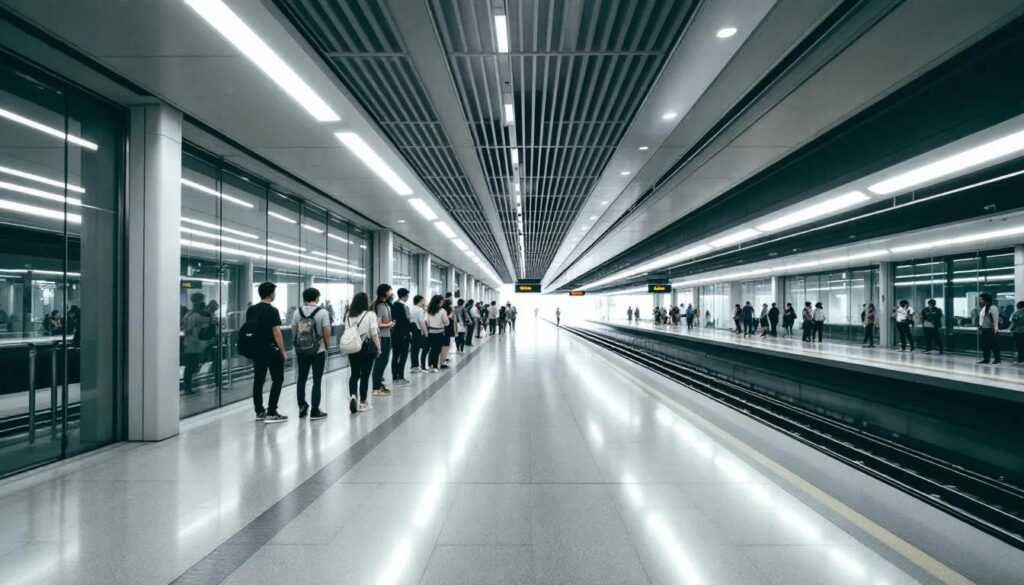
Singapore’s public transport system ranks among the world’s most efficient and user-friendly, with the MRT (mass rapid transit) connecting all major attractions and neighborhoods through clean, air-conditioned trains that arrive every 2-5 minutes during peak hours.
Singapore Tourist Pass provides unlimited rides on MRT and buses for 1, 2, or 3 consecutive days, offering convenience and cost savings for visitors planning extensive exploration. The pass includes a refundable deposit and can be purchased at any MRT station.
EZ-Link cards work for public transport, some taxis, and many retail purchases, providing cashless convenience throughout the city. The cards can be topped up at any MRT station and provide slight discounts compared to single-journey tickets.
Ride-sharing apps (Grab) and traditional taxis provide door-to-door service with transparent pricing and excellent availability. During peak hours or special events, surge pricing may apply, making public transport more economical.
Walking remains pleasant and safe throughout singapore, with covered walkways connecting many buildings in the city center and pedestrian-friendly infrastructure in most neighborhoods.
Cultural Etiquette and Local Customs
Singapore’s multicultural society requires awareness of different cultural sensitivities while maintaining generally relaxed social expectations.
Religious sites require appropriate dress (covered shoulders and knees) and respectful behavior. Remove shoes when entering temples and mosques, and avoid photography during religious services unless explicitly permitted.
Dining etiquette varies by cultural context—chinese restaurants may use lazy susans and shared dishes, indian establishments might encourage eating with hands, while western-style restaurants follow international conventions. hawker centres operate informally with shared seating and quick service.
Language presents no barriers, as english serves as the primary language for business, education, and tourism, though local terms like “kopitiam” (coffee shop) and “teh” (tea) enhance the experience.
Tipping is not expected in most situations, as service charges are typically included in restaurant bills and taxi fares. Small tips for exceptional service are appreciated but not required.
Money-Saving Strategies
Singapore can accommodate various budgets through strategic choices that maintain quality while controlling costs.
Hawker centres and food courts provide excellent meals for $3-8, often matching or exceeding restaurant quality at fraction of the cost. Many hawker stalls have earned michelin recognition, validating the quality available at budget prices.
Free attractions include gardens by the bay outdoor areas, singapore botanic gardens, pinnacle@duxton observation deck, and numerous parks and walking trails. Many museums offer free admission for singapore residents and reduced prices during certain hours.
Happy hour timing at rooftop bars and upscale restaurants often provides access to premium venues at more affordable prices, typically between 5-7 PM on weekdays.
Public transport costs significantly less than taxis while providing efficient access to all major destinations. The extensive park connector network enables free cycling (bring your own bicycle) or low-cost rental cycling throughout the island.
Where to Stay in Singapore
Singapore’s compact size means that location choice affects convenience and atmosphere more than accessibility, as excellent public transport connects all neighborhoods to major attractions within 30-45 minutes.
Marina Bay area provides luxury accommodation with walking access to iconic attractions, upscale shopping, and premium dining. The concentration of high-end hotels creates a sophisticated atmosphere with excellent harbor views, though prices reflect the premium location.
Chinatown offers heritage charm with boutique hotels in restored shophouses, immediate access to excellent food, and central location for exploring cultural neighborhoods. The area combines historical atmosphere with modern amenities and competitive pricing.
Orchard Road appeals to shopping enthusiasts with luxury hotels integrated into shopping complexes, extensive dining options, and central location for exploring both tourist attractions and business districts.
Tiong Bahru and Tanjong Pagar provide sophisticated neighborhood experiences with boutique hotels, independent restaurants and cafes, and authentic local atmosphere while maintaining easy access to central attractions.
For detailed accommodation recommendations including insider reviews of specific hotels, neighborhood guides, and booking strategies, explore EatPlayStay’s comprehensive STAY section that leverages local expertise to identify the best options for different budgets and preferences.
Planning Your Perfect Singapore Itinerary
Singapore’s compact geography and efficient infrastructure enable remarkably diverse experiences regardless of visit duration. Strategic planning maximizes time while ensuring balance between must-see attractions and authentic local discoveries.
2-Day Highlights for Quick Stopovers
Many travelers experience singapore during extended layovers or brief stopovers. The city’s proximity to changi airport and efficient transport make meaningful exploration possible even during short visits.
Day 1: Start with marina bay sands skypark for orientation and spectacular views, then explore gardens by the bay conservatories and outdoor gardens. Afternoon at maxwell food centre for authentic hawker center experience, followed by evening stroll through chinatown including buddha tooth relic temple. End with spectra light show at marina bay.
Day 2: Morning at singapore zoo or universal studios singapore (choose based on family composition and preferences), afternoon exploring little india including sri veeramakaliamman temple and tekka centre, evening drinks at ann siang hill bars or clarke quay riverside dining. For a classic experience, consider trying a singapore sling at the historic Raffles Hotel’s Long Bar, where the iconic cocktail was created—singapore slings remain a popular choice among visitors seeking a taste of Singapore’s history.
This itinerary covers singapore’s essential experiences while providing authentic cultural immersion and memorable meals.
5-Day Comprehensive Singapore Experience
Five days allows deeper exploration of neighborhoods, outdoor activities, and unique experiences that reveal singapore’s character beyond headline attractions.
Days 1-2: Follow the 2-day highlights itinerary above.
Day 3: Southern ridges walk including henderson waves bridge and mount faber park, afternoon at singapore botanic gardens including national orchid garden, evening exploring kampong glam including sultan mosque and haji lane street art.
Day 4: Full day at sentosa island including universal studios singapore or beach activities, evening at rooftop bars for sunset drinks and city views.
Day 5: Morning cycling at east coast park, afternoon exploring tiong bahru neighborhood including markets and art deco architecture, evening at hawker centre trying dishes missed during earlier visits.
This expanded itinerary balances major attractions with outdoor activities, neighborhood exploration, and culinary adventures.
Week-Long Deep Dive Including Day Trips
Seven days enables comprehensive singapore exploration including day trips to offshore islands and extensive neighborhood wandering that reveals hidden gems and local life.
Days 1-5: Follow the 5-day itinerary above.
Day 6: Day trip to st. john’s island and lazarus island for beaches and swimming, or extended cycling expedition using park connector network to explore singapore’s green spaces and residential neighborhoods.
Day 7: Morning at macritchie reservoir treetop walk, afternoon exploring geylang neighborhood for authentic food experiences, evening at night safari for nocturnal wildlife encounters.
Extended visits allow spontaneous discoveries, repeat visits to favorite hawker stalls, and deeper cultural engagement through conversations with locals and participation in community events.
Themed Itineraries for Special Interests
Food Lovers: Focus on hawker centres, michelin-starred street food, neighborhood specialties, and cooking classes. Include visits to wet markets, spice gardens, and traditional coffee shops for comprehensive culinary education.
Families: Emphasize interactive attractions like science centre singapore, zoo experiences, sentosa island activities, and child-friendly cultural sites with hands-on learning opportunities.
Culture Enthusiasts: Prioritize museums, heritage neighborhoods, traditional arts performances, religious sites, and cultural festivals that provide deep insights into singapore’s multicultural character.
Nature Lovers: Focus on parks, gardens, nature reserves, cycling routes, and offshore islands that showcase singapore’s commitment to environmental conservation and green urban planning.
Seasonal Considerations and Festival Timing
Singapore’s festival calendar creates opportunities to experience authentic cultural celebrations while potentially affecting crowd levels and accommodation availability.
Chinese New Year transforms chinatown into a festive wonderland but increases visitor numbers and prices significantly.
Formula One Grand Prix brings international excitement and premium entertainment but creates extremely high demand for accommodation and dining.
Monsoon seasons make indoor attractions more appealing while potentially disrupting outdoor activities, though most rain showers last less than an hour.
School holidays (June, November-December) increase family visitor numbers to attractions like universal studios and science centre singapore.
Plan around these factors to either embrace the festive atmosphere or avoid peak crowds based on personal preferences.
Singapore with EatPlayStay: Local Expertise Advantage
As singapore locals with years of experience exploring every neighborhood, hidden gem, and authentic experience, EatPlayStay provides insider knowledge that transforms ordinary visits into extraordinary discoveries.
Our EAT section offers detailed reviews of hawker stalls, restaurants, and food experiences that locals actually recommend—not just tourist-focused establishments. We know which satay stalls serve the best peanut sauce, where to find the most authentic laksa, and how to order like a local at traditional kopitiams.
The STAY section leverages our understanding of singapore’s neighborhoods to match accommodation choices with personal preferences and itinerary plans. We know which hotels provide easy access to morning runs in gardens by the bay, which neighborhoods offer the best street food within walking distance, and where to find authentic local experiences away from tourist crowds.
Our local perspective means we understand singapore’s rhythms—when to visit popular attractions to avoid crowds, which festivals provide the most authentic cultural experiences, and how to navigate the city like a resident rather than a tourist.
Most importantly, we recognize that singapore’s greatest strength lies in its diversity of experiences. From michelin-starred street food and world-class attractions to quiet neighborhood coffee shops and hidden natural spaces, singapore rewards curious exploration and cultural openness.
Whether you’re planning a brief stopover or extended exploration, visiting singapore for the first time or seeking new discoveries as a returning visitor, EatPlayStay’s insider expertise ensures you experience the authentic singapore that locals love—a remarkable city where tradition and innovation, nature and urban sophistication, and diverse cultures combine to create something truly unique in southeast asia.
Contact us for personalized singapore itinerary planning that incorporates your specific interests, time constraints, and budget while ensuring you discover both the must-see attractions and hidden gems that make the lion city unforgettable.