
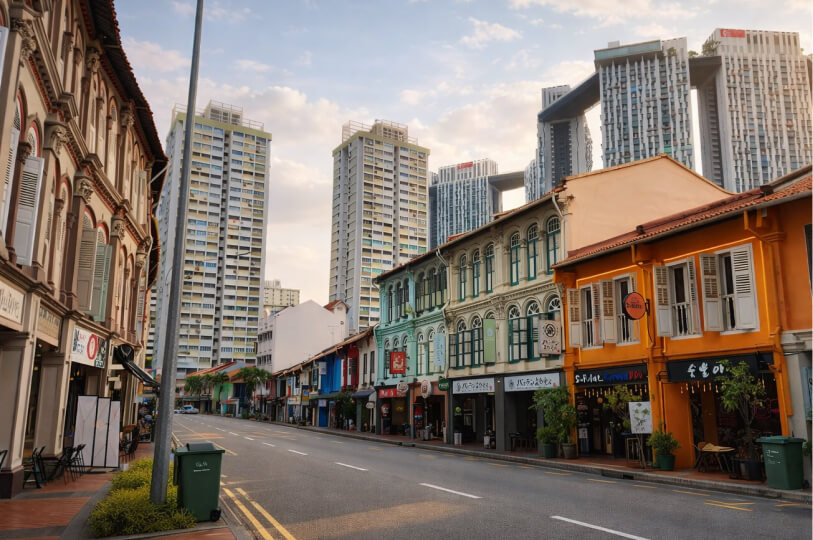
I eat out more than I cook, and at this point, my calendar is basically organised around meals. But every now and then, a dinner reminds me why I still get excited walking into a restaurant. Not because it is fancy, or expensive, or trending on social media, but because something about the moment feels intentional.
That’s how most of my Singapore omakase meals begin especially during an evening omakase, where the experience feels even more immersive and ceremonial.
You step into a quiet corner of a building you’ve passed a hundred times. Orchard Plaza. Cuppage Plaza. A side street in Tanjong Pagar. You slide open a wooden door, trade street noise for silence, and suddenly the entire night narrows to a row of counter seats and one chef standing behind them.
This is not background dining. This is a performance where the counter becomes theatre, the omakase menu is the script, and you are very much part of the show. The artistry of the chef is on full display, with each dish crafted with meticulous skill and presented with visual beauty that transforms the meal into a true work of culinary art.
Singapore Omakase: Where the Counter Is the Main Character
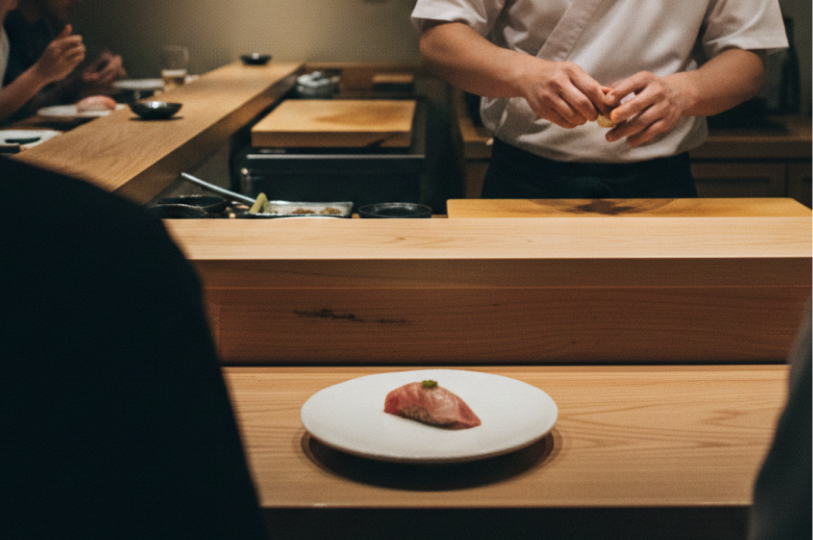
Most omakase restaurants in Singapore understand one thing very well: space shapes experience.
Counters are usually tight, deliberately so. Eight seats, maybe ten. The lighting is low everywhere except the workspace. Your table is the counter. Your view is the chef’s hands. There is nowhere else to look, and that is exactly the point.
At a good Japanese restaurant, this design creates focus. No distractions, no wandering staff, no kitchen doors swinging open. The entire dining experience unfolds inches from your plate. The first time I sat at an omakase counter, I felt slightly awkward. Too close. Too quiet. But once the first piece of nigiri landed in front of me, I understood the appeal. You are not just eating sushi. You are watching sushi being made specifically for you.
Omakase Restaurants and the Intimate Setting That Changes How You Eat
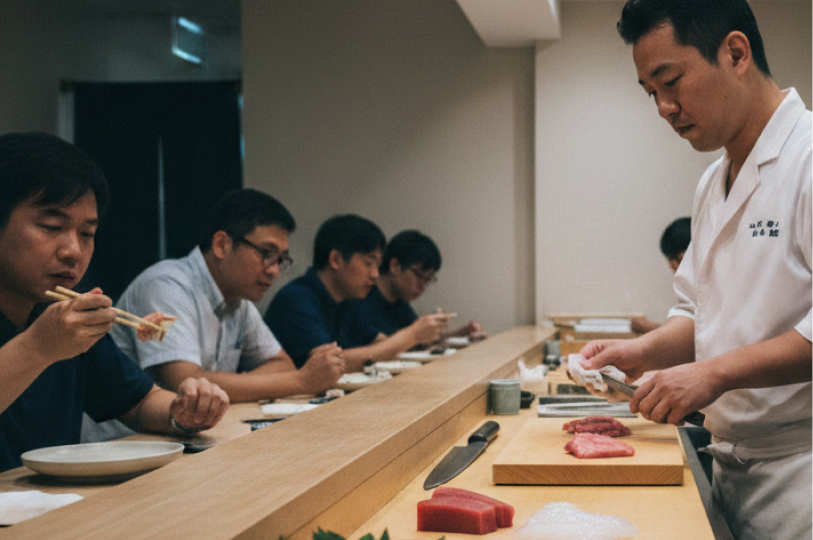
What really sets omakase restaurants apart is intimacy.
You see everything. How the blade is wiped between cuts. How the rice is shaped differently depending on the fish. How each piece of sashimi is carefully selected, sometimes adjusted mid-course based on how diners are reacting.
The chef’s philosophy guides every aspect of the meal, from ingredient selection to presentation. Acting as a curator, the chef chooses ingredients at their peak, known as “shun,” ensuring each dish reflects the best of the season.
In a city full of loud dining rooms, this quiet, almost reverent setup feels special. Some places offer a private room for groups, but I always prefer the counter seats. That is where the connection happens.
At one counter in Tanjong Pagar, the chef noticed I was eating slower than the rest of the table and subtly adjusted the pacing so nothing sat too long. That kind of attention changes how you dine. You slow down. You pay attention. You approach the meal with a profound respect for the craft in front of you.
Dinner Omakase Menu: Watching the Evening Unfold Course by Course
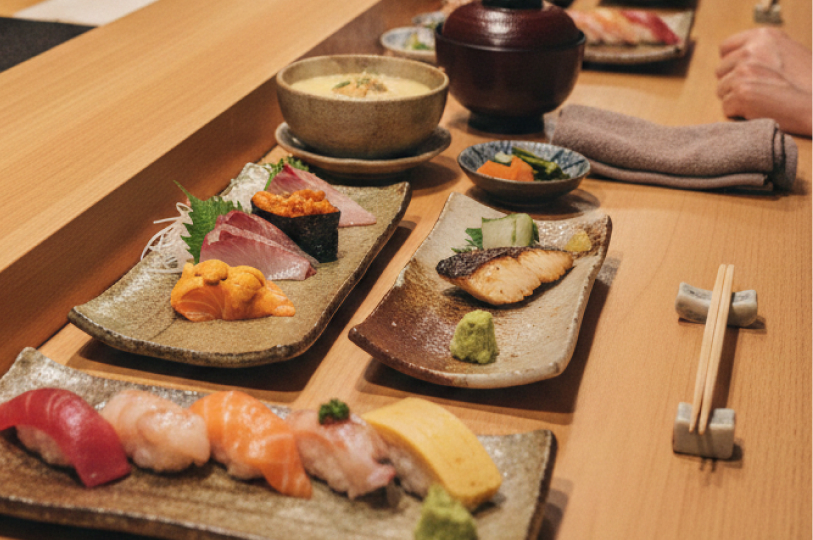
A dinner omakase menu is where chefs usually have the most freedom.
Most omakase menus ranging from accessible to premium follow a familiar rhythm. Diners can indulge in the finest ingredients right from the start, as the omakase experience often begins with a carefully crafted appetizer, setting the tone for the rest of the meal. It begins light. Perhaps an appetiser of sashimi brushed with soy. Then a few clean, delicate sushi pieces to set the tone.
From there, the meal builds.
I once watched a chef torch a scallop just enough to release its sweetness, then top it with hokkaido uni and a drop of soy mixed with egg yolk. It looked indulgent but tasted balanced. Rich without being overwhelming. That sense of good balance is harder to achieve than it seems.
Dinner omakase often includes cooked dishes as well. Grilled seafood, a warm chawanmushi, or a plate of tempura. These hot dishes give the palate a break before diving back into premium seafood and nigiri.
Lunch Omakase Menu: Shorter, Sharper, and Surprisingly Complete
The lunch omakase menu is where I often point people who are curious but cautious.
Lunch courses are usually more focused. Fewer dishes, quicker pacing, but still built around the freshest seasonal ingredients. You might get a small appetiser, six to eight sushi pieces, and dessert. Enough to feel satisfied without the heaviness of a full dinner.
Some of the most enjoyable affordable omakase experiences I have had were at lunch. You still get seafood sourced from Toyosu Market, still sit at the counter, still experience the chef shaping each piece in front of you. Just in a tighter, more approachable format.
For a deeper dive into authentic and thoughtfully curated dining experiences, check out our article: A Non-Influencer’s Guide to the Best Singapore Omakase.
Inside the Omakase Menu: From Appetiser to Dessert
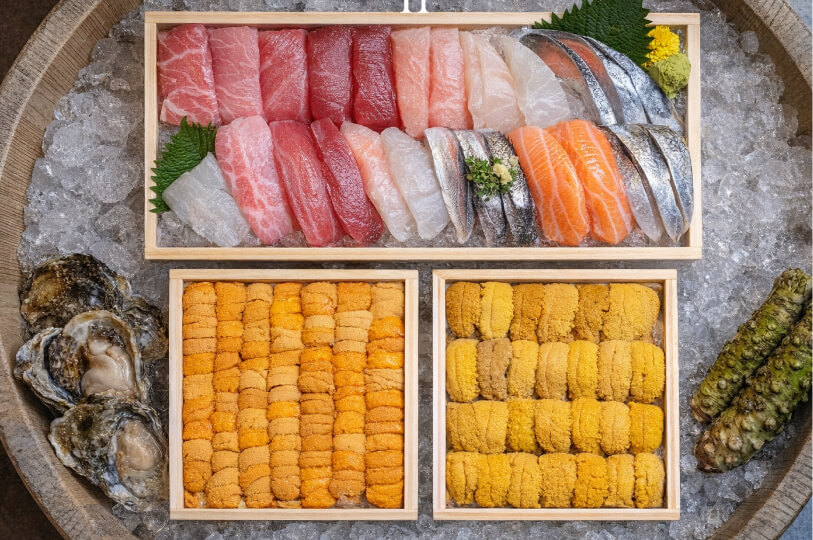
A well-constructed omakase course feels intentional from start to finish, offering a variety and quality of sushi courses that highlight premium seafood and seasonal ingredients.
The flow matters. Light to rich. Cool to warm. Raw to cooked. Each dish prepares you for the next. Each omakase meal is typically a progression of courses that showcases the chef’s skill and the season’s best offerings.
You might begin with sashimi showcasing the freshest ingredients, followed by nigiri brushed lightly with soy so diners do not need to dip. Somewhere in the middle comes the highlight. Sea urchin. Fatty tuna. A sweet scallop topped with a small accent of caviar. These moments stand out because of timing, not excess.
Towards the end, the menu softens. Tamago. Soup. A simple dessert. Not flashy, just enough to close the meal comfortably.
Dinner Omakase as a Special Occasion Ritual
For many diners, dinner omakase is saved for a special occasion.
Birthdays. Anniversaries. Quiet celebrations where conversation matters. The calm pace and intimate setting encourage you to linger, to talk, to notice small details.
The best meals feel personal. The chef remembers preferences. Adjusts seasoning. Maybe adds an extra piece if the table seems especially engaged. It feels less like a transaction and more like being hosted. Some dinner omakase experiences also feature unique offerings—exclusive or distinctive menu items—that set them apart from other dining options.
The Japanese Restaurant Experience Beyond Sushi
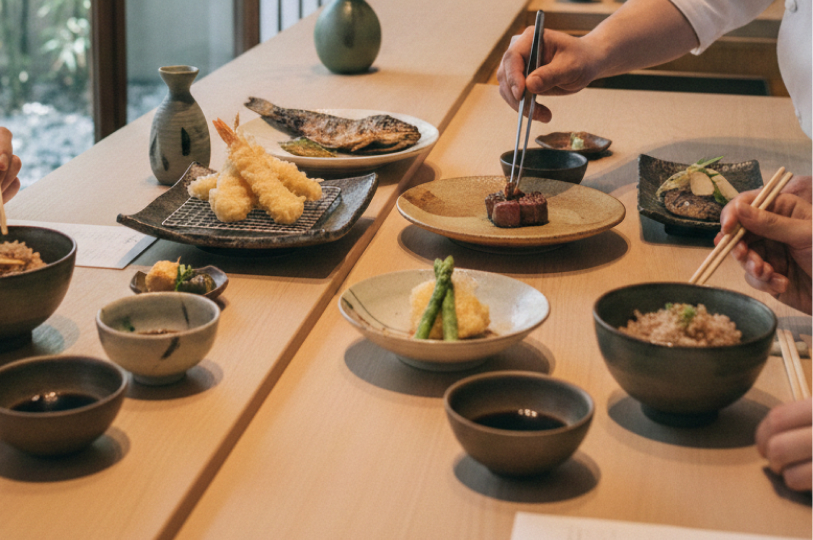
Not every omakase meal is strictly sushi.
Some chefs incorporate hot dishes, grilled seafood, or tempura into the course. Many omakase menus also feature premium beef, such as wagyu, highlighting the quality and variety of beef as a central theme. Omakase can include innovative cooked items like tempura and wagyu beef, offering diners a broader culinary experience.
The key is restraint. The best Japanese cuisine values freshness and simplicity. Premium ingredients only work when they are treated with care, not overused.
Chef Suzuki and the Human Element Behind the Counter
At the heart of every great omakase experience is the chef.
I have dined at counters led by renowned chefs like Chef Suzuki, whose movements are quiet, precise, and deliberate. There is no rush, no unnecessary motion—just repetition, focus, and confidence built from years behind the counter mastering the art of sushi omakase.
That presence matters. You can taste the difference when a chef is fully engaged with their guests, curating each omakase course with care and attention to the freshest seasonal ingredients. The connection between chef and diner transforms the meal into a unique dining experience that highlights the artistry and tradition of Japanese cuisine.
This human element—the chef’s dedication, skill, and interaction with diners—is what elevates an omakase meal beyond food to a memorable performance. It’s why places like Sushi Muni and other esteemed counters have become beloved spots for those seeking authentic and refined Singapore omakase experiences.
In every bite, you taste not just ingredients, but the story, tradition, and passion behind them.
Dining Experience, Counter Seats, and Why Omakase Still Feels Like Art
I’m not chasing the latest buzz anymore. What gets me excited now is when I can feel the real intention behind a place.
It doesn’t matter if it’s some tiny counter tucked away in a corner or a polished spot downtown—the best dining experiences I’ve had all come down to the same things: someone actually paying attention, getting the balance right, and really respecting what came before. I’ve noticed a lot of omakase restaurants here in Singapore go for this calm, zen vibe. Sometimes there’s even a little garden tucked in somewhere. It works, honestly. When I’m sitting there, everything just feels more focused, more intentional.
Every omakase course becomes this little celebration of what Japanese cuisine can really do when someone cares enough to do it right. For those exploring dining options near Orchard Plaza, this immersive experience stands out among the many exceptional food venues in the area, as detailed in this guide to food near Plaza Singapura and Orchard Road.