
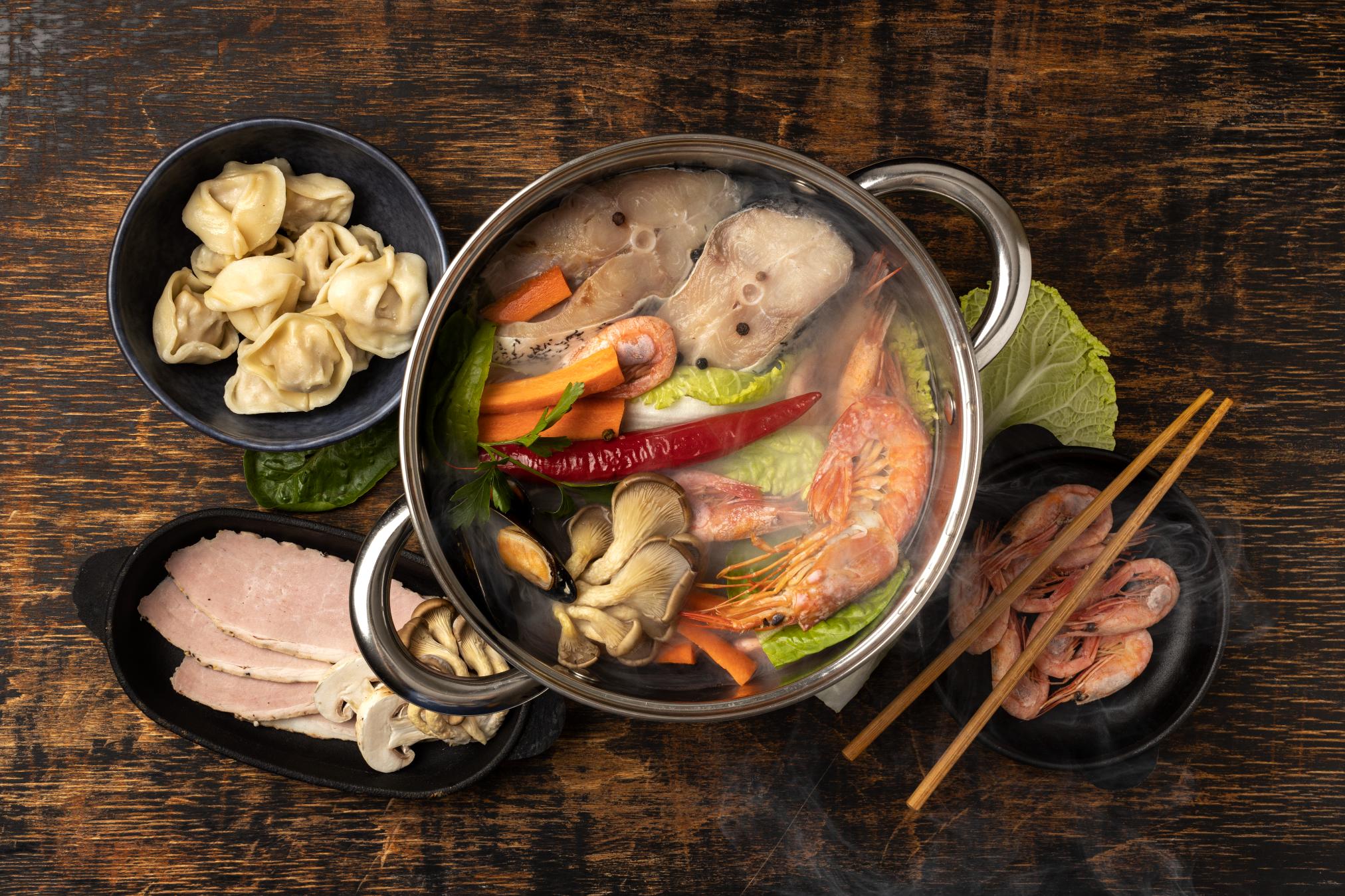
Chinese New Year in Singapore bursts with movement, color, and noise. From the lively beats of lion dances to the exchange of mandarin oranges, the air is festive and vibrant. Yet, amidst this energy lies a quieter, cherished tradition—the reunion dinner. This meal is the cornerstone of the celebrations, bringing families together to mark the end of one year and the start of another.
At the heart of many reunion dinners is Pen Cai (often spelled as Poon Choi), a one-pot dish renowned for its grandeur and symbolism. Pen Cai, also known as Poon Choi, symbolizes harmony and abundance during festive occasions. Overflowing with premium ingredients like abalone, bamboo pith, and Hokkaido scallops, Pen Cai is an emblem of unity and abundance. For those looking to celebrate with convenience, options like Pen Cai delivery or dine-in at select outlets have made enjoying this iconic dish easier than ever.
Many restaurants offer chef-curated or chef-recommended Pen Cai, ensuring quality and authentic flavors. Delivery services have removed barriers to enjoying essential reunion dishes like Pen Cai at home, making it easier for families to celebrate together with traditional favorites.
What is Pen Cai?
At its core, Pen Cai is a Cantonese one-pot dish, translating to “basin vegetables” or “basin feast.” Served in a large, communal pot, its layers of premium ingredients are pre-cooked and carefully assembled. Unlike hotpots, where diners cook ingredients at the table, Pen Cai is braised in advance, allowing rich flavors to develop fully.
Traditionally, the base includes ingredients like white fungus, radish, and tofu skin, which absorb the dish’s savory gravy. Layers of roast pork, mushroom, chicken, and other hearty additions create a satisfying middle. Finally, luxurious ingredients like abalone, Hokkaido scallops, bamboo pith, and prawns crown the dish, offering a visual representation of abundance. Pen Cai typically includes a variety of premium ingredients such as abalone, sea cucumber, and lobster, each representing prosperity and happiness.
Diners gather around the pot, serving themselves layer by layer, symbolizing the gradual discovery of treasures and shared prosperity. Whether through delivery, dine-in, or pickup orders, Pen Cai has evolved to suit modern lifestyles while retaining its rich heritage.
If you’d like a more detailed explanation of how Pen Cai is traditionally prepared and how it is commonly enjoyed today, especially during Chinese New Year, you can read more here.
The Origins of Pen Cai
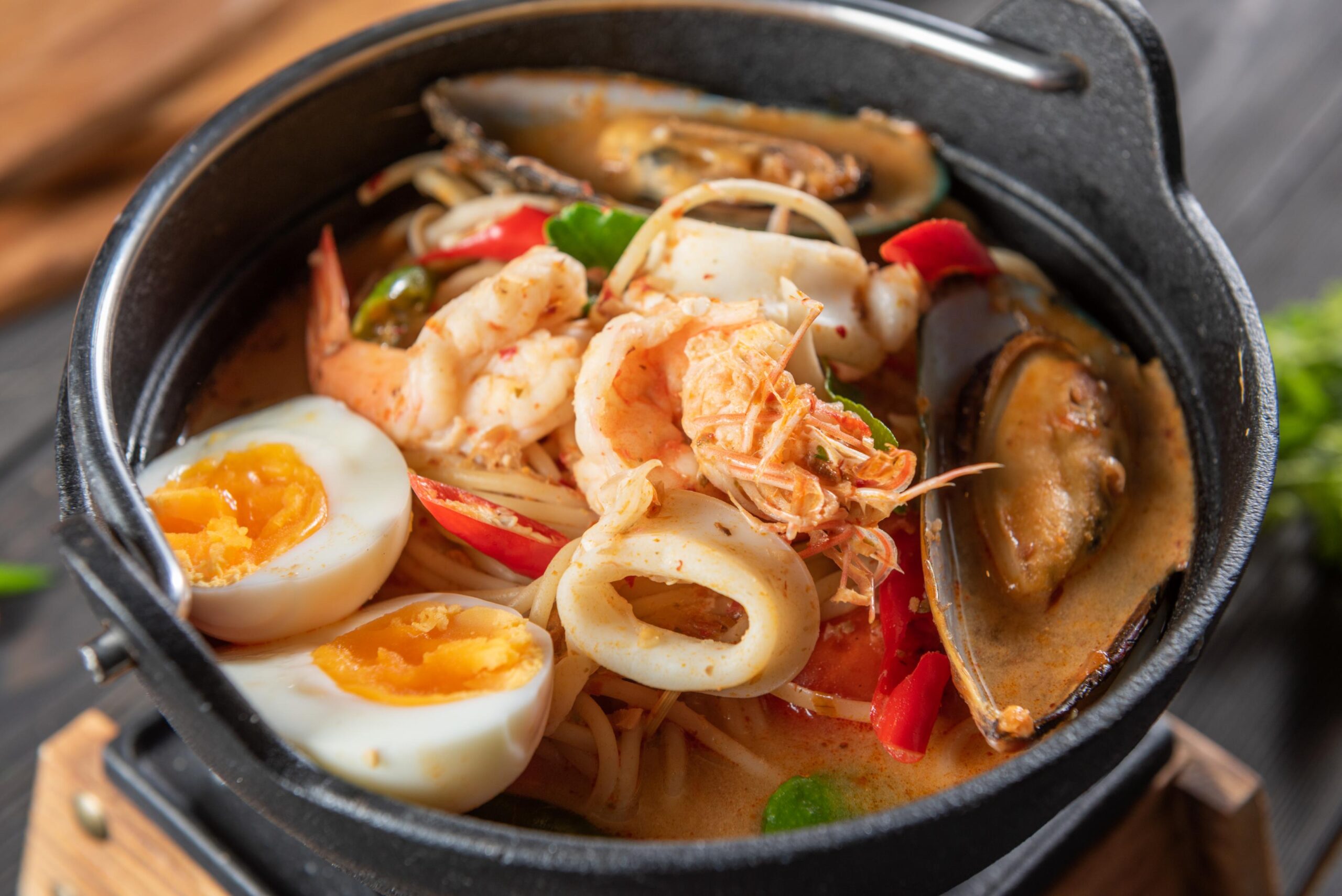
Pen Cai has its roots in the walled villages of Southern China, particularly in Hong Kong’s New Territories. Legend traces its origins to the Song Dynasty (960–1279 AD), when villagers prepared a grand feast to serve the fleeing emperor and his army. Without enough serving vessels, they layered their best ingredients—pork, radish, vegetables, and more—into large basins, creating what we now know as Pen Cai.
Over time, this communal dish became a staple for Chinese festivals, weddings, and ancestral ceremonies. Today, it remains a beloved centerpiece for reunion dinners, representing family unity, abundance, and shared heritage.
Why Pen Cai is Perfect for Chinese New Year
1. Symbolism of Unity and Abundance
The circular pot represents harmony and wholeness, mirroring the values of Chinese New Year. Families gather around a single pot, reinforcing bonds and sharing the blessings of the new year. Ingredients like abalone, Hokkaido scallops, and bamboo pith symbolize wealth, happiness, and health, making Pen Cai a meaningful choice for festive meals.
2. Convenience for Busy Hosts
Hosting a reunion dinner can be overwhelming, especially with large guest lists. Pen Cai simplifies the process by combining main courses—meat, seafood, vegetables—into one dish. Options like Pen Cai delivery or pickup orders further ease the burden, allowing families to focus on celebrating.
3. Flexibility for Gatherings
Pen Cai caters to various group sizes, with options for 6, 8, or 10 pax. Whether you’re hosting at home or dining in at a restaurant, it’s an ideal solution for multi-generational gatherings where everyone can enjoy the mix of premium ingredients.
It’s also the kind of communal feast that fits right into the spirit of supper secret clubs singapore—intimate, food-led gatherings where the table becomes the main event, conversations stretch late into the night, and sharing good food is the whole point.
Pen Cai Delivery and Pickup Orders
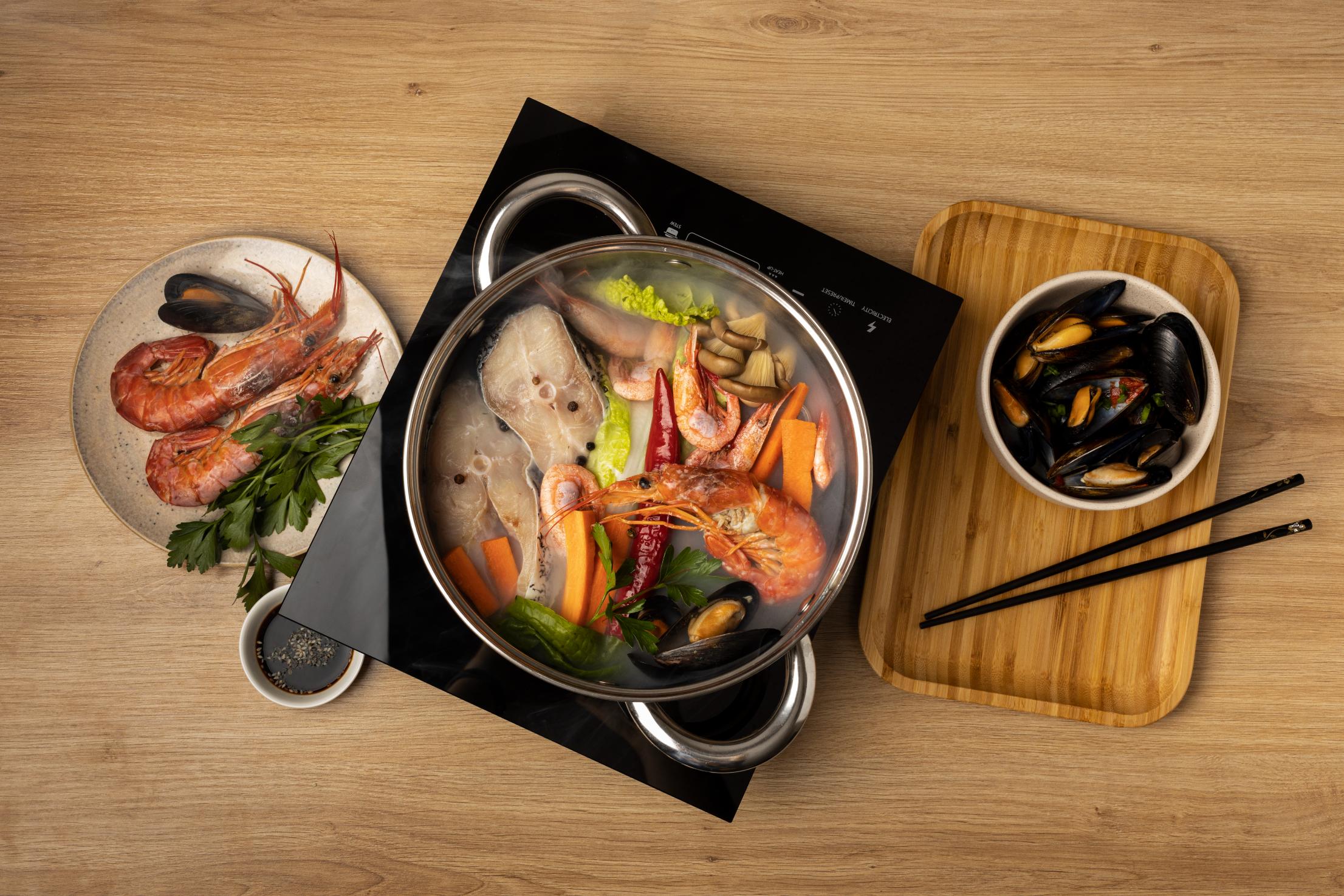
In Singapore, Pen Cai delivery and pickup options have transformed the way families celebrate Chinese New Year. Delivery logistics often include island-wide delivery, with fees applied for orders below a certain min spend, typically around $130–$150. Reputable vendors are keeping an eye on their offerings and prepare ingredients close to delivery time to ensure freshness. Restaurants and outlets now offer pre-order services, allowing customers to enjoy freshly packed Pen Cai at home. When opting for self-collection, it is important to pick a suitable pickup time to ensure your meal is ready and at its best. Most establishments require at least 2 to 3 days advance notice for Pen Cai orders, especially during Chinese New Year.
How It Works
- Choose Your Base: Select traditional or modern variations, such as vegetarian options or dishes featuring Buddha Jumps Over the Wall.
- Order in Advance: Most outlets require advance orders to ensure freshness and availability of premium ingredients like abalone and Hokkaido scallops.
- Pickup or Delivery: Decide whether to collect your dish in person or opt for doorstep delivery.
- Reheat and Serve: Pen Cai typically comes packed with reheating instructions, making it easy to prepare for serving.
Check restaurant menus for details on available options, including festive bundles that include Pen Cai alongside other Chinese New Year dishes. Note that some outlets offer promotions for early purchases, so it’s wise to plan ahead.
Beyond the festive table, it can also be interesting to see how the broader dining scene continues to evolve throughout the year. For further reading, learn more here.
What Goes Into a Traditional Pen Cai?
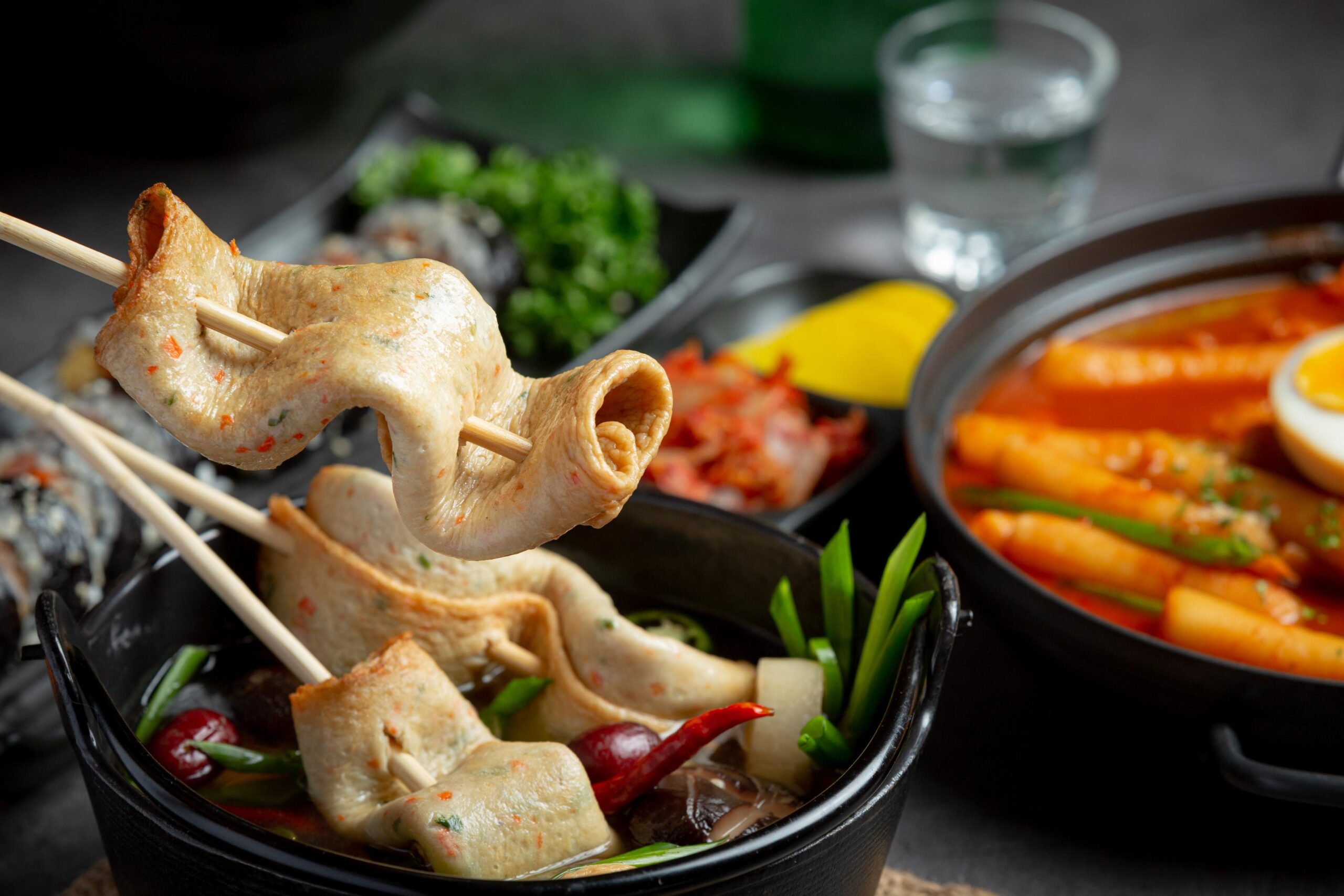
Every layer of Pen Cai is carefully curated to create the perfect balance of taste, texture, and symbolism. Some variations of Pen Cai include eggs as a key ingredient, reflecting their importance in both savory and sweet Chinese dishes. Here’s a breakdown of its components:
Pen Cai is often served with a rich braising gravy that enhances the flavors of the layered ingredients.
The Base Layer
This layer absorbs the rich gravy that trickles down from above, ensuring every bite is flavorful.
- Radish (Cai Tou): Signifies good fortune and acts as a sponge for the sauce.
- White Fungus: Adds a chewy texture and symbolizes health.
- Tofu Skin: Smooth and tender, it absorbs the savory juices.
- Pig Skin: Becomes soft and gelatinous after braising.
The Middle Layer
Hearty proteins form the core of the dish, providing sustenance and depth.
- Roast Pork (Siu Yuk): Adds a smoky aroma and richness.
- Shiitake Mushrooms: Earthy and umami-packed.
- Chicken or Duck: Often roasted or braised for tenderness.
The Top Layer (The Crown)
This is the showcase layer, featuring premium ingredients that impress guests and symbolize prosperity.
- Abalone: A luxury item representing abundance.
- Hokkaido Scallops: Sweet and tender, they add a touch of elegance.
- Bamboo Pith: A prized ingredient for texture and symbolism.
- Prawns: Their bright red color symbolizes joy and celebration.
- Fat Choy (Black Moss): Sounds like “Fa Cai,” meaning wealth and prosperity.
Modern Variations of Pen Cai
In addition to traditional recipes, modern variations cater to diverse tastes and dietary needs.
- Buddha Jumps Over the Wall: A luxurious version featuring premium items like shark fin, sea cucumber, and fish maw.
- Vegetarian Pen Cai: Packed with mushrooms, tofu, and root vegetables, it’s perfect for those observing religious or ethical diets.
- Halal Options: Some outlets offer halal-certified Pen Cai using chicken, beef, and seafood, ensuring inclusivity.
How to Serve and Enjoy Pen Cai
Reheating Instructions
- Gently simmer the pot over low to medium heat.
- Add a splash of water or stock if the gravy thickens too much.
- Cover the pot and reheat until the center is piping hot.
Sharing the Dish
- Place the Pen Cai in the center of the table as the focal point.
- Serve layer by layer, starting from the top. Use communal utensils to transfer portions to individual bowls.
- Pair the dish with steamed white rice to balance its rich flavors.
Pen Cai vs. Other Reunion Dishes
Yu Sheng (Lo Hei)
Yu Sheng is an appetizer where diners toss raw fish salad for good fortune. It’s interactive and ritualistic, often preceding the main meal. Pen Cai, on the other hand, is the star of the feast, offering sustenance and comfort.
Hotpot (Steamboat)
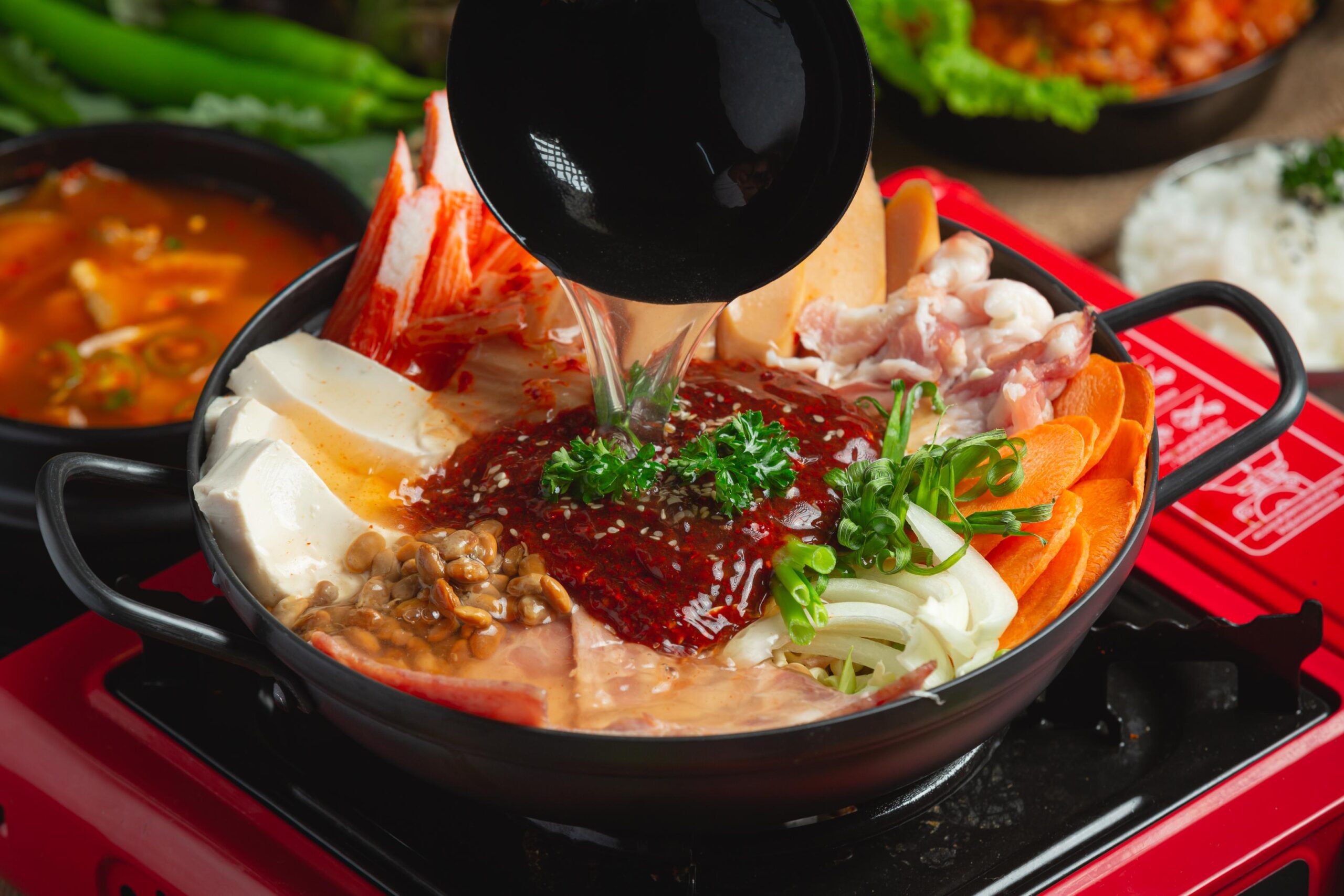
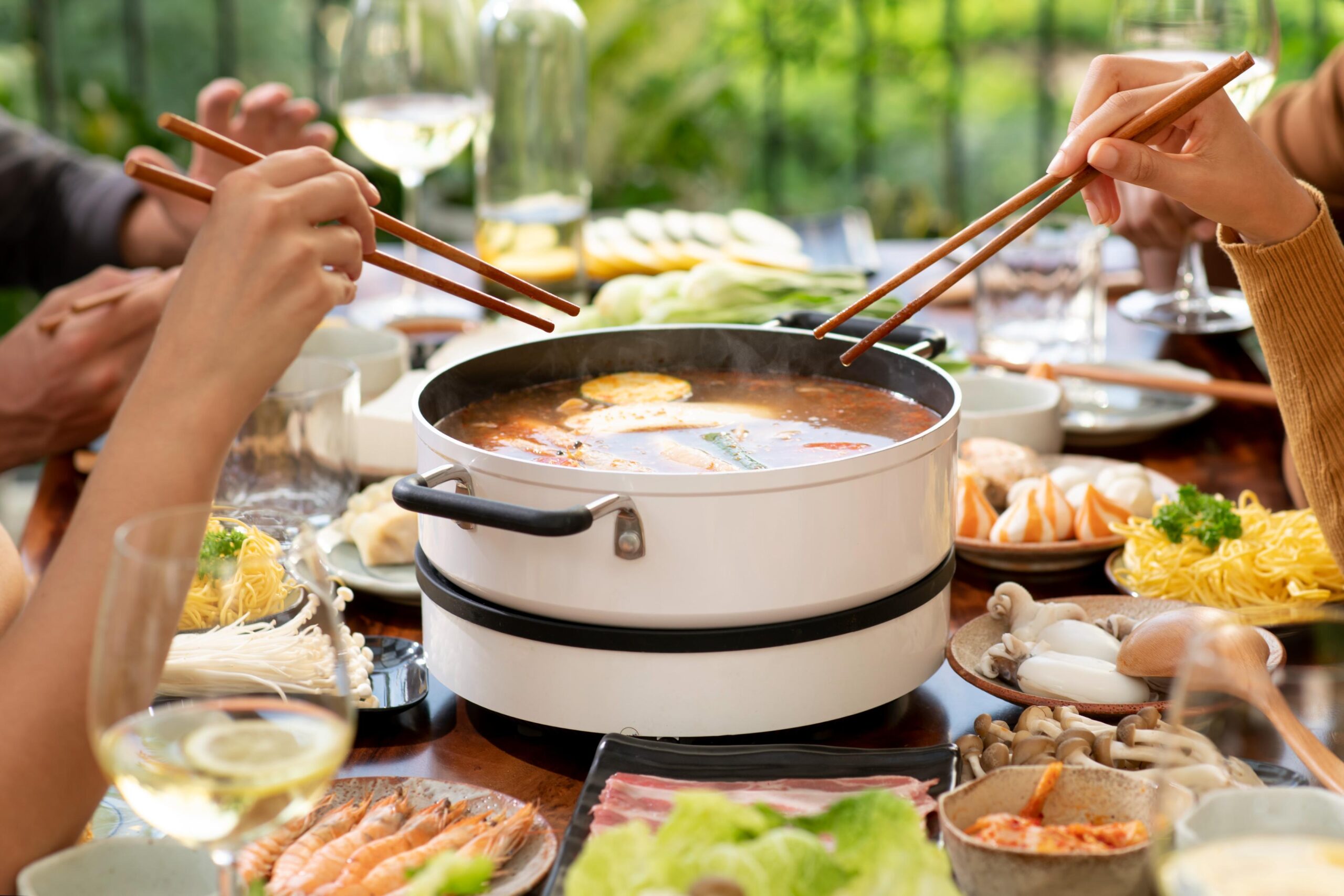
Hotpot involves cooking raw ingredients at the table in a soup base. It’s customizable and interactive but lacks the deep, braised flavors of Pen Cai, which is cooked beforehand.
Roast Meats
While roast pork and duck are standalone dishes, they are often key components of Pen Cai, adding depth and smokiness to the layered pot.
Pen Cai in Singapore
Pen Cai has become a festive staple in Singapore, offered by both Michelin-starred restaurants and neighborhood outlets.
Pen Cai Delivery and Dine-In Options
- Delivery: Perfect for those celebrating at home. Many restaurants offer doorstep delivery, packed for convenience. Simply reheat and serve.
- Dine-In: Enjoy Pen Cai freshly prepared by chefs at select outlets, complete with expert presentation and service.
Pre-Order and Advance Planning
To ensure availability, it’s recommended to order in advance. Some restaurants also offer early bird promotions in December and January.
Conclusion
Pen Cai is more than just a dish—it’s a celebration of family, heritage, and abundance. Whether you choose delivery, dine-in, or pickup, this one-pot feast brings loved ones together in harmony. With its layers of premium ingredients and rich flavors, Pen Cai remains the perfect centerpiece for Chinese New Year reunions.
As you gather with family and friends this festive season, consider making Pen Cai a part of your celebration. Its convenience, symbolism, and taste make it an unforgettable addition to any dining table. Start planning your order today and experience the joy of sharing this iconic dish with those who matter most.