
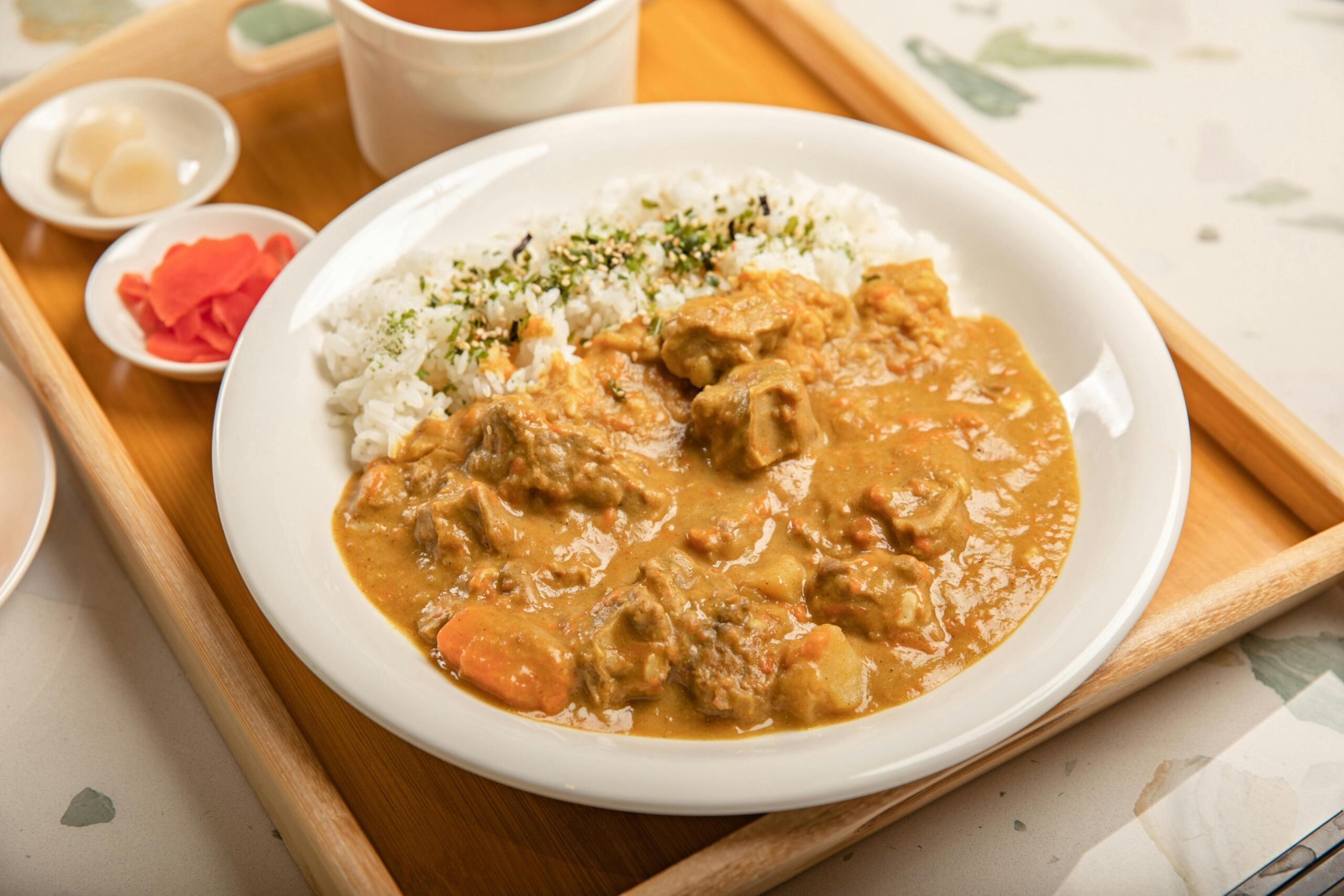
It is 1:00 PM on a Tuesday in the Central Business District. The air conditioning in the basement food court is battling the humidity from the streets above. Amidst the clatter of trays and the hum of conversation, you spot it: a queue forming not for the latest viral sensation, but for a simple, unassuming stall. The smell is distinct warm, earthy, slightly sweet, and unmistakably savoury.
It is a scene played out daily across the island, from bustling mall basements to quiet neighbourhood coffee shops. While other food trends explode and fade with the seasons, the presence of Japanese curry Singapore residents enjoy remains constant. It doesn’t scream for attention. It simply exists, offering a reliable anchor in a chaotic day. It is the culinary equivalent of a warm hug steady, unpretentious, and always there when you need it. At EatPlayStay.com.sg, this kind of everyday food story is what reveals how deeply certain Japanese curry dishes become woven into Singapore life.
Why Japanese Curry Singapore Works: The Appeal of Curry Rice
There is a reason this curry rice dish has become a staple in our local dining scene. Singapore is a rice-loving nation, and mixing rich, flavourful curry sauce with steaming rice is deeply satisfying. Japanese curry rice offers a milder, sweeter variation compared to the fiery curries of our Indian or Peranakan heritage.
Its balanced flavour, savoury yet sweet, thick yet pourable, appeals to many. It bridges the gap between the foreign and familiar, suitable for children wary of chilli and grandparents seeking comfort. Japanese curry rice is typically milder and sweeter than spicier Southeast Asian curries.
You can customise the spiciness from mild to spicy, even adding an extra kick with chilli padi or hot sauce. It invites you to enjoy its thick, velvety texture and deep, savory flavor. The standard base includes onions, carrots, potatoes, and meat (usually pork, beef, or chicken), creating a hearty, comforting taste.
In Singapore, Japanese curry rice is known for great value, with generous portions, authentic flavour, and affordability making it a satisfying meal choice.
10 Japanese Curry Rice Gems in Singapore: Savor Authentic Flavors and Local Favorites Including Maji Curry and Coco Ichibanya
The journey of Japanese curry Singapore culture mirrors its history in Japan. Originally introduced to Japan by the British (who brought their anglicised version of Indian curry), it was adapted into yoshoku Western-influenced Japanese cuisine designed to be practical, nutritious, and filling.
1. Maji Curry
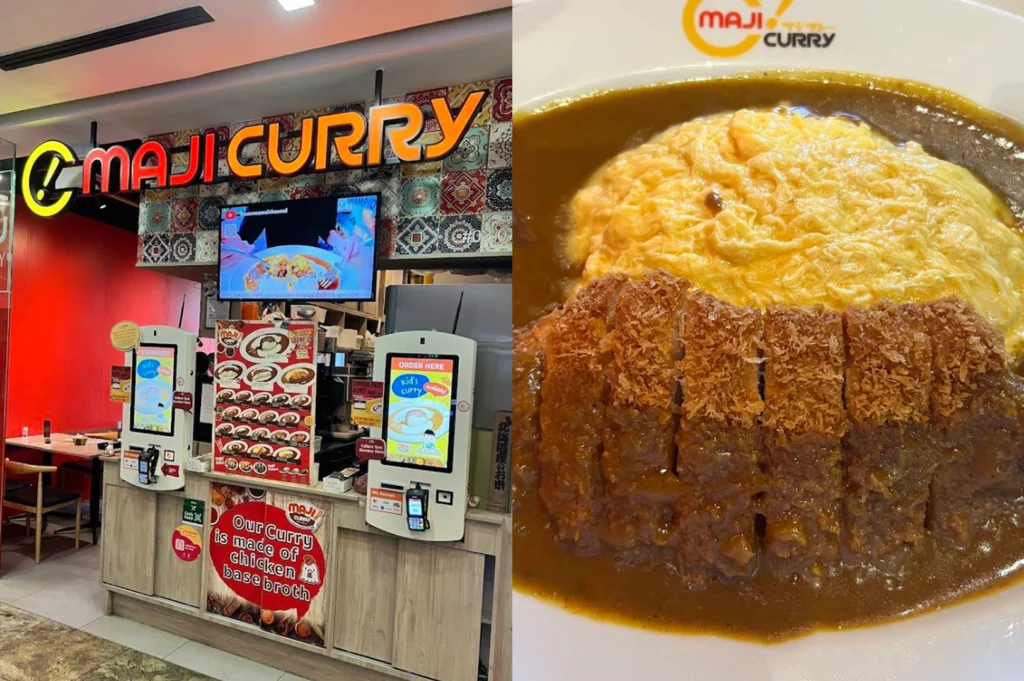
Maji Curry brings award-winning Japanese curry to Singapore with its outlet at Novena Square 2. Having won the Kanda Curry Grand Prix in 2018 and 2022, Maji Curry is known for its rich, velvety curry sauce slow-cooked for 100 hours with a blend of 10 spices. The Hamburger Steak Sauce Curry Rice ($14.30) features a tender hamburger steak coated in this deep, savory curry with a subtle sweetness.
I visited on a weekday afternoon and enjoyed the flavorful Tonkatsu Omelette Curry ($14.50), where a fluffy omelette covers rice topped with a crispy pork cutlet and generous curry sauce. The small space fills up during peak hours, so visiting off-peak is best for a quieter experience. Open daily from 11 am to 9:30 pm, Maji Curry is perfect for casual dining with friends or solo meals, offering authentic Japanese curry with refined flavors and customization options.
2. Coco Ichibanya
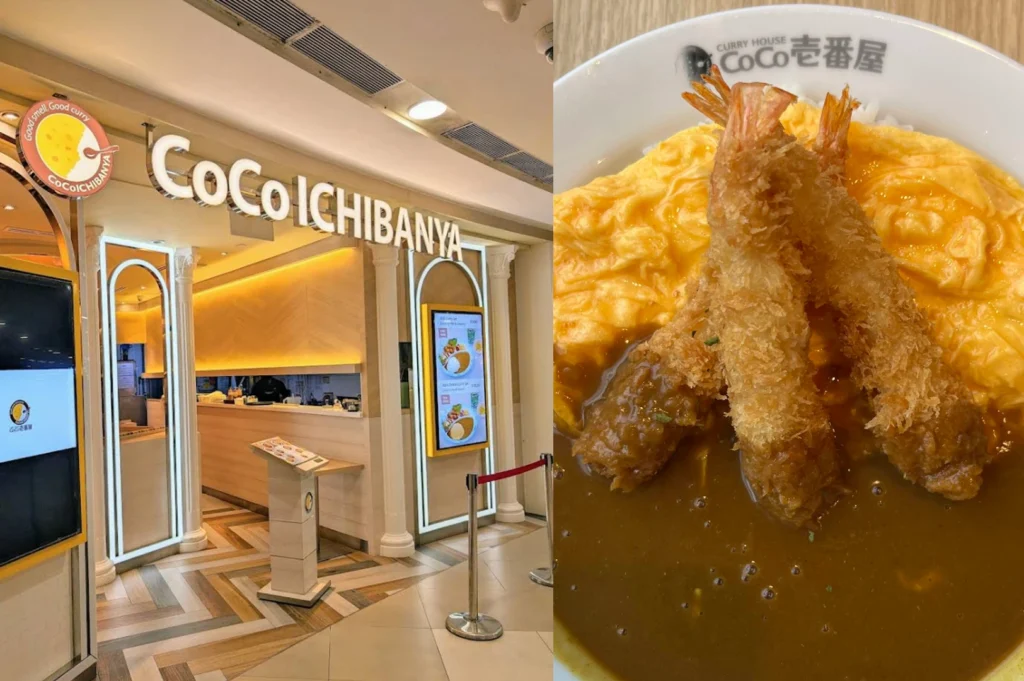
Coco Ichibanya is the leading Japanese curry rice chain in Japan, with multiple outlets in Singapore. It allows customers to fully customize their Japanese curry rice, including portion size, spice level, and choice of sauces. Their Pork Cutlet and Cheese Curry is priced at $16.50, and the diverse menu features donburi, udon, and even seafood curry. Set meals often include a drink, enhancing the dining experience.
Coco Ichibanya’s curry is known for its thick, mildly sweet flavor profile and the ability to add various toppings such as cheese, vegetables, and meats. The chain’s opening hours typically range from 11 am to 9:30 pm, with some outlets open later on weekends.
3. Gochi-So Shokudo
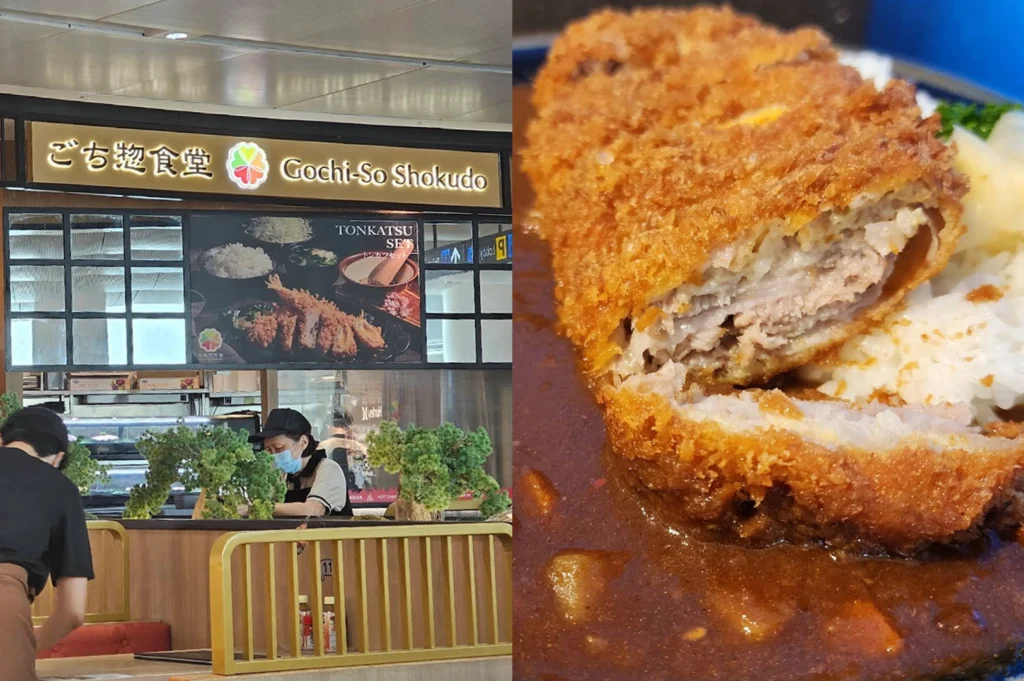
Gochi-So Shokudo at Jewel Changi Airport is renowned for premium cuts like the Bellota loin katsu curry and Iberico pork, with signature dishes such as the Collar Mille Feuille Katsu Curry priced at $17.50. The katsu is sliced thin for a tender, succulent bite, paired with rich, flavorful katsu curry sauce and options including unagi. The restaurant offers a comfortable, casual setting with ample seating and operates daily from 11:30 am to 9:30 pm, making it ideal for both lunch and dinner.
During my weekday visit, the service was attentive and the atmosphere conversation-friendly, perfect for casual dining. The Bellota loin katsu curry stood out with its crispy exterior and juicy pork, complemented by the thick, velvety curry sauce that balanced savory and subtle sweetness. Perfect for those craving authentic, high-quality Japanese curry dishes in Singapore with a focus on premium ingredients and meticulous preparation.
4. Maruhachi Donburi & Curry
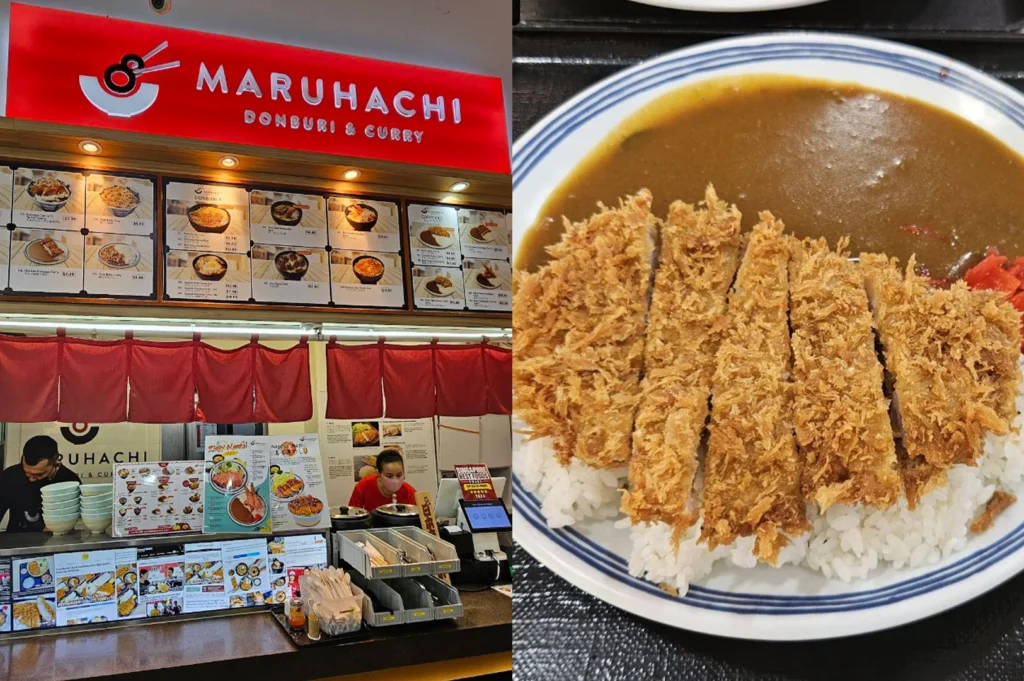
Maruhachi Donburi & Curry offers affordable and satisfying Japanese curry rice across multiple outlets in Singapore. The regular Pork Katsu Curry ($9.80) features thinly sliced, juicy pork cutlet with a crispy exterior, paired with a well-balanced curry sauce that is mildly sweet and savory. The menu also includes maruhachi donburi, seafood curry, and other classic dishes. Outlets typically open from 11 am to 9 pm, providing convenient options for lunch or dinner. The use of fresh panko breadcrumbs and 100% cottonseed oil ensures the katsu stays light and crispy.
During my weekday visit, the atmosphere was casual and the seating comfortable enough for small groups or solo diners. The curry had a velvety texture with a gentle spice level, making it approachable for all palates. Perfect for budget-conscious diners craving authentic Japanese curry rice without sacrificing quality. Avoid peak hours to skip the short wait and enjoy a relaxed meal.
5. Monster Curry
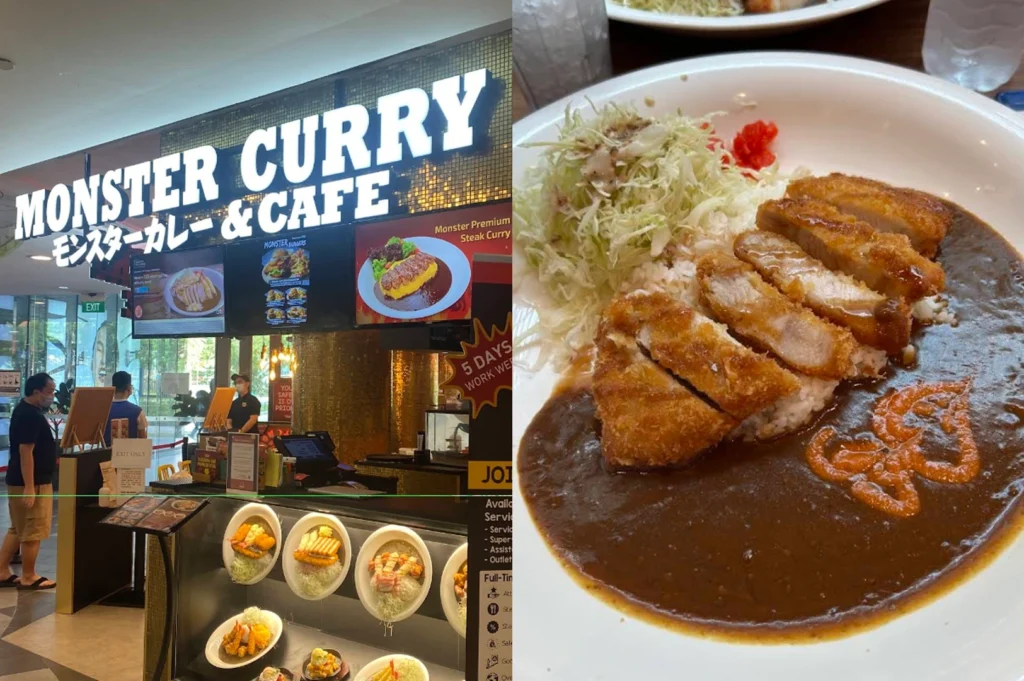
Monster Curry is famous for its signature demi glace curry served in large portions. Their demi glace Japanese curry sauce is a rich concoction of 14 different spices and vegetables, including garlic and ginger. Diners can choose from five different levels of spiciness, adding an extra kick with their house-made hot sauce and chilli padi. The Pork Shabu-Shabu Omelette Curry is priced at $14.90, with a menu featuring beef, seafood, and donburi options. Monster Curry outlets generally operate from 11 am to 10 pm, catering to both lunch and late dinners. The restaurant is known for generous portions served on iconic large plates, perfect for sharing.
6. YAO Cutlet & Katsuya
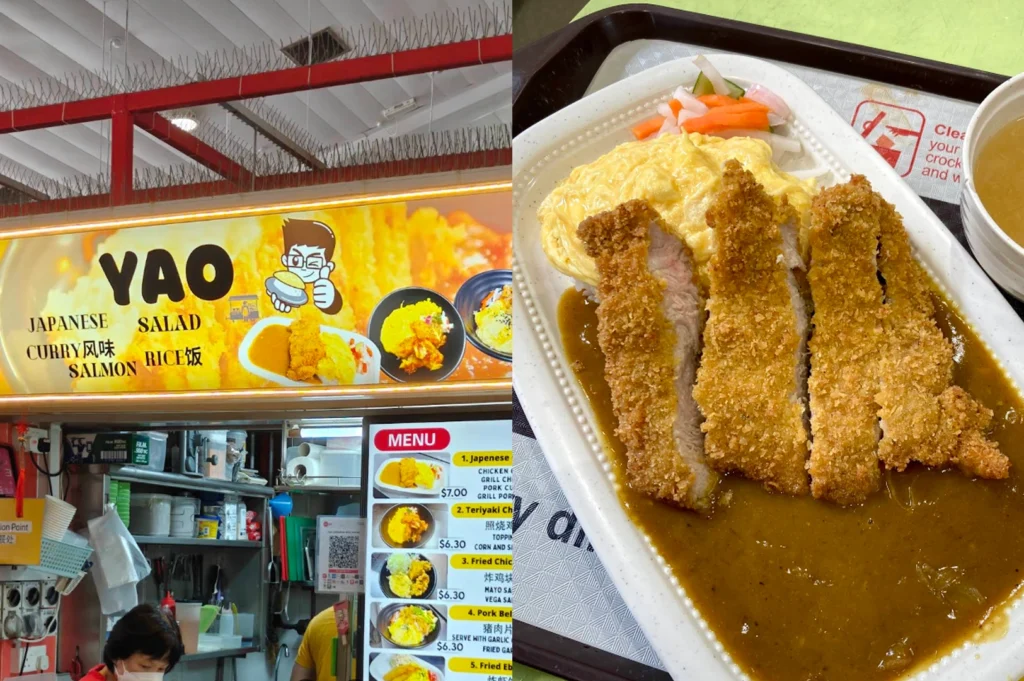
For affordable Japanese curry rice, YAO Cutlet serves a hearty plate for just $6.90 at a hawker stall in the CBD. Their Japanese Curry and Chicken Cutlet dish features a silky, runny omelette atop rice with a spicier-than-usual curry sauce. YAO Cutlet operates weekdays from 9:30 am to 3:30 pm.
Meanwhile, Katsuya stands out for its wide range of katsu offerings, crafted by a chef who graduated from Tokyo Culinary School, with prices ranging from $25 to $60 depending on the meat of choice. Katsuya’s opening hours are Tuesday to Sunday, 12 pm to 2:30 pm and 6 pm to 9:30 pm, offering a higher-end dining experience with free-flow cabbage and rice included in sets.
7. Japan Rail Cafe
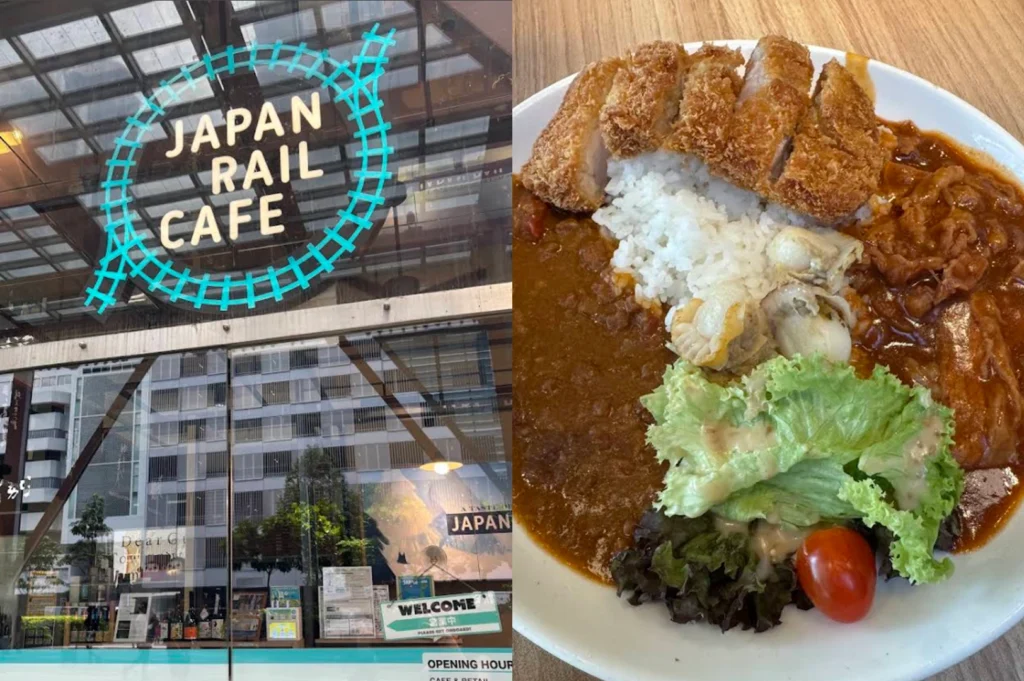
Japan Rail Cafe offers authentic Japanese curry dishes like Watashino Curry Rice and Hayashi Rice in a unique tourism-themed café setting at Guoco Tower. I visited on a weekday evening and found the atmosphere casual and conversation-friendly, with cozy seating perfect for solo diners or small groups. The curry was flavorful with a balanced mild sweetness and subtle spice, ideal for those seeking a comforting meal while planning their next trip to Japan. The café is open daily from 11 am to 9 pm, with extended hours on Fridays and Saturdays.
Perfect for casual meals and Japan travel enthusiasts, Japan Rail Cafe combines great food with a relaxed vibe. Avoid if you’re in a rush, as service can be leisurely, allowing you to savor the curry and soak in the travel-themed ambiance.
8. Karekami
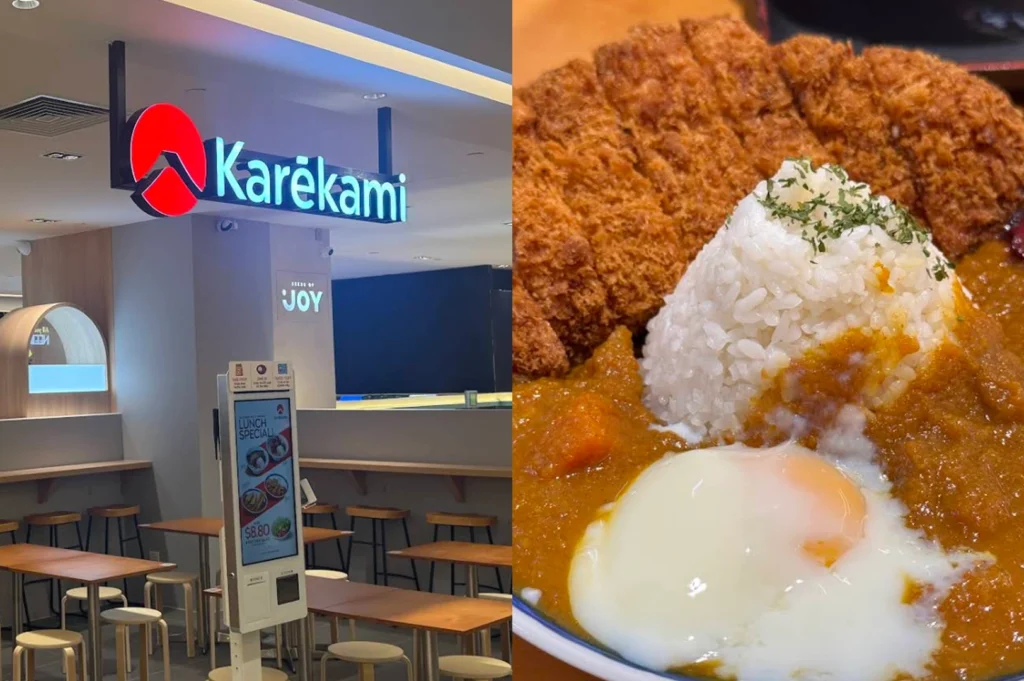
Karekami in Tang Plaza blends traditional Japanese curry with local Singaporean flavors, serving popular dishes such as Pork Tonkatsu Curry Rice and Karaage Curry Udon, perfect for a quick, comforting meal. Karekami’s opening hours are from 11 am to 9 pm daily. Their curries are known for a hearty, rich flavor with generous portions, making it a favorite for office workers and shoppers alike.
9. Donburi Maruya
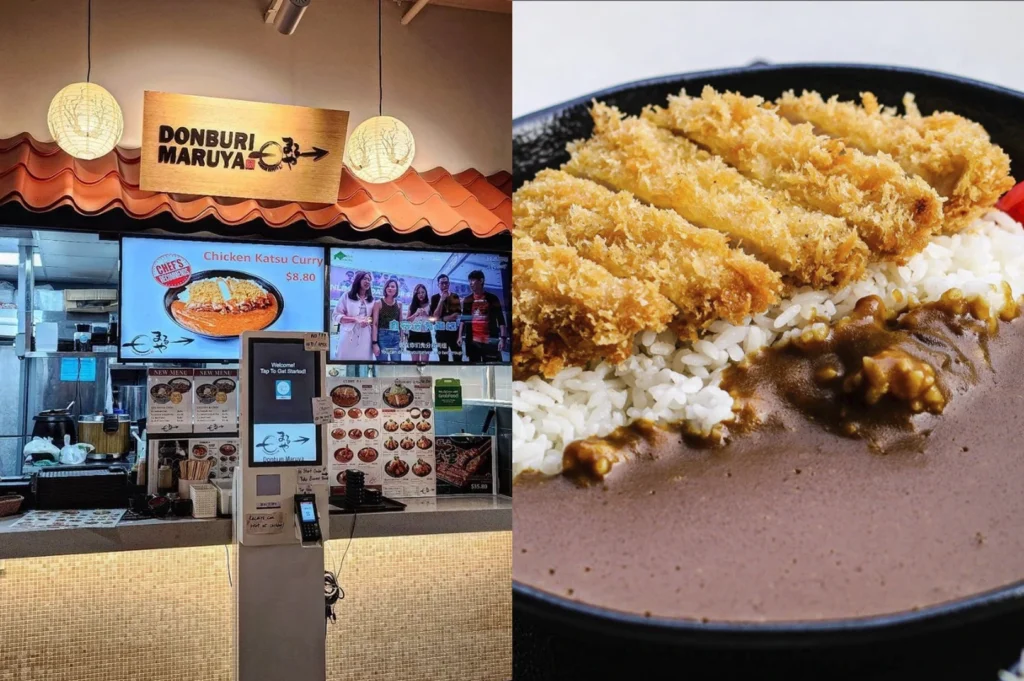
Donburi Maruya at Lor Chuan offers a variety of curry rice options including Pork Katsu Curry and Chicken Karaage Curry, known for their well-prepared katsu and flavorful curry sauce. Open daily from 11 am to 10 pm, Donburi Maruya’s menu balances affordability with quality, serving both locals and visitors with consistent, tasty meals.
These diverse options showcase the vibrant Japanese curry scene in Singapore, catering to various tastes and budgets. Across these restaurants, you’ll find dishes featuring beef, seafood, donburi, udon, and unagi, often made with unique spice blends including garlic and ginger. Whether you crave a crispy deep fried chicken cutlet, rich seafood curry, or satisfying pork fillet katsu curry, Singapore’s Japanese curry scene has something for every palate.
10. Kuro Kare
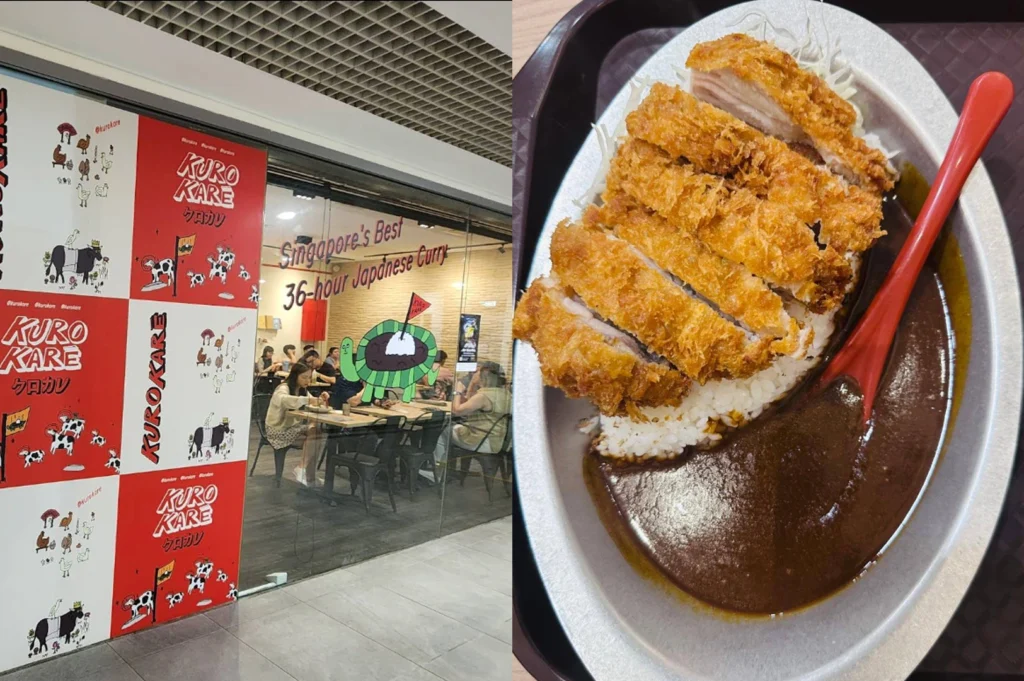
Another must-visit spot for Japanese curry lovers in Singapore is Kuro Kare, famed for its unique ‘black curry‘ style that delivers a rich, deep flavor and distinctive dark hue. Located at Millenia Walk, Kuro Kare serves Japanese curry dishes featuring delicate cuts like Spanish pulled pork and thinly sliced Australian ribeye. Their Melty Beef curry ($16.90) is a standout, with tender black Angus short ribs slow-cooked to perfection, offering a luxurious, melt-in-your-mouth experience.
I visited on a weekday afternoon when the atmosphere was calm and the seating comfortable, making it ideal for solo diners or small groups. The curry’s bold, velvety texture paired beautifully with the succulent meat, balancing savory richness with subtle sweetness. Kuro Kare’s opening hours are typically from 11 am to 8 pm on weekdays, perfect for lunch or dinner. Perfect for those seeking a modern twist on classic Japanese curry with premium ingredients; avoid if you prefer a quick meal, as the relaxed pace encourages savoring every bite.
The Emotional Side of Chicken Katsu Curry Rice and Katsu Curry in Singapore: Comfort and Routine
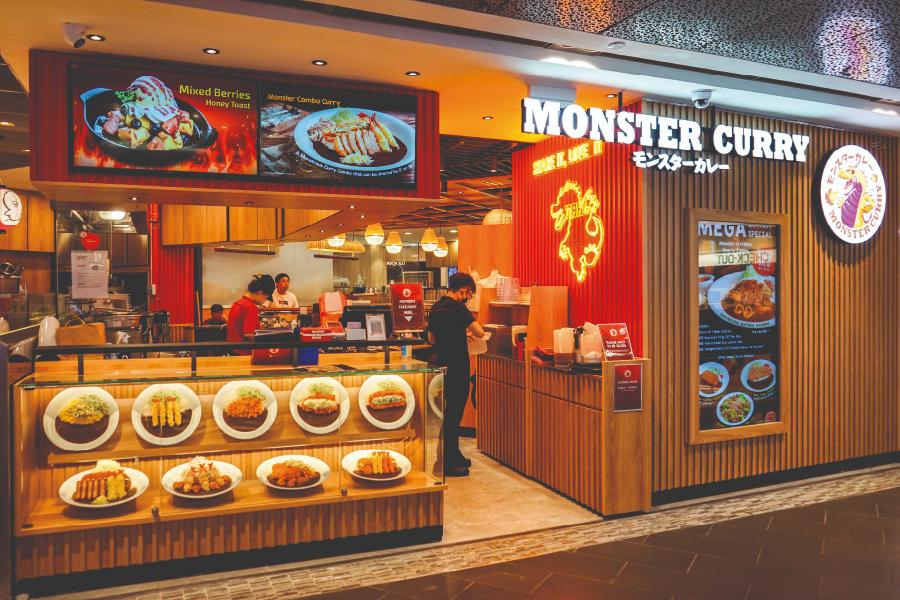
The true success of katsu curry Singapore lies in its emotional appeal. It’s the go-to meal for an exhausted student or a solitary office worker craving comfort. When you order chicken katsu curry rice, pork katsu curry, or pork cutlet omelette curry, you know exactly what to expect: crispy cutlet, tender carrots and vegetables, and rich curry sauce. In a fast-changing city, this reliable, comforting food is like watching a favorite movie again not for surprise, but for the feeling.
Home Kitchens and DIY Culture: Preparing Japanese Curry at Home
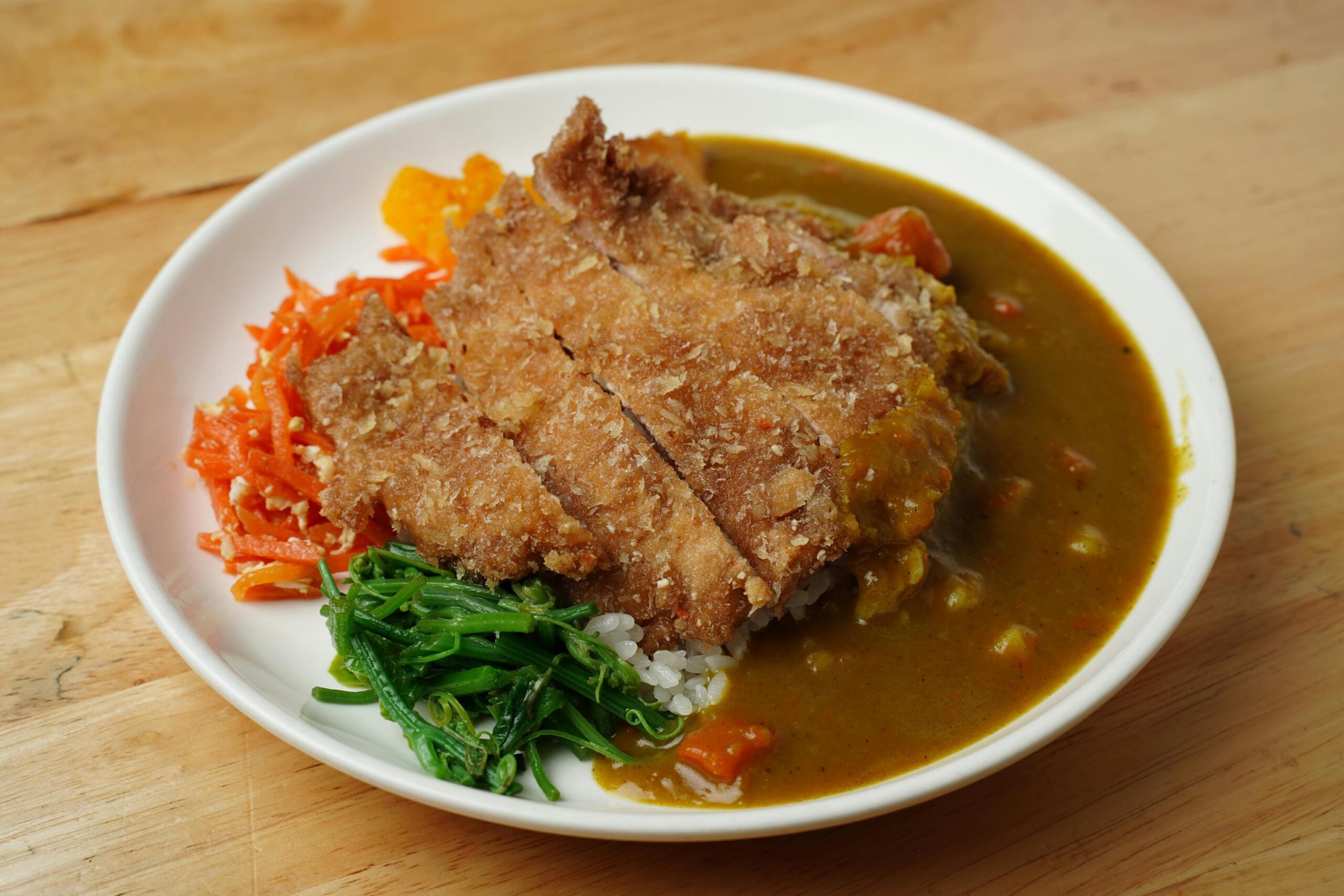
This love affair has quietly migrated from the restaurant table to the kitchen counter. Walk down the aisle of any local supermarket, and you will see boxes of curry roux Japan Singapore imports stacked high. It speaks to a DIY culture where convenience meets care.
For busy parents and professionals, breaking off a block of roux into a pot of stewing meat, carrots, celery, onions, and other vegetables is a weekday lifesaver. It transforms humble ingredients into a cohesive meal in twenty minutes. This transition from eating out to cooking in solidifies the bond. It suggests that Japanese curry isn’t just a visitor anymore; it has been granted permanent residency in our domestic lives.
Closing: A Quiet, Lasting Relationship with Japanese Curry Rice in Singapore
We often talk about food in terms of hype the queues, the Instagram posts, the “must-try” lists. But the relationship Singapore has with Japanese curry is deeper than that. It is a long-term commitment, devoid of drama.
There are no frantic trend cycles here. The curry rice shop doesn’t need to reinvent itself every six months. It just needs to keep the curry sauce warm and the rice fluffy. This casual culinary love story endures because it asks for nothing and gives everything. It is a small, quiet, brown-sauced part of Singapore’s identity a reminder that sometimes, the best meals are the ones that simply let us be.