
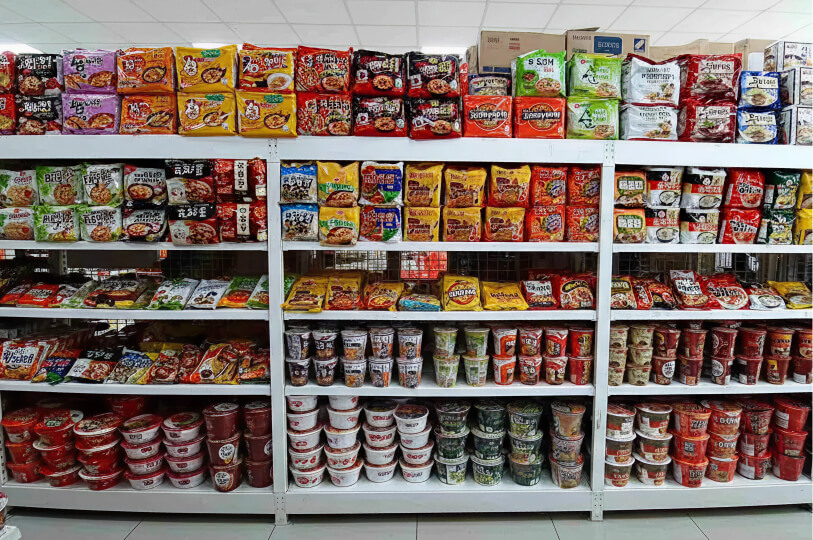
We often think of a city’s food culture through its restaurants. They’re the public-facing stages where chefs perform and diners applaud. But behind this vibrant dining scene lies a quieter, more fundamental system: the infrastructure that feeds people at home. In Singapore, this system is a rich network of wet markets, neighborhood grocers, and sprawling supermarkets. Over the last decade, a new and significant thread has been woven into this fabric: the Korean grocery in Singapore.
The rise of Korean marts isn’t just a trend or retail phenomenon; it addresses a real need. These stores are essential infrastructure, enabling a specific style of home cooking to flourish. They serve as bridges, connecting the excitement of a Korean barbecue restaurant with the comfort of a weeknight meal cooked in your own kitchen. To truly understand their role is to see how a foreign cuisine becomes integrated into the home.
Why Korean Grocery in Singapore Is More Than Retail
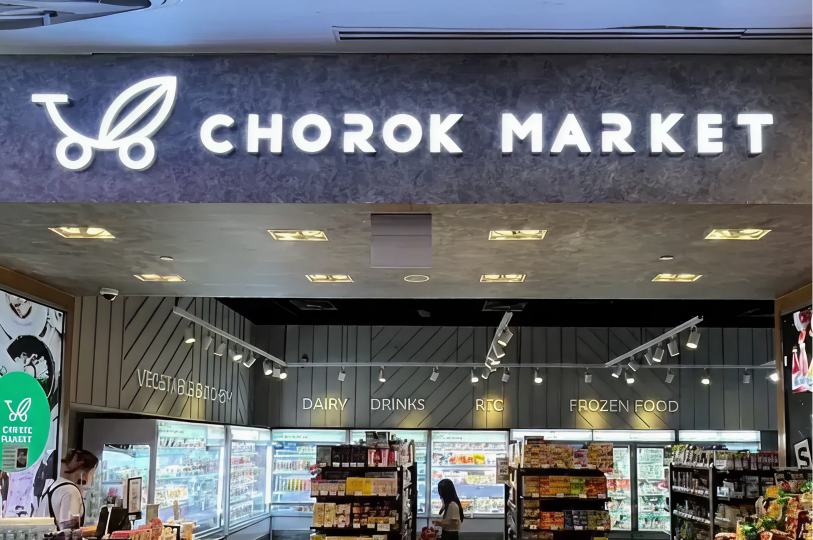
It’s tempting to see specialty grocery stores as lifestyle destinations, places for an occasional treat or novelty purchase. However, this view overlooks their functional role. Korean marts like Sol Mart and Chorok Market are designed to provide everything needed for authentic Korean cooking, ensuring consistency and quality in home kitchens.
Unlike mainstream supermarkets that offer a shallow variety of international goods, Korean marts specialize in depth. For example, a Korean grocery doesn’t just stock Kimchi—it offers multiple varieties, differing in spice, age, and vegetables. Similarly, they provide a wide range of Gochujang, tailored for different flavor profiles. This depth isn’t a luxury; it’s a necessity for home cooks who rely on these nuanced ingredients to create authentic dishes. These stores aren’t about novelty—they’re about continuity.
Types of Korean Grocery Stores in Singapore
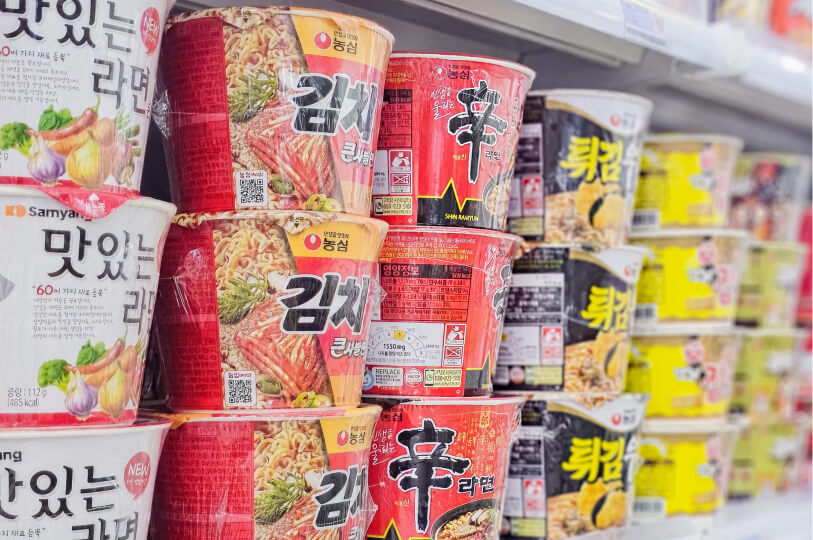
Singapore’s appreciation for Korean cuisine is well-served by an extensive network of Korean grocery stores—commonly referred to as Korean marts—distributed throughout the island. These establishments cater to diverse customer needs, from experienced home cooks seeking authentic Korean ingredients to newcomers exploring popular Korean snacks. Whether the requirement is quick meal solutions through instant noodles or comprehensive ingredients for home Korean barbecue preparation, we find Korean marts positioned to address these varied shopping priorities.
Established retailers such as Sol Mart, Chorok Market, and The Butcher’s Dining each offer distinct advantages suited to different customer preferences. Sol Mart serves as an ideal choice for shoppers prioritizing comprehensive selection, featuring extensive Korean snack varieties, essential pantry items, and fresh produce—making it well-suited for both routine shopping and specialty purchases. Chorok Market proves particularly valuable for those focusing on fresh vegetable selection and curated banchan options, while The Butcher’s Dining caters effectively to customers seeking premium meat cuts and convenient ready-to-cook solutions, ideal for recreating restaurant-standard dishes at home.
Accessibility remains a key consideration for Singapore shoppers, and Korean marts deliver practical convenience across multiple fronts. We observe these stores strategically located in both central urban areas and suburban neighborhoods, ensuring convenient access to Korean food products regardless of residential location. Most establishments maintain consistent operating schedules throughout the week, including Friday and Saturday availability, allowing flexible shopping timing that accommodates diverse customer schedules.
For shoppers with specific product requirements, many Korean grocery stores concentrate on popular categories including dumplings, Kimchi, and Banchan selections, ensuring reliable access to authentic flavors. The expanding online shopping infrastructure further enhances accessibility, enabling convenient ordering of preferred Korean products with direct home delivery—effectively bringing Korean culinary culture directly to Singapore households.
Whether serving longtime Korean cuisine enthusiasts or those beginning their exploration of Korean food culture, Singapore’s comprehensive Korean mart network facilitates straightforward product discovery, unique snack exploration, and engagement with Korean culinary traditions. With numerous options available across the island, each shopping visit presents opportunities to explore new products and integrate additional Korean elements into home cooking routines.
From Butcher’s Dining to Home Kitchens: Filling the Gap
Dining at a Korean restaurant like Butcher’s Dining is often an event. Butcher’s Dining is a premium Korean retail and dining establishment that combines a butchery, restaurant, and grocery store, offering gourmet meats, artisanal Korean products, and an all-day café experience. The Butcher’s Dining offers premium Korean meat cuts and artisanal Korean goods. It’s about sizzling grills, elaborate Banchan (side dishes), and the joy of communal dining. While this is an exciting experience, it’s not representative of everyday eating. Home cooking is about routine, comfort, and practicality.
This is where Korean marts step in. They cater specifically to home kitchens by providing essential ingredients for simple, repeated meals. While a restaurant might showcase a complex 20-ingredient stew, a home cook needs to make a satisfying dish from pantry staples. Korean groceries understand this. Their shelves are stocked with the core components—fermented pastes, frozen dumplings, marinated meats—that enable anyone to prepare a quick tofu stew or noodle dish after a busy Friday or Saturday.
Seoul Butchery specializes in authentic Korean pre-marinated meats for home BBQ, making it a go-to for those looking to recreate restaurant-quality barbecue at home.
Sol Mart and Chorok Market: What Korean Groceries Make Possible
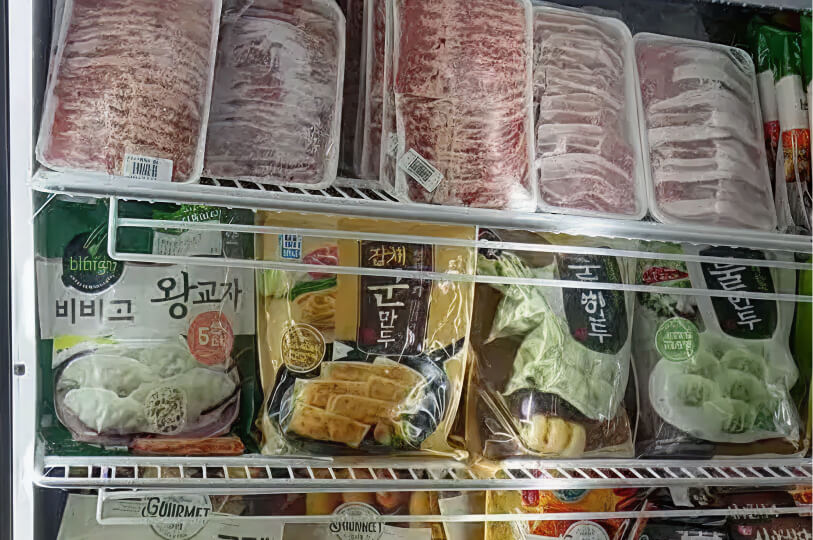
Korean groceries like Sol Mart and Chorok Market provide more than just variety; they make sustainable home cooking possible. Here’s how:
- Pantry Continuity: Korean cooking relies heavily on fermented sauces, pastes, and seasonings. These are not easily substituted, making a reliable supply essential. Korean marts ensure that products like Gochujang, Doenjang, and Sesame oil are always available, providing the foundation for any Korean dish.
- A Freezer-Centric Culture: A significant portion of a Korean mart is dedicated to frozen goods: dumplings (mandu), pre-sliced meats for grilling or hotpot, fish cakes, and rice cakes (tteokbokki). This freezer-focused approach is both practical and cultural, allowing home cooks to create hearty meals quickly. For busy individuals, having frozen options simplifies meal prep while maintaining authentic flavors.
- Repetition and Comfort: The best home cooking often revolves around a rotation of familiar dishes. Korean marts stock the ingredients required to replicate these staples consistently, whether it’s a comforting bowl of Kimchi stew or a quick serving of instant noodles. This predictability creates a sense of home and tradition.
Who Shops at Korean Groceries in Singapore?

Step into a Korean mart, and you’ll see a diverse mix of customers. Korean expatriates shop for familiar brands and bulk-buy essentials, ensuring they have a taste of home. Local Singaporeans, however, are increasingly visible in these stores. Young professionals pick up Korean snacks, frozen dumplings, or marinated meats for quick dinners. Families stock up on ingredients for a weekend barbecue, while curious home cooks explore items like fresh produce, fermented pastes, and Banchan.
Shopping patterns reveal a shift from occasional curiosity to regular habit. Singaporeans are no longer just dining out at Korean restaurants; they’re integrating Korean dishes into their weekly home-cooking routines. Korea Singapore connections have evolved from fleeting trends to deeply rooted culinary habits.
Korean Grocery in Singapore’s Food Ecosystem
Singapore’s food ecosystem is diverse and layered, with wet markets, mainstream supermarkets, and specialized grocers all playing distinct roles. Korean marts like Chorok Market and Sol Mart fill an important niche within this system.
Rather than competing with wet markets, they complement them. Shoppers might buy fresh vegetables and proteins from the wet market, then visit a Korean mart for the specific pastes, sauces, and frozen essentials needed to prepare a Korean meal. Similarly, Korean marts sit alongside Japanese grocers, each serving a unique culinary tradition with its own set of essential items.
These marts act as a “third space” in Singapore’s food landscape. When the international aisle of a regular supermarket falls short, and shoppers want to replicate the heart of a cuisine, Korean marts provide the missing pieces. They allow people to cook with authenticity, not just approximation.
The Experiential Side: Korean Mart Shopping
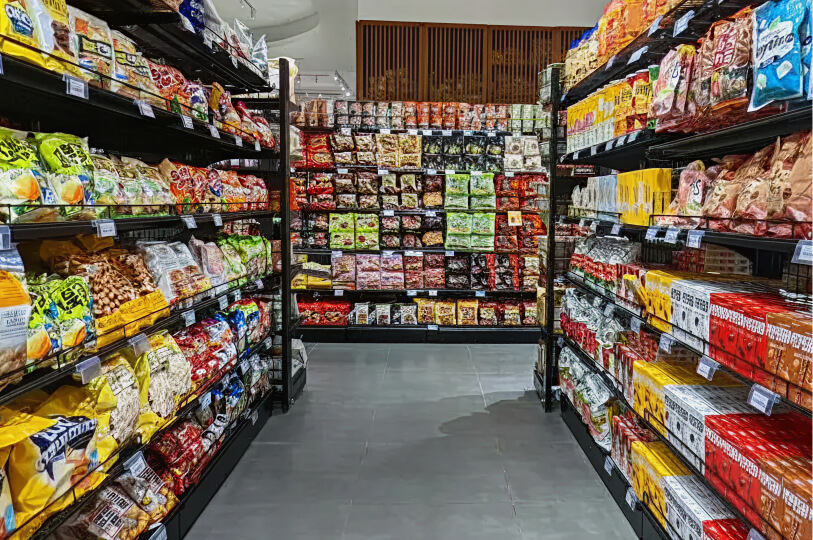
Beyond their practical role, Korean marts offer a unique shopping experience. The aisles are filled with sensory delights: colorful packages of Korean snacks, jars of Kimchi, and rows of frozen specialties waiting to be discovered. There’s a quiet joy in browsing, finding inspiration for your next meal, and exploring this blend of tradition and convenience.
For a deeper dive into the sensory experience of Korean mart shopping, check out our feature, “The Quiet Joy of Wandering a Korean Mart,” which explores the atmosphere and inspiration these spaces provide.
Final Thoughts: Korean Mart Customers and Their Evolving Habits
The proliferation of Korean groceries across Singapore signals a shift in how we experience food. It reflects a growing desire to bring authentic Korean flavors into our homes, moving beyond restaurants and into our kitchens. These marts are not just retailers—they’re enablers of culture, routine, and comfort.
Whether you’re stocking up on side dishes, prepping for a barbecue, or grabbing a quick meal solution for a busy evening, Korean marts offer the tools to make home cooking easier and more enjoyable. They’re not flashy or trend-driven; they’re functional, reliable, and deeply integrated into our everyday lives.
So next time you pass by Sol Mart or Chorok Market, step inside. Check out the shelves, explore the products, and find something new to bring home. After all, the heart of a cuisine often starts with what you bring to your pantry.