
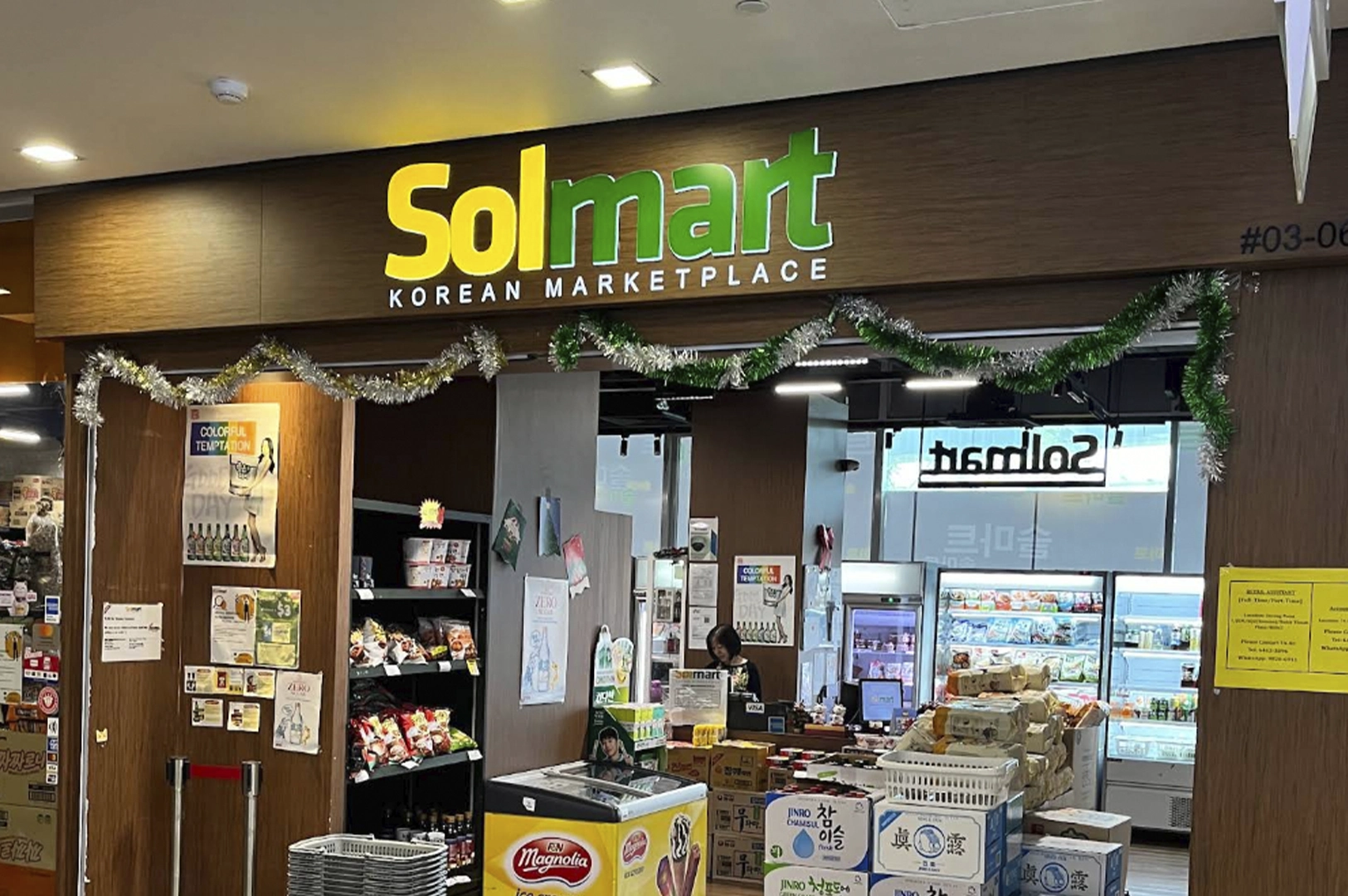
A food culture does not announce its arrival with fanfare. It slips quietly into pantries and refrigerators, becoming a part of daily life. The first taste of a new cuisine is often driven by novelty—the thrill of an unfamiliar flavor or a dish seen on screen. But novelty fades. A cuisine’s true integration lies in repetition: meals made on a weeknight, grocery lists written without a second thought.
The Korean mart sg has quietly become a cornerstone of everyday eating, weaving Korean flavors seamlessly into daily life. Marts like Sol Mart, Koryo Mart, and various locations including the popular Jem outlet offering essential Korean food products with convenience and consistency. These marts serve not just curious newcomers but loyal, returning customers, marking the transition of Korean food from novelty to a comforting staple in home kitchens.
Korean Mart SG: From Trying to Returning
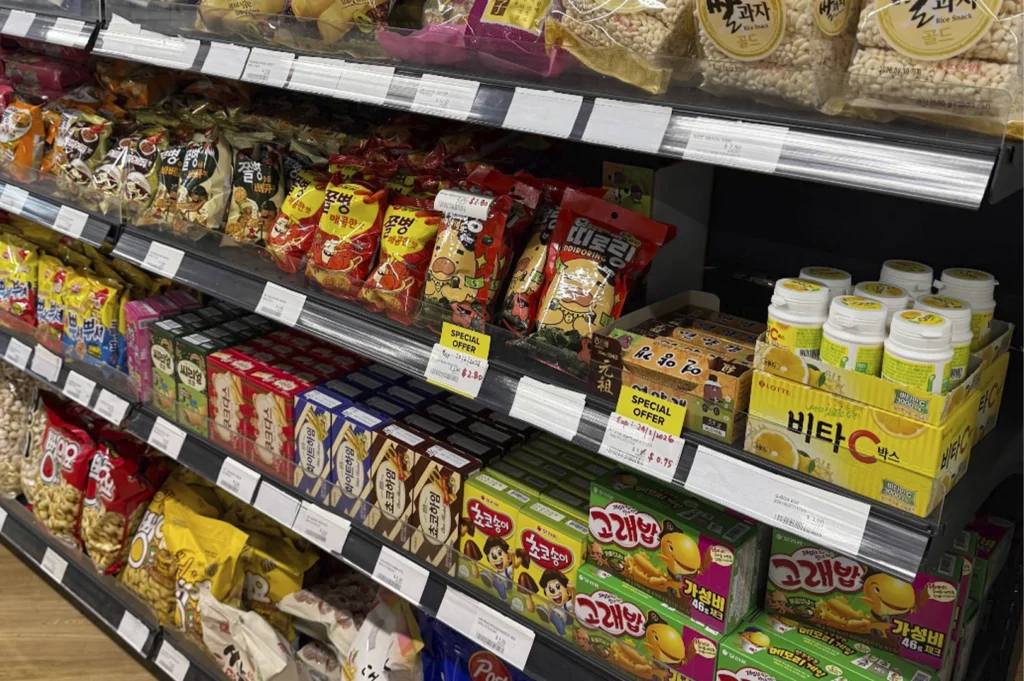
There’s excitement in trying something for the first time. The senses are heightened, and the mind is engaged in discovery. This is how we expand our palates and understanding of the world. But the act of returning is different—it’s about comfort and necessity.
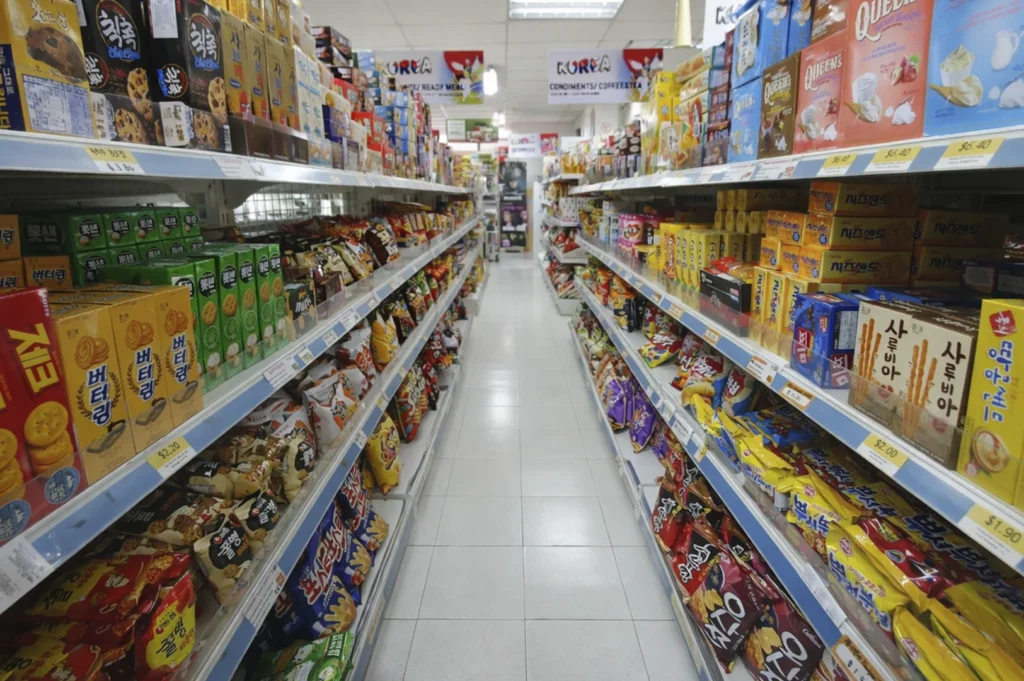
A first visit to a Korean mart is often an exploratory adventure. Shoppers are drawn to colorful packaging, unfamiliar scripts, and a wide variety of products like Korean snacks, instant noodles, and soju. It’s about sensory input and curiosity.
By the second or tenth visit, the novelty fades, replaced by purpose. You’re no longer exploring; you’re restocking. Maybe you’re here to buy dumplings, pick up a pack of pre-packed Kimchi, or replenish your favorite Korean vegetables and drinks. The Korean mart sg has become a reliable part of your routine, located conveniently in places like Jem or tucked into the basement rows of malls.
This shift from “trying” to “returning” is when a cuisine takes root. It’s no longer an occasional indulgence; it’s a staple in your home.
What Familiarity Looks Like in a Korean Mart
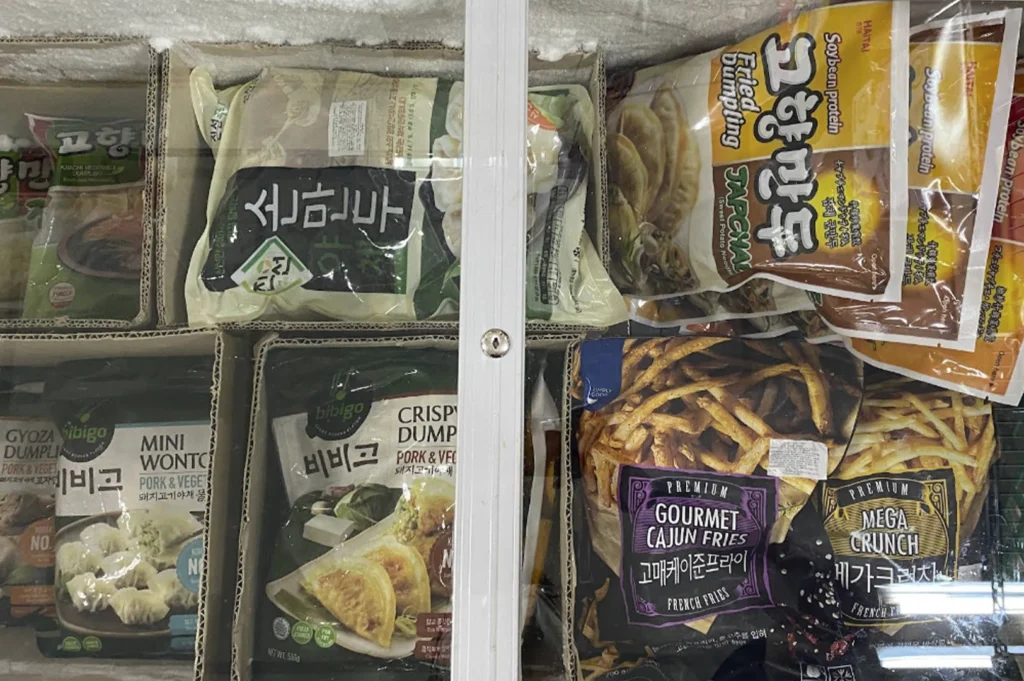
Familiarity in a Korean supermarket feels effortless. It’s muscle memory at work—a quiet, efficient rhythm. You navigate the aisles with purpose, knowing exactly where to find the perfect snacks, your go-to noodles, or the right dumplings with the best filling-to-wrapper ratio.
There’s no need to read labels or deliberate over choices. Your basket fills with a predictable assortment of products—proof of meals you’ve cooked dozens of times. Koryo Mart, for instance, offers consistency, enabling you to replicate your favorite dishes without second-guessing.
Watching other customers reveals this same rhythm. They move with quiet confidence, selecting items without hesitation. This isn’t the behavior of tourists; it’s the behavior of locals. The Korean mart sg enables this confidence, turning exploration into routine.
Ordinary Meals, Quiet Confidence
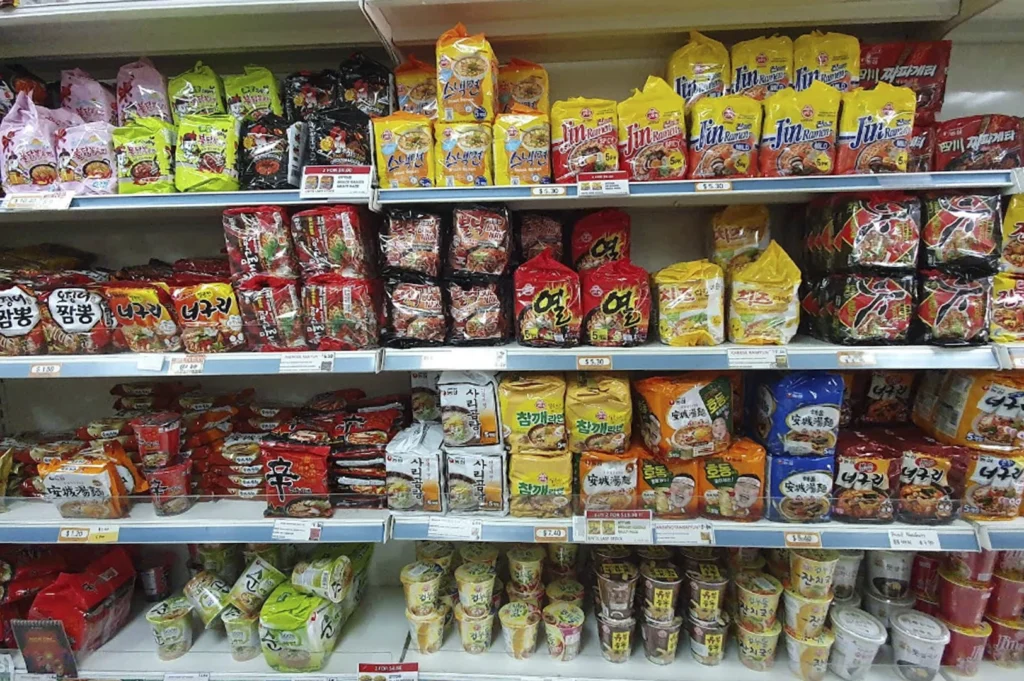
The ingredients you pick up at a Korean mart aren’t destined for elaborate feasts. They’re for everyday meals: bubbling stews, quick noodle dishes, or comforting bowls of rice with a side of Korean snacks.
This type of cooking builds confidence, not the kind that comes from mastering complex recipes, but the quiet assurance of knowing you can whip up a satisfying meal anytime. Kimchi-jjigae, for example, becomes second nature. You no longer need a recipe; you season by instinct, adjust based on what’s in the fridge, and know when it’s ready by sight.
This fluency in cooking happens through repetition, and the Korean mart provides the necessary tools. With every visit, you stock the building blocks of your go-to dishes: instant noodles, soybean paste, or fresh vegetables. Over time, you internalize the “grammar” of Korean food from Korea, not through study, but through daily practice.
Korean Snacks and the Role of Sol Mart & Koryo Mart
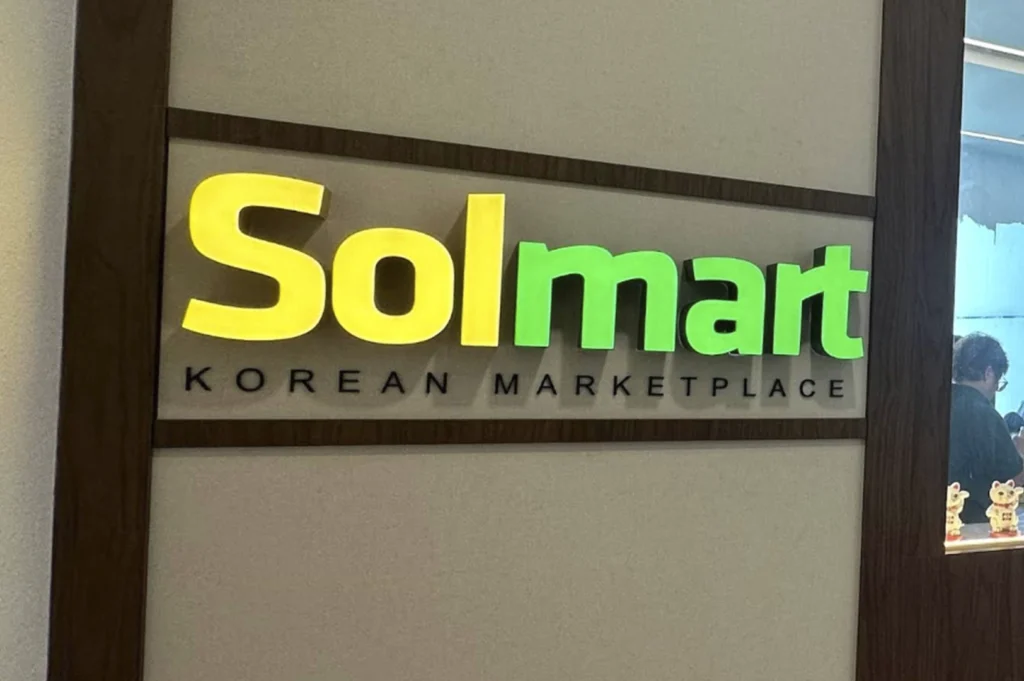
For many, the journey into Korean food begins with Korean snacks. From crispy seaweed to sweet rice cakes, snacks offer an approachable way to explore a new cuisine. Stores like Sol Mart and Koryo Mart are known for their diverse selection, catering to both first-time visitors and long-time customers.
These marts also provide easy access to instant noodles—a staple for quick comfort food—and specialty items like soju, pre-packed Kimchi, and frozen dumplings. Whether you’re shopping at a well-known branch like the one at Jem or ordering online to check orders for delivery, these marts ensure consistency and convenience.
Celebrating Korean Holidays in the Aisles
At Eat Play Stay, we believe that truly experiencing a culture means embracing its traditions and celebrations. Korean holidays like Seollal and Chuseok are more than just dates on a calendar—they are vibrant expressions of heritage that connect communities across the globe. Our passion for authentic local experiences extends to showcasing how these meaningful celebrations come alive within Singapore’s Korean diaspora.
Korean supermarkets here transform during these festive seasons, becoming hubs of cultural connection by offering traditional holiday-specific merchandise. From ceremonial rice cakes to seasonal snacks and specialty beverages, these marts provide essential ingredients that allow families and enthusiasts to honor Korean traditions authentically. This careful curation bridges the distance between Singapore and Korea, ensuring that cultural practices remain vibrant and accessible.
By highlighting these seasonal transitions, we aim to connect you with the heart and soul of Korean holiday observance in Singapore—offering insights that go beyond ordinary shopping guides to celebrate the rich cultural tapestry that makes these moments special.
Why Novelty Isn’t the Point
Dining out at a Korean restaurant offers excitement—the joy of trying something new, crafted by expert chefs. But grocery shopping at a Korean mart serves a different purpose. It’s about having reliable access to the essentials that let you cook and eat on your own schedule.
The predictability of your local Korean mart sg is its strength. You can count on it to carry the same brand of gochujang or the precise noodles you prefer. This steadiness supports the rhythms of home cooking, balancing the trend-driven nature of restaurant dining.
Note that many marts are open daily, making it easy to choose a convenient day to visit. If you need to change your delivery or have questions, some provide an email contact for customer support, enhancing the shopping experience.
Judging a specialty grocery store by the standards of a trendy restaurant misses the point. One is about excitement; the other is about sustenance. Both are essential to a vibrant food culture, but they serve different needs.
The Quiet Confidence of Korean Food Customers
The true success of a cuisine isn’t found in media buzz or restaurant queues. It’s in the invisibility of its integration into daily life. When its ingredients become staples, no longer seen as “exotic,” and are simply part of the pantry, that’s when a cuisine has truly arrived.
For many in Singapore, the Korean mart sg has reached this stage. Whether they’re shopping at Sol Mart, Koryo Mart, or other supermarkets, Korean food has become a familiar part of daily routines. The confidence with which customers navigate these stores is proof of a cuisine that has been embraced—not as a fleeting trend, but as a comforting fixture in everyday life.
If you’re looking to explore or restock your pantry, check orders online or visit your nearest Korean mart. You’ll find everything you need to make Korean cooking feel right at home.