
A Table for One Feels Normal Here
In many cities, eating alone at a restaurant can feel slightly uncomfortable.
People sometimes glance around the room, wondering if others are noticing them. The table for one feels like an exception rather than the norm.
Singapore is different.
Across hawker centres, food courts, and neighbourhood cafés, solo diners appear everywhere. A person sits down with a plate of chicken rice. Another quietly eats a bowl of noodles while scrolling through their phone. Someone else enjoys kopi and toast while reading the news.
No one looks twice.
In Singapore, eating alone simply feels like part of everyday life.
The Hawker Centre Makes It Easy
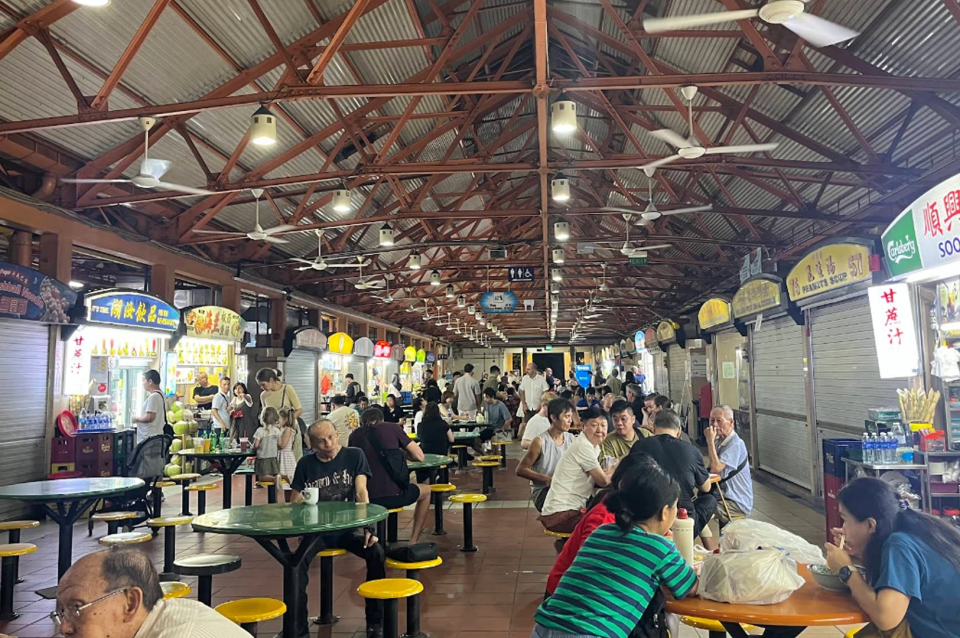
Much of this comfort comes from the design of hawker centres themselves.
Tables are shared. Seating is casual. People come and go quickly. Conversations mix with the sound of woks, trays, and stall orders being called out.
Within this environment, diners rarely arrive as a group. Office workers stop by during lunch breaks. Residents grab dinner on the way home. Students sit down between classes.
Because of this steady flow of individuals, eating alone does not stand out.
You buy your food, find an empty seat, and begin eating. The experience feels practical rather than social.
A City That Moves Quickly
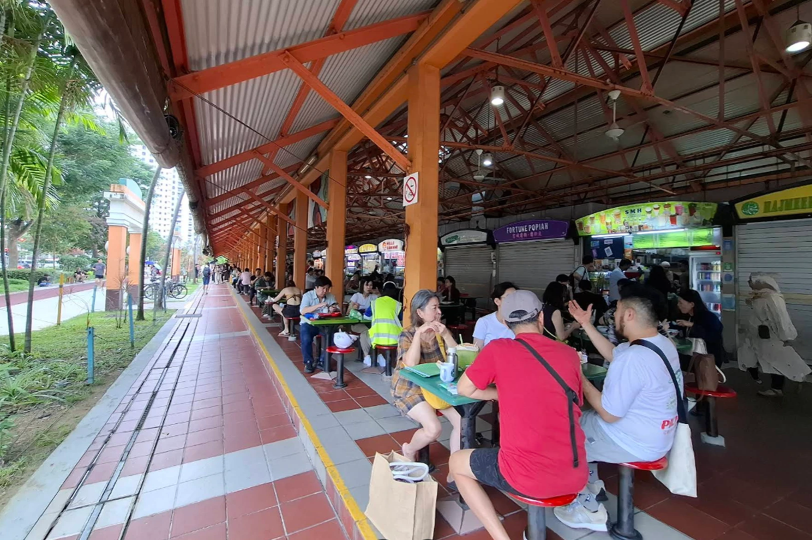
Singapore is also a city built around efficiency.
Lunch breaks are short. Workdays are busy. Commuters move quickly between MRT stations and office buildings.
In this rhythm, solo dining becomes convenient.
Instead of coordinating schedules or waiting for friends, many people simply eat when they are hungry. A quick meal at a hawker stall or food court fits easily into the pace of daily life.
The result is a culture where eating alone does not feel lonely.
It feels efficient.
Quiet Moments in Busy Places
There is also a quieter side to solo dining.
Even in crowded hawker centres, sitting alone can create a small moment of pause.
A diner focuses on the food rather than conversation. The flavours stand out more clearly. The surrounding noise fades into the background.
Some people treat these meals as a brief break in the middle of a busy day. Others simply enjoy the calm of eating at their own pace.
In a dense city where space and time are constantly shared, these small moments of independence carry value.
Cafés and the Solo Table
The culture extends beyond hawker centres.
Cafés across Singapore often welcome solo diners with ease. Many people bring laptops, books, or simply spend an hour enjoying coffee without rushing.
A single person occupying a table is rarely questioned.
Instead, it has become part of the atmosphere.
Some cafés even design seating with individuals in mind, offering counter seats by the window or smaller tables that naturally suit one person.
A Quiet Freedom
Perhaps the most interesting part of solo dining in Singapore is how little attention it receives.
There are no special labels for it. No need to explain why someone is eating alone.
It is simply understood.
Food in Singapore belongs to everyday life. People eat because they are hungry, curious, or craving something familiar. Whether they arrive alone or with friends often does not matter.
And within that simple routine lies a small but meaningful freedom.
To sit down, enjoy a meal, and spend a quiet moment with nothing more than good food and your own thoughts.