
Singapore’s reputation as a food paradise is well-earned, offering a dazzling array of dishes year-round. But to truly unlock its culinary soul, you need to understand its rhythms. The island’s food scene is not static; it ebbs and flows with tropical seasons, cultural festivals, and exclusive events. Knowing this transforms your dining from a series of random encounters into a strategic and deeply satisfying adventure.
Understanding the best food in Singapore calendar is the key to tasting the freshest ingredients and experiencing unique, time-sensitive traditions. While our other guides show you what to eat and how to capture it, this article focuses on when. Let Eat Play Stay be your visual companion, helping you track seasonal ingredients and festival foods as they appear, ensuring you are always in the right place at the right time for the most delicious experiences.
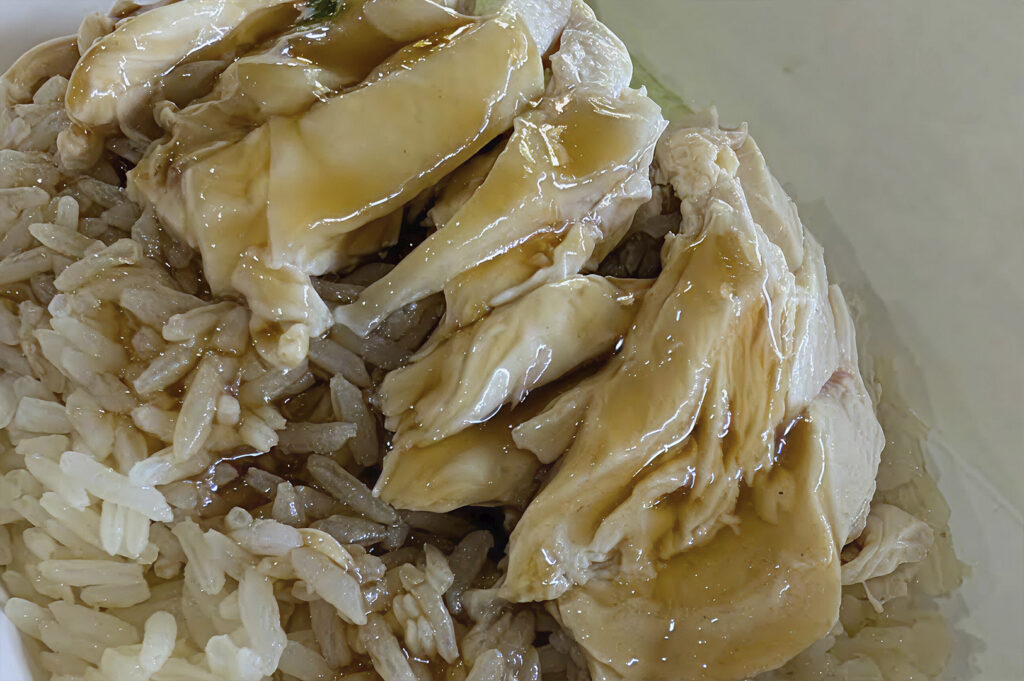
Singapore’s Tropical Food Seasons and Hainanese Chicken Rice: The Signature Dish with Fragrant Rice Cooked to Perfection
Located just one degree north of the equator, Singapore doesn’t have four distinct seasons. Instead, its climate is defined by two monsoon periods that subtly influence the availability of local produce and seafood. For the discerning foodie, this is where the planning begins.
The undisputed king of Singapore seasonal foods is the durian. The main season, typically from June to August, is a cultural phenomenon. During these months, dedicated stalls pop up across the island, and the air is thick with the fruit’s famously pungent aroma. This is the best time to sample premium varieties like Mao Shan Wang (Musang King) or D24. Following closely are its seasonal companions, mangosteen (June-August) and rambutan (May-July), which are believed to have a “cooling” effect to balance the durian’s “heat.”
Seafood seasonality also plays a crucial role. While most catches are available year-round, certain times offer peak quality and better prices. For example, flower crabs are often best from March to May, while specific fish varieties might be more abundant after the monsoon seasons. Astute diners know that this affects the daily specials at both humble hawker stalls and high-end seafood restaurants. Iconic dishes like chili crab and black pepper crabs are especially popular during peak seafood seasons, and these can be enjoyed at renowned hawker centres such as Maxwell Food Centre. The dated galleries on our website provide a fantastic visual log, allowing you to see how menus and ingredients change with the seasons.
Major Food Festivals, Peranakan Food & Cultural Celebrations in Singapore’s Food Culture
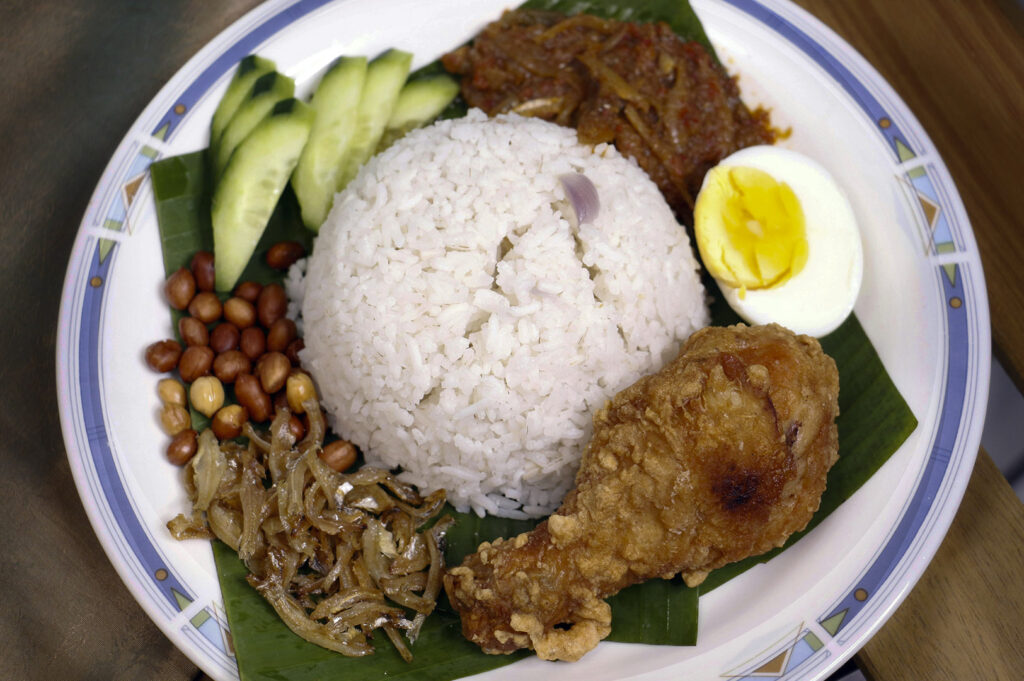
Singapore’s multicultural society is the heart of its culinary calendar, with major festivals offering unique and delicious traditions. Beloved dishes such as nasi lemak, roti prata, and Peranakan food are often featured during these celebrations, reflecting Singapore’s rich multicultural heritage. Knowing when to visit Singapore for food often means timing your trip with one of these vibrant celebrations.
Chinese New Year (January/February): Feast on Roast Meats, Pork Belly, and Hainanese Chicken
This is a time of feasting and family. The season is defined by the communal tossing of yusheng for good fortune, snacking on sweet and savory pineapple tarts, and grilling slices of bak kwa (barbecued pork jerky). The reunion dinner, held on the eve of the new year, is the most important meal of the year for Chinese families. Traditional reunion dinners often feature an array of roast meats, including pork belly and Chinese sausage, which are cherished for their rich flavors and festive significance.
Hari Raya Puasa (Varies based on Islamic calendar): Celebrate with Chicken Curry, Fried Chicken, and Fragrant Rice Cooked with Coconut Milk
Marking the end of Ramadan, Hari Raya is a joyous celebration filled with incredible food. Homes are filled with aromatic dishes like beef rendang and ketupat (rice cakes). Dishes such as fried chicken and rice cooked with coconut milk, like nasi lemak, are also staples during Hari Raya celebrations, adding to the festive spread. The Geylang Serai Bazaar, held during the month of Ramadan, is a must-visit for its sprawling street food offerings, from traditional kueh (cakes) to modern, inventive snacks.
Deepavali (October/November): Dive into Indian Food and Fragrant Basmati Rice Dishes
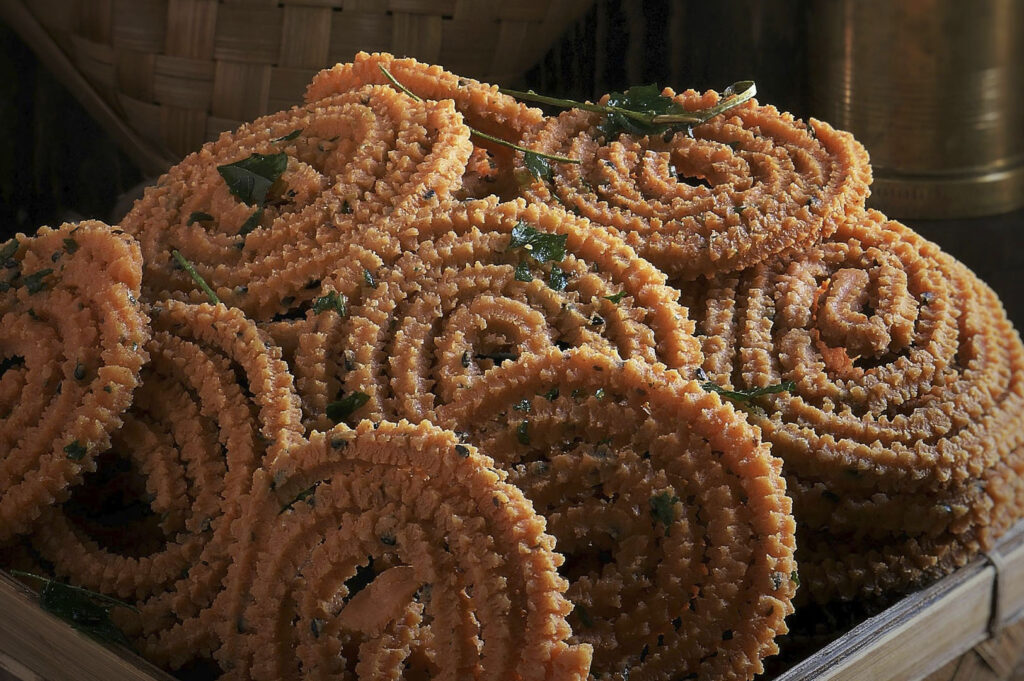
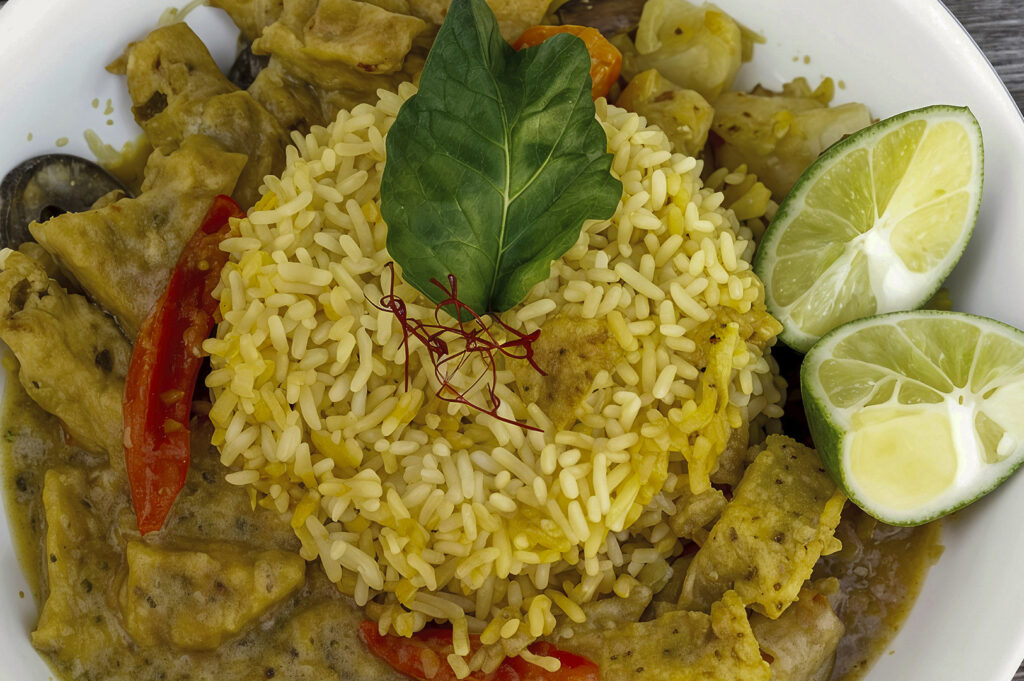
The Festival of Lights sees Little India burst into a dazzling spectacle of color, light, and flavor. Homes and restaurants are laden with sweets like laddu and savory snacks like murukku. It’s the perfect time to indulge in rich, festive biryani and explore the vibrant street markets. Deepavali is also an excellent opportunity to experience authentic Indian food at renowned Indian restaurants, where dishes like biryani made with fragrant basmati rice are especially popular.
Mid-Autumn Festival (September/October): Savor Mooncakes Made with Glutinous Rice and Sweet Fillings
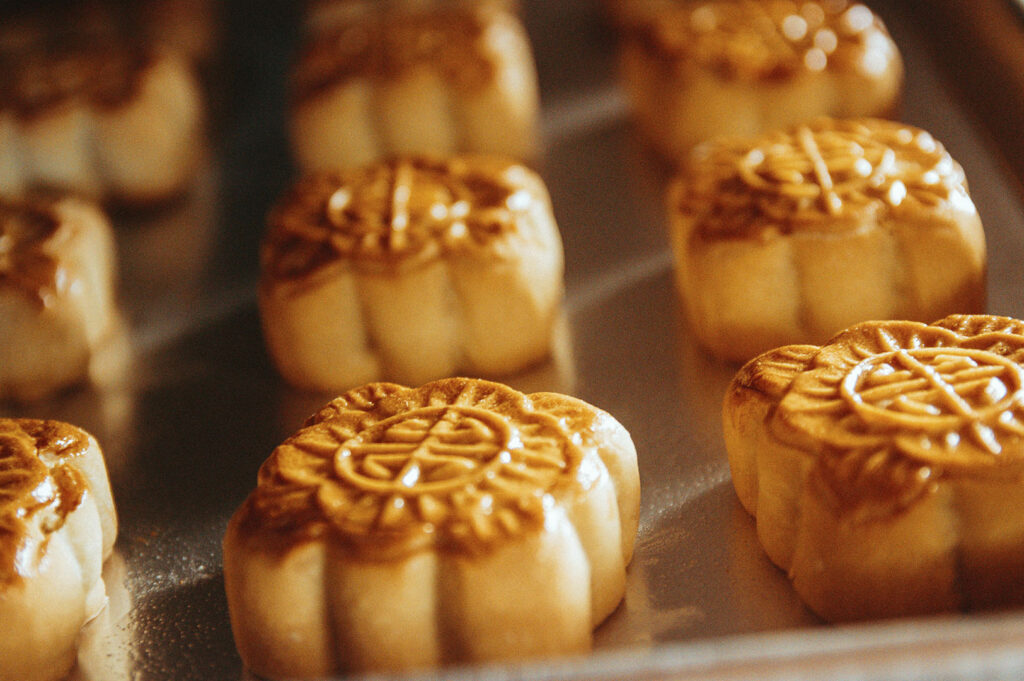
This festival is synonymous with mooncakes. From traditional baked lotus paste with salted egg yolk to modern snowskin varieties with inventive fillings, the options are endless. Some mooncake varieties are made with glutinous rice, offering a chewy texture and unique flavor that sets them apart from baked versions. The festival is also a time for families to gather, sip tea, and eat pomelos, which symbolize unity.
Hungry Ghost Festival (August/September): Experience Traditional Dishes Including Roast Meats and Pork Slices
While a more solemn occasion, this festival offers a unique culinary insight. Elaborate food offerings of fruits, cakes, and whole roasted meats—traditionally eaten during the festival period—are placed on street-side altars to appease wandering spirits, offering a fascinating glimpse into local folk traditions.
Monthly Food Events & Culinary Happenings in Singapore’s Food Centre Scene
Beyond the major cultural holidays, the Singapore food calendar is packed with modern culinary events that cater to every palate. These are some of the best opportunities to experience the city’s innovative and dynamic food scene.
The Singapore Food Festival, held every July, is the country’s flagship culinary event. It celebrates local chefs, hawker heritage, and culinary innovation through a series of workshops, special menus, and pop-up events. It’s an unmissable event for anyone wanting a deep dive into Singaporean cuisine. Visitors can also join a food tour to discover the best hawker stalls and renowned restaurants in Singapore, making the most of these culinary events.
Throughout the year, keep an eye out for events like Restaurant Week and the World Gourmet Summit. These offer food lovers the chance to dine at top-tier restaurants with special prix-fixe menus at a fraction of the usual cost.
Best Times to Visit Hawker Stalls and Food Neighbourhoods in Singapore’s Hawker Centres
Knowing when to go to a specific neighborhood can drastically improve your dining experience.
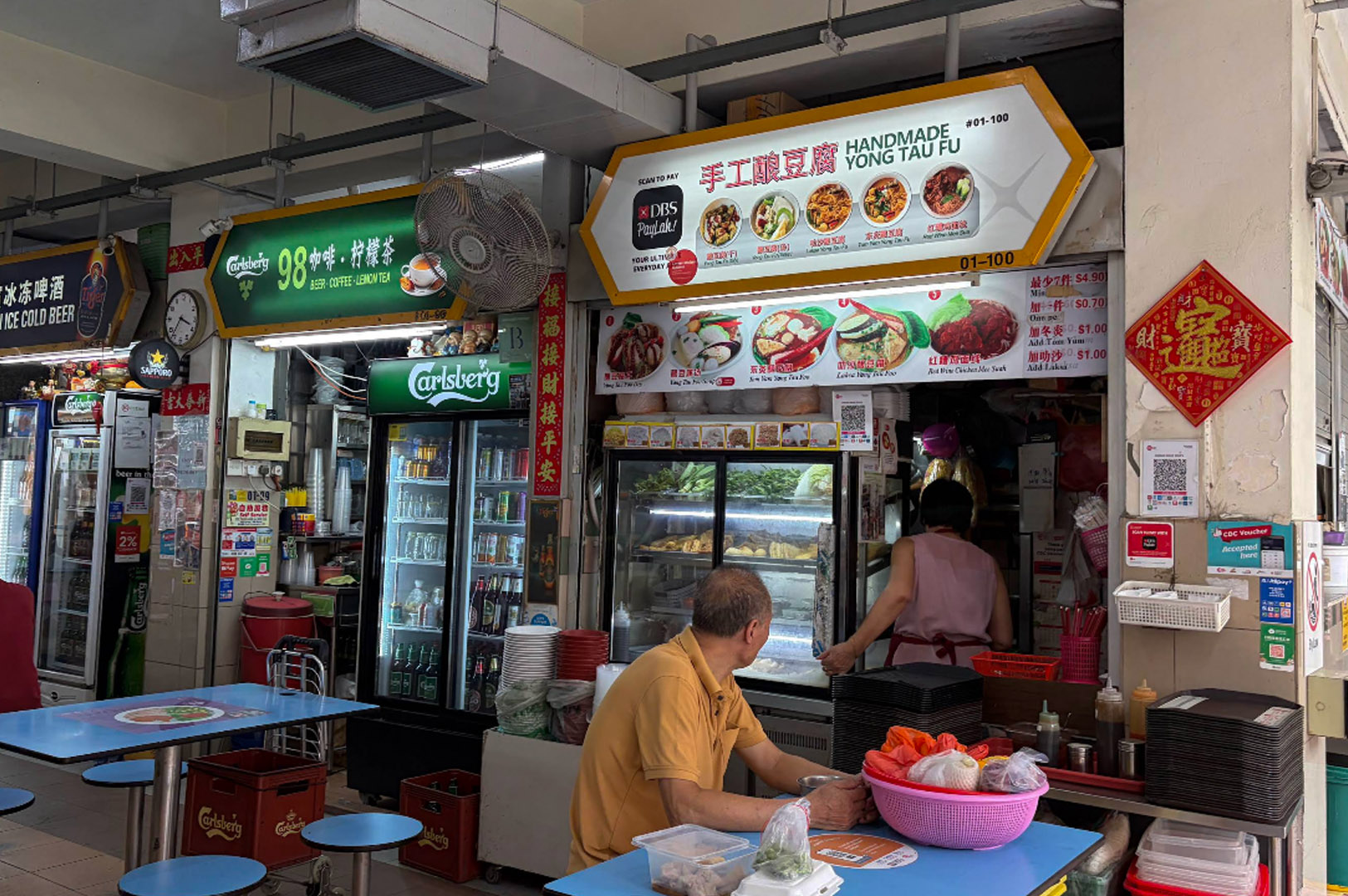
The rhythm of a hawker centre changes throughout the day. Some, like Tiong Bahru Market, are legendary for breakfast, serving classics like chwee kueh and wanton noodles. Other hawker centres are famous for dishes such as char kway teow, oyster omelette, and egg noodles, often topped with fresh crunchy bean sprouts for added crunch. Others, like Newton Food Centre, come alive after dark and are famous supper spots. Showing up at the wrong time might mean missing a stall’s star dish.
The experience in cultural enclaves like Chinatown, Little India, and Kampong Glam also varies. Weekends are bustling with energy and crowds, which can be part of the fun. However, visiting on a weekday morning offers a more relaxed pace, allowing you to interact with vendors and observe daily life. Weather also plays a role; a blistering afternoon is better spent in an air-conditioned food court, while a cool evening is perfect for outdoor dining at a place like Lau Pa Sat. School holidays often mean longer queues at family-friendly restaurants and attractions, so plan accordingly.
Month-by-Month Culinary Food Tour Planning Guide to Eat in Singapore
To find the best time to eat in Singapore, use this quick guide to culinary peaks.
- Jan/Feb: Dominated by Chinese New Year feasts. A great time for bak kwa, pineapple tarts, and celebratory banquets. Cooler weather also makes bak kut teh, or meat bone tea—a comforting pork rib soup with rich flavors—a popular choice. Don’t miss classic breakfasts like kaya toast with soft boiled eggs and a cup of sweet milk tea, available year-round in coffee shops and hawker centres.
- Mar/Apr: Generally quieter post-CNY. An excellent time to explore restaurants without the festival crowds. Seafood like flower crabs are often at their best. This is also a great period to enjoy Hainanese chicken rice, Singapore’s signature dish, known for its fragrant rice and savory flavors.
- May: The Geylang Serai Bazaar begins, signaling the start of Hari Raya festivities. Rambutan season begins.
- Jun: The king of fruits arrives! This is the peak of durian season. A must-experience for adventurous foodies.
- Jul: The Singapore Food Festival takes center stage. Mangosteen season joins the fruit bonanza.
- Aug: Durian season continues. A great month for outdoor dining as the weather is often drier.
- Sep: The Mid-Autumn Festival brings a dazzling array of mooncakes.
- Oct/Nov: Little India lights up for Deepavali. A perfect time for Indian sweets and festive dishes.
- Dec: The city is in a festive mood for Christmas and New Year’s. Restaurants roll out special holiday menus and buffets. Rainy weather makes laksa—a spicy noodle soup made with rice noodles and coconut milk—a popular dish to warm up with.
In a Nutshell: Singapore’s Culinary Scene and the Best Food in Singapore
While you can find an incredible meal in Singapore any day of the year, understanding the city’s food calendar elevates your experience from simply eating to participating in a living, breathing culinary culture. Timing your visit to coincide with a fruit season, a vibrant festival, or a major food event unlocks a deeper level of appreciation and flavor.