
The language we use to explore a city often reflects our mindset and intentions. For visitors and locals alike, planning a trip or a weekend outing in Singapore usually begins with search engines, typing in phrases like “things to do Singapore” or “what to do in Singapore.” While these queries may seem interchangeable, they reveal two distinct ways of engaging with the city. One focuses on checking off a list of iconic attractions, while the other embraces open-ended exploration and encourages you to truly explore Singapore beyond the typical tourist spots.
Singapore, also known as the “Garden City,” offers experiences for both mindsets. From visiting Marina Bay Sands and Gardens by the Bay to strolling through Arab Street or the Southern Ridges, the city accommodates structured itineraries and spontaneous adventures with equal ease. This article delves into how these two approaches—structured and open-ended—shape our experience of Singapore and highlights key attractions and hidden gems to consider along the way.
Structured Exploration: “Things to Do Singapore”
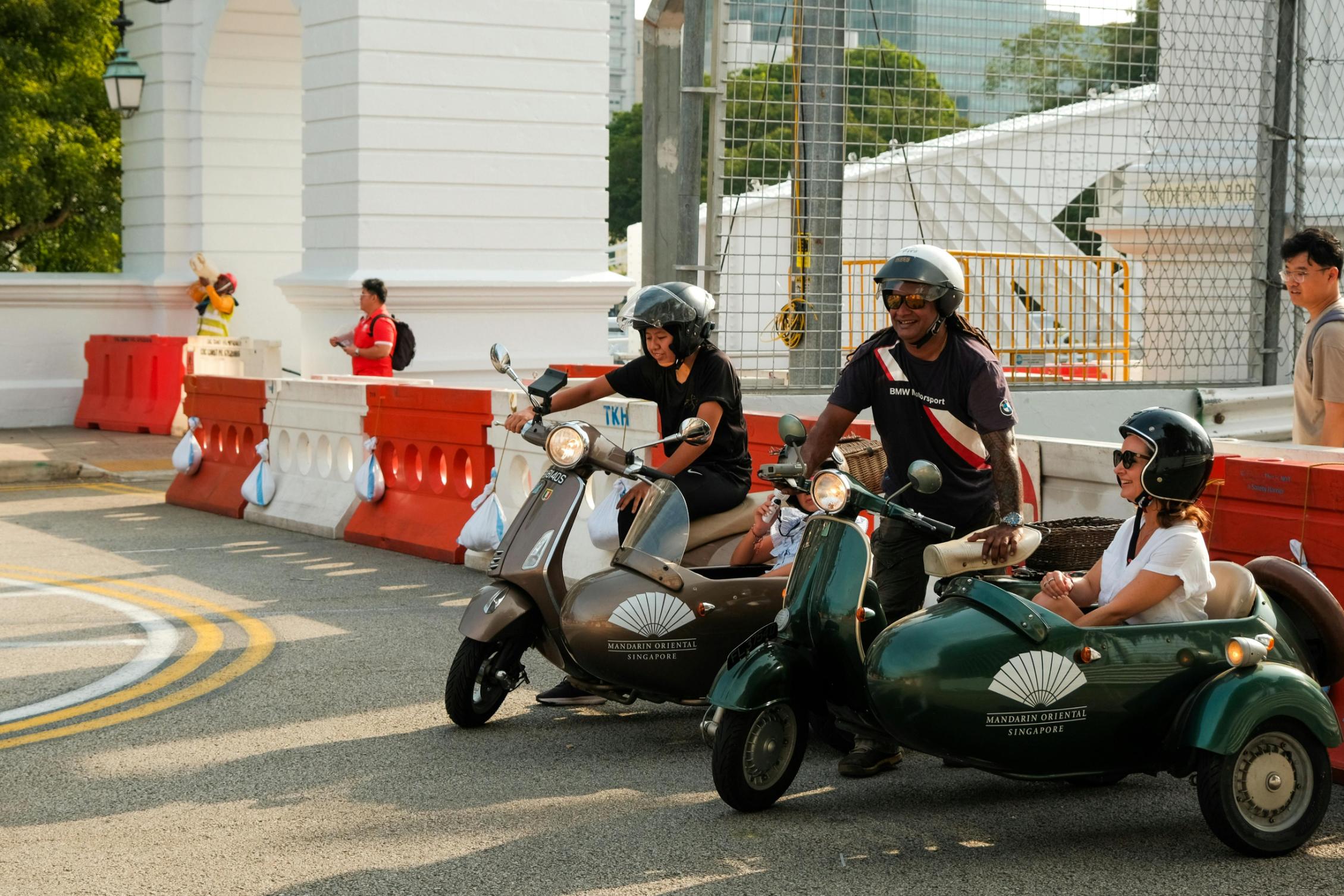
Maximizing Efficiency with Iconic Attractions in Central Singapore
The phrase “things to do Singapore” often appeals to efficiency seekers. It implies a checklist mindset, focusing on must-see attractions and popular landmarks. For first-time visitors or those with limited time, this approach ensures they experience iconic highlights of the Lion City.
For travelers navigating Singapore on a tight schedule, Eat Play Stay explores how a well-paced weekend can still feel immersive in Singapore Weekend Itinerary: 48 Hours in the Lion City.
Start your day at Marina Bay, home to some of Singapore’s most famous attractions. Marvel at the city skyline from the Marina Bay Sands SkyPark or explore the futuristic Gardens by the Bay, which features the Cloud Forest, Flower Dome, and the breathtaking Supertree Grove. For incredible views of Singapore’s skyline, visit after sunset when the lights illuminate the area.
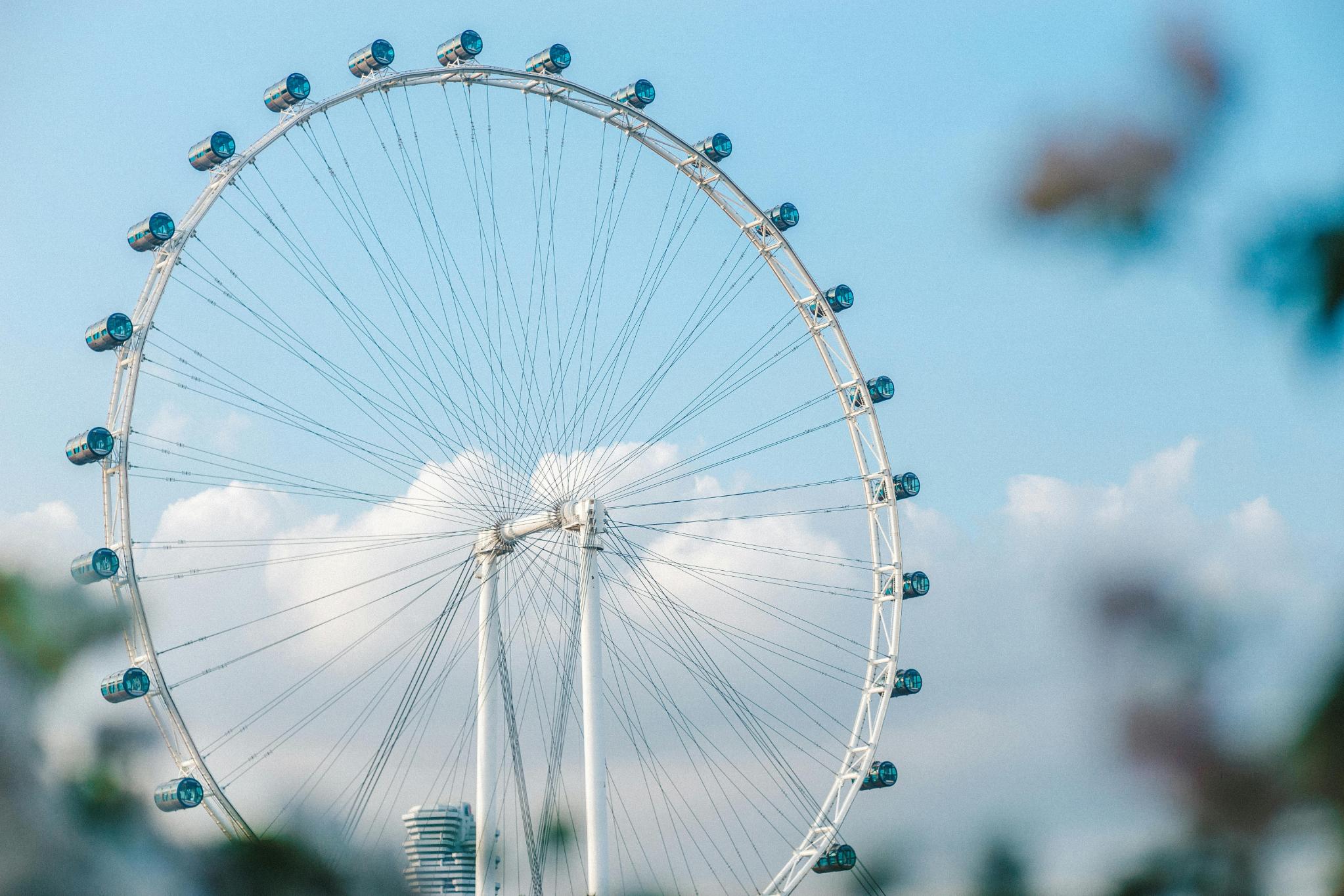
A short walk away is Merlion Park, where the half-lion, half-fish statue stands as a symbol of Singapore’s storied past and its evolution into a modern metropolis. The central business district is nearby, making it convenient to access popular hawker centers like Maxwell Food Center, which is home to some of Singapore’s best hawker stalls and is loved by locals. Continue your exploration by heading to Singapore Flyer, one of the largest observation wheels in the world, for 360-degree views of the city.
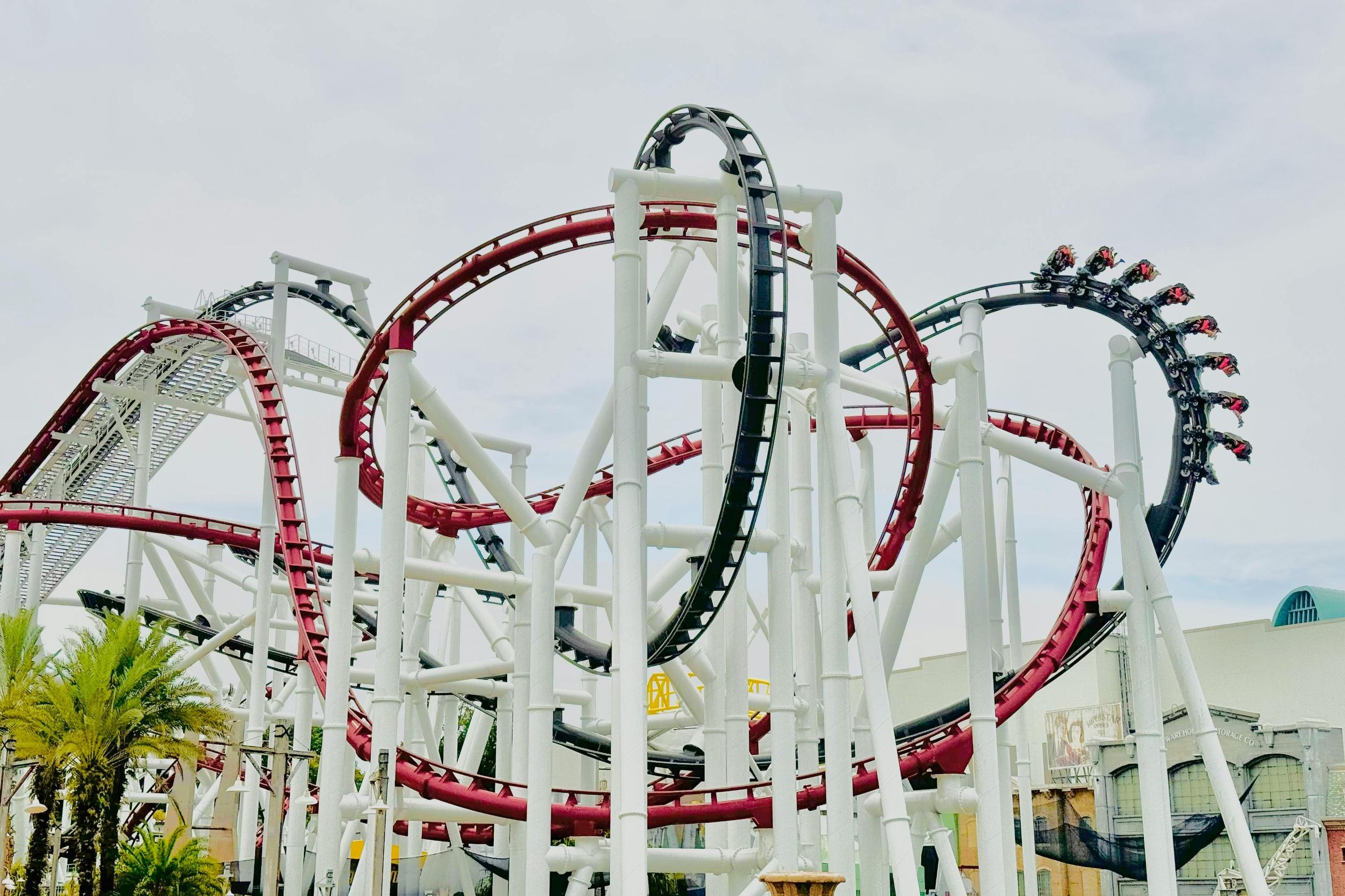
For families, Universal Studios Singapore on Sentosa Island is a must-visit. Located within Resorts World Sentosa, this theme park offers thrilling rides and shows. Nearby, Siloso Beach is perfect for relaxing or trying water sports.
Heritage and Culture: Exploring Civic District and Chinatown
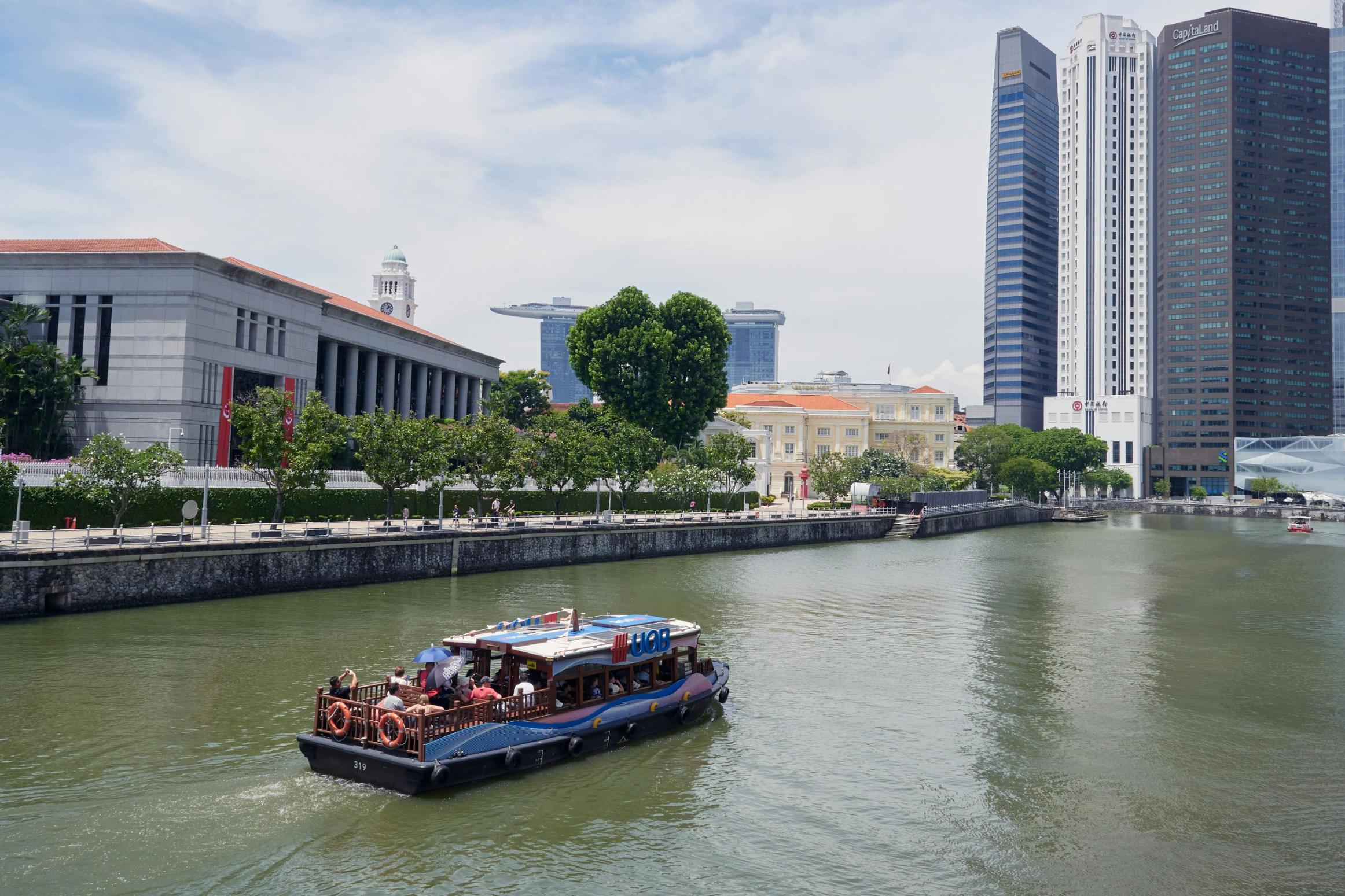
Incorporating cultural landmarks into your itinerary adds depth to your visit. Begin at the National Museum of Singapore, where you can learn about Singapore’s storied past, from its early days as a trading port to its rise as a global city. Walk through the nearby Civic District, where colonial-era architecture meets modern skyscrapers like the Supreme Court and City Hall, and experience the historical significance that reflects Singapore’s storied past.
For a dose of tradition, head to Pagoda Street in Chinatown, a cultural hub in Singapore famous for its street food, markets, and heritage sites. Chinatown dates back to the 19th century and is known for its rich history and cultural significance. It is also the only Chinatown in the world that has a Buddhist temple, a Hindu temple, and a mosque on the same street. Visit the Buddha Tooth Relic Temple, a stunning example of traditional Chinese values and Buddhist architecture. Don’t forget to explore the nearby hawker centres for amazing food at food stalls featuring local dishes like Hainanese chicken rice or laksa.
Nature and Outdoor Activities: From Gardens to Waterfronts
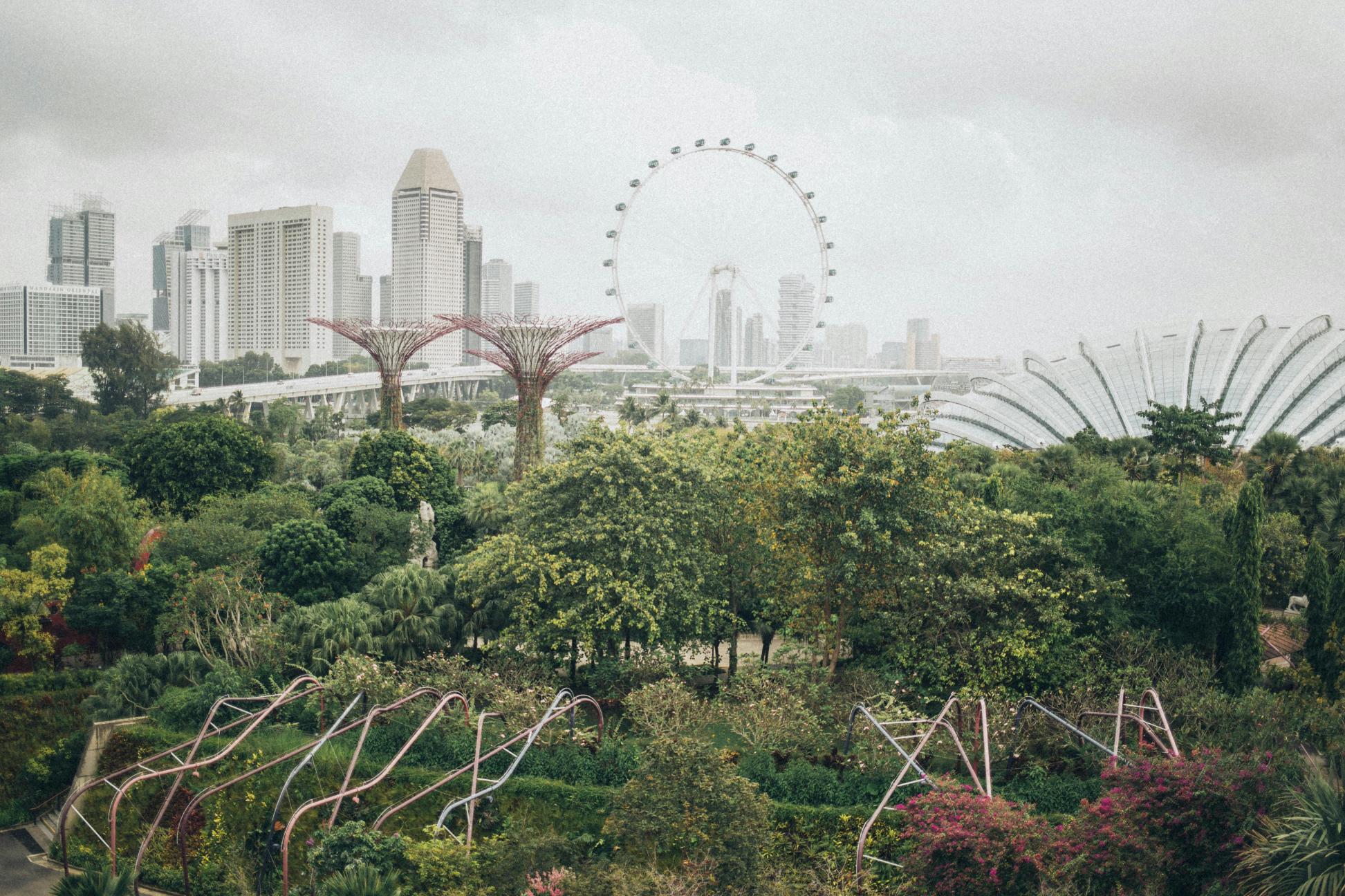
Singapore’s emergence as the “Garden City” reflects a deeper understanding of how thoughtfully designed spaces can transform urban living. The city’s green landscapes unfold with intentional grace, each element placed with quiet precision that becomes apparent only through patient observation. Gardens by the Bay stands as perhaps the most compelling expression of this philosophy, where the Marina Bay area hosts a conversation between innovation and nature that feels both futuristic and timeless. Here, one discovers the careful choreography of the Supertree Grove—structures that reveal their purpose gradually, while the Flower Dome offers moments of pause where vibrant displays create an almost meditative rhythm. The city skyline frames these experiences, providing perspective that enhances rather than overwhelms the intimate details within.
A short journey away, the Singapore Botanic Gardens continues this dialogue between visitor and landscape, its UNESCO designation speaking to something beyond mere preservation—a recognition of craftsmanship that spans generations. The sprawling lawns and serene lakes invite a different kind of attention, one that appreciates the subtle interplay of design and growth. The National Orchid Garden exemplifies this approach, where thousands of species create not spectacle but contemplation, each bloom positioned with the same care a chef might place a single ingredient. For those drawn to more active exploration, the Southern Ridges offer a 10-kilometer meditation in motion, where walking trails connect spaces with purposeful flow, allowing the Singapore River and city beyond to emerge as part of a larger composition. MacRitchie Reservoir Park completes this understanding, its treetop walks and forest trails creating opportunities for discovery that feel both adventurous and serene. Whether approached as casual observer or dedicated explorer, these green spaces reveal Singapore’s quiet mastery of urban harmony—each visit deepening appreciation for the intention that shapes every pathway, every view, every moment of respite.
Family-Friendly Activities: Fun for All Ages
When families find themselves drawn to Singapore, there’s something profound in how the city unfolds its experiences, each one crafted with intention that becomes apparent only through careful observation. Universal Studios Singapore rests thoughtfully on Sentosa Island, where the convergence of storytelling and immersive design creates moments that resonate across generations—the precision behind each themed environment revealing itself gradually as families move through spaces that feel both familiar and wonderfully unexpected. The Singapore Zoo offers something quieter yet equally considered: encounters with wildlife that have been shaped by an understanding of how proximity and habitat design can transform mere viewing into genuine connection, where the careful choreography between animal and visitor unfolds naturally within rainforest settings that breathe with authenticity.
The National Museum of Singapore approaches cultural transmission with the same measured intention, allowing history to emerge through exhibits that invite participation rather than passive consumption, where young hands and curious minds can engage with stories that might otherwise remain distant. Gardens by the Bay demonstrates a similar philosophy in its Children’s Garden, where water and flora combine in ways that feel both playful and purposeful, each element positioned to spark the kind of wonder that builds slowly, naturally.
As evening settles, the Night Safari extends this thoughtful approach into darkness itself—the world’s first nocturnal wildlife park unfolding as a conversation between visitor and creature, where patience and quiet observation reveal nocturnal rhythms that daylight conceals. In Singapore, these experiences accumulate not as attractions to be conquered, but as carefully orchestrated moments that allow families to discover both the city and each other through a progression of shared attention and gentle revelation.
Open-Ended Exploration: “What to Do in Singapore”
Wandering through Hidden Gems and Lesser-Known Spots
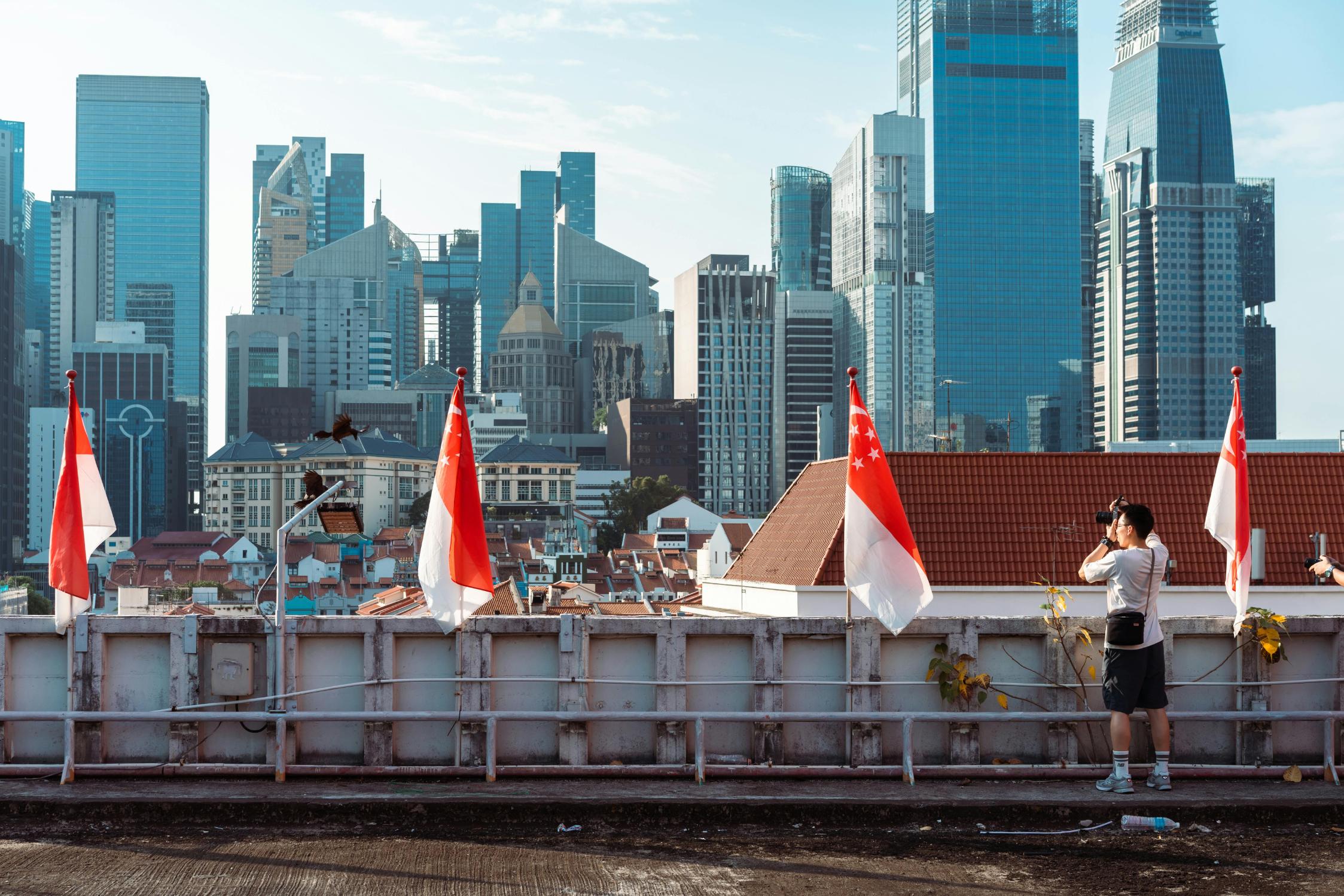
The phrase “what to do in Singapore” suggests a more open-ended approach, inviting spontaneity and discovery. This mindset often involves wandering beyond the famous landmarks to uncover hidden gems and lesser-known spots that reveal the city’s personality.
Start your day with a stroll through Little India, where vibrant street art, spice stalls, and flower markets create a sensory feast. Nearby, Arab Street in Singapore’s Muslim Quarter offers a mix of traditional shophouses, boutique stores, and cafes. It’s a haven for photographers and those seeking a slower, more immersive pace.
For nature lovers, the Southern Ridges and Henderson Waves Bridge provide walking trails with panoramic views of Singapore’s skyline. These trails are perfect for those seeking quiet moments amid greenery. Another underrated spot is Kent Ridge Park, where you can enjoy tranquility and stunning sunset views, completely free of charge. At MacRitchie Reservoir Park, don’t miss the MacRitchie Treetop Walk—a suspension bridge that offers breathtaking views of the forest canopy.
If you’re looking for a unique urban experience, visit Jewel Changi Airport, a highlight of Singapore airport. Home to the world’s tallest indoor waterfall, this architectural marvel blends nature with modern design and features diverse dining options and family-friendly entertainment, making Singapore airport a destination worth exploring beyond its role as a transit hub.
For a glimpse into Singapore’s past, head to Pulau Ubin. This island offers a traditional village atmosphere, allowing visitors to experience what Singapore was like decades ago.
Embracing the City’s Rhythm: Street Food and Rooftop Bars
An open-ended mindset allows for indulgent moments, like lingering over a meal or enjoying a drink with a view. Singapore is a paradise for food lovers, and its hawker centres are a must-visit for those seeking authentic street food. Hawker centers are an essential part of Singaporean life, serving a variety of cuisines from around the world, and are known for their affordability and variety of delicious local dishes. Eating in a hawker center is considered the ultimate Singaporean experience and one of the best ways to experience local food without spending much money. Singapore’s food scene is influenced by its multicultural population, including Malay, Chinese, and Indian cuisines. Stop by Maxwell Food Centre for a plate of chicken rice or head to Old Airport Road Food Centre, which has existed for over 40 years and features more than 150 hawker stalls, for char kway teow.
In Little India, Tekka Centre is known for its Indian dishes, such as murtabak and biryani rice. Popular local dishes to try include Nyonya Laksa (a curry noodle soup with prawn stock and coconut milk), Singapore Hokkien Mee (yellow noodles served in broth or fried), and Roti Prata (an Indian flatbread often served with curry). Food courts, which are indoor or covered dining areas within larger venues like hawker centres, shopping malls, and airports, also offer a variety of cuisines in a casual setting. Some food experiences or upgrades may incur an extra cost, but these are often minor or optional.
For nightlife, explore Clarke Quay, where live music, cool bars, and restaurants line the Singapore River. On Friday and Saturday nights, the area buzzes with energy, perfect for those looking to experience the city’s vibrant nightlife. Alternatively, head to rooftop bars like Cé La Vi at Marina Bay Sands or Level33 for stunning views of the downtown skyline.
Shopping and Entertainment: Discovering Local and Global Finds
Singapore’s shopping and entertainment landscape unfolds with a thoughtful precision that reveals itself gradually to those willing to observe closely. Orchard Road emerges as the city’s considered response to retail desire, where the arrangement of gleaming malls and flagship stores creates a rhythm that feels both intentional and organic. The presence of pop-up installations speaks to a deeper understanding of how trends move and settle, each placement reflecting careful attention to timing and flow. Marina Bay Sands offers something more contemplative—a marriage of commerce and vista where the act of browsing becomes secondary to the quiet dialogue between urban craft and natural horizon, the Marina Bay stretching beyond glass in a way that transforms routine purchasing into something approaching meditation.
The authentic pulse of the city reveals itself through different channels entirely. It’s this quieter, more personal side of retail culture that Eat Play Stay captures in Singapore Alternative Shopping Districts: Beyond Orchard Road’s Famous Streets, where shopping becomes a form of discovery rather than destination hopping.
Hawker centers represent a form of communal craftsmanship, where the preparation of street food becomes an expression of cultural continuity, each stall a conversation between tradition and personal interpretation. The textured lanes of Arab Street invite a slower appreciation—here, the selection of textiles, the examination of handmade objects, and the consideration of exotic perfumes unfold against shophouse facades that have witnessed decades of such exchanges.
As daylight recedes, the city’s evening offerings emerge with their own measured cadence. Live music finds its place in venues designed for listening, while rooftop bars provide elevated perspectives that encourage reflection alongside refreshment. The rhythm of nighttime entertainment builds gradually, each option—from intimate conversations to movement on dance floors—representing a different facet of how a city chooses to express itself after dark.
Day Trips and Excursions: Beyond the City Limits
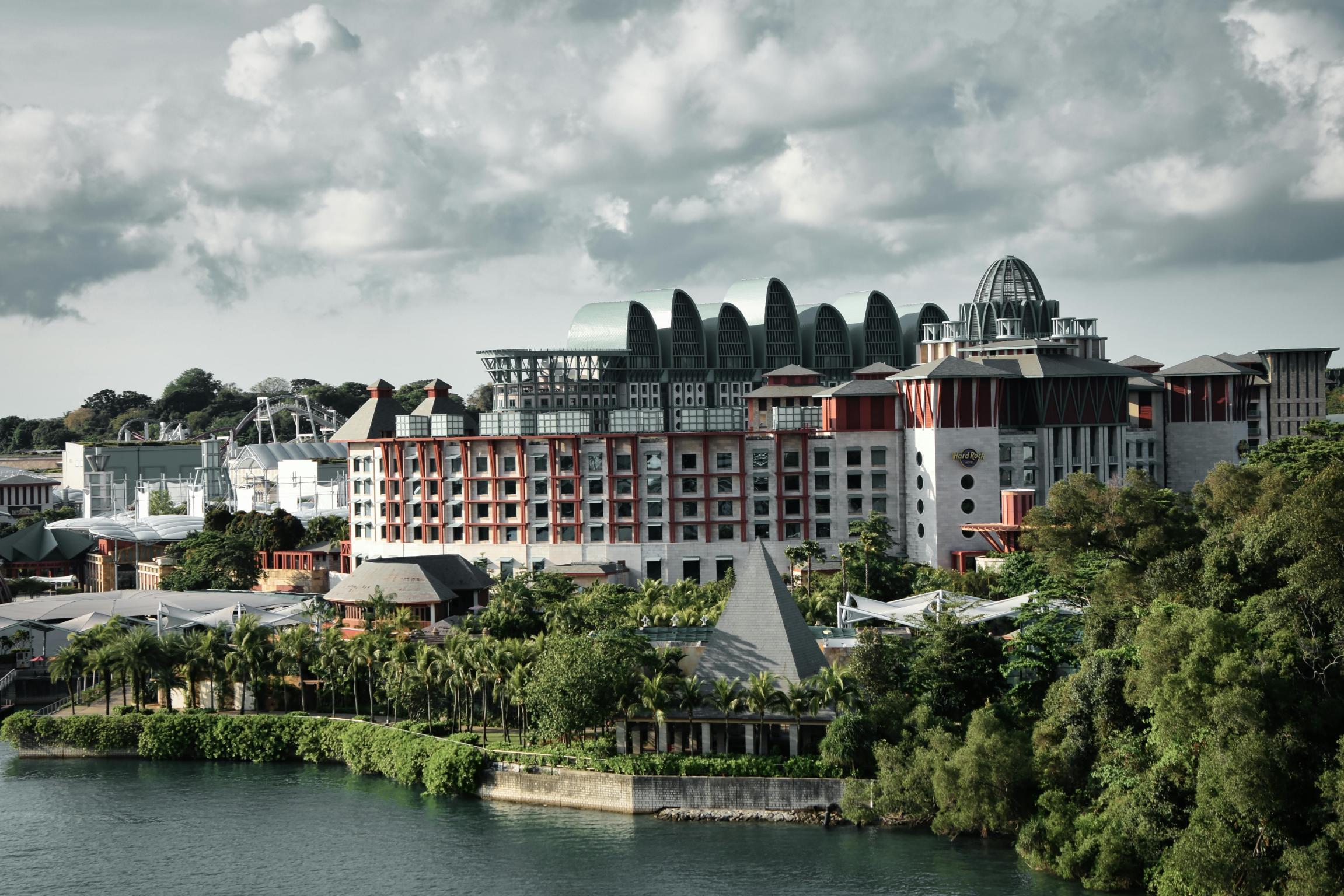
While Singapore’s city center draws travelers naturally inward, there’s something quietly compelling about allowing yourself to wander beyond these familiar rhythms. Sentosa Island unfolds as a place where anticipation meets discovery—sandy shores that invite pause, adventure parks that awaken forgotten playfulness, and attractions like Universal Studios and S.E.A. Aquarium where crafted experiences reveal their layers slowly. The Buddha Tooth Relic Temple in Chinatown offers a different kind of unfolding, where intricate architecture speaks to patient hands and purposeful design, its museum and prayer halls creating spaces that seem to breathe with contemplative intention.
For those who find themselves drawn to quieter dialogues, Pulau Ubin presents itself as an island where time moves with different intentions—here, kayaking through mangroves becomes a gentle conversation with nature’s rhythms, while cycling along weathered trails connects you to something authentic about Singapore’s quieter heritage.
Jewel Changi Airport represents yet another kind of thoughtful creation, an architectural conversation between form and wonder where the world’s tallest indoor waterfall becomes more than spectacle—it’s a reminder of how human intention can transform even transitional spaces into destinations worth lingering in. The shops and restaurants here seem to understand this balance, offering sustenance for both body and spirit. These journeys beyond downtown Singapore unfold like courses in a carefully composed experience, each revealing something different about the relationship between place and traveler, inviting you to slow down and discover what resonates most deeply with your own sense of exploration.
Experiencing Singapore through Both Lenses

Iconic Landmarks and Depth of Exploration
Singapore’s compact size and efficient transport system make it possible to combine both structured and open-ended approaches in a single visit. Spend your mornings checking off iconic spots like the Singapore Zoo, Singapore Botanic Gardens (a UNESCO World Heritage Site), or the National Orchid Garden. In the afternoons, allow yourself to wander, stopping at hidden gems like Fort Canning Park or Haw Par Villa, a traditional Chinese mythological park and theme park that teaches traditional Chinese values through dioramas and sculptures. You can also explore the modern Southeast Asian art exhibits at the National Gallery, where displays highlight the evolution and cosmopolitan lifestyle of modern Singapore.
For those interested in shopping, Orchard Road offers a mix of luxury brands and high-street fashion. Alternatively, explore a shopping mall like VivoCity, where you’ll also find access to Sentosa Island.
Balancing Checklist and Curiosity
The key to experiencing Singapore fully lies in balancing the checklist mindset with curiosity. Structured planning ensures you don’t miss iconic attractions like the Singapore Flyer or Gardens by the Bay, while open-ended exploration helps you find hidden gems like Kampong Glam, known as Singapore’s Muslim quarter. This vibrant neighborhood features the iconic Sultan Mosque, a prominent landmark with a golden dome and a key site for the Muslim community, as well as lively streets filled with shops and cafes. Kampong Glam includes Haji Lane, famous for its colorful street art, indie boutiques, and vibrant cafes, and Arab Street, which is lined with fabric shops and restaurants reflecting the area’s rich Malay and Arab heritage.
For example, after a day spent visiting Marina Bay or Universal Studios Singapore, you might end it with a quiet walk along the Singapore River or enjoying a Singapore Sling at the historic Raffles Hotel.
Insider Tips and Tricks: Navigating Like a Local
To truly understand Singapore, one might begin by embracing the city’s inherent rhythm through thoughtful preparation. The Google Maps app becomes not merely a navigation tool, but a quiet companion that reveals the intentional design behind the city’s MRT and bus networks—systems crafted with precision that mirrors the careful orchestration found in the finest kitchens. When seeking authentic connection with local life, consider how a food tour unfolds like a carefully composed meal, each stop at the hawker stalls offering its own moment of discovery, where the complexity of spicy laksa or the gentle comfort of kaya toast speaks to generations of refined technique passed quietly from hand to hand.
The city’s creative expression reveals itself to those who approach with patience and attention to detail, much as one might observe the deliberate placement of each element in a thoughtful composition. A self-guided exploration through neighborhoods like Kampong Glam and Little India allows the street art to emerge naturally, each piece reflecting the careful consideration of artists who understand their canvas. When evening arrives, particularly on Friday and Saturday nights, the city’s nocturnal character unfolds with measured intention—venues offering live music and gathering spaces become stages where craftsmanship in hospitality creates moments of genuine connection. Singapore’s clean thoroughfares and welcoming atmosphere reflect a deeper philosophy of care, where every detail contributes to an experience that rewards both the curious newcomer and the returning observer who continues to find subtle layers previously unnoticed.
Why Context Matters
The decision to adopt a structured or open-ended approach often depends on the context of your visit. Short trips may warrant a focus on famous attractions, while longer stays encourage a deeper dive into the city’s culture and rhythm.
For business travelers or families with young children, a structured itinerary focused on things to do Singapore provides convenience and efficiency. Conversely, return visitors or locals may find joy in asking what to do in Singapore, discovering walking trails, food tours, or hidden gems they haven’t explored before. Free walking tours are available in Singapore, offering valuable insights into Singapore’s history and culture while exploring the city on foot. Additionally, many museums in Singapore offer free entry, making it a budget-friendly way to learn about Singapore’s history and culture.
Singapore: A City That Adapts to Your Style
Whether you’re a first-time visitor ticking off the highlights or a seasoned traveler seeking depth, Singapore offers something for everyone. Its rich blend of tradition and modernity ensures that every experience—be it at Marina Bay Sands, Little India, a quiet cafe in Arab Street, or exploring the historic St. Andrews Cathedral set against the glitzy skyscrapers of downtown Singapore—leaves a lasting impression.
As you plan your next day out or trip to the Lion City, pause and consider how you want to engage with it. Are you looking for things to do Singapore, or are you asking what to do in Singapore? The difference in mindset may lead you to an entirely new way of experiencing Southeast Asia’s cosmopolitan gem. And don’t miss the world’s tallest indoor waterfall at Jewel Changi Airport—a must-see highlight that perfectly captures Singapore’s blend of nature and innovation.