
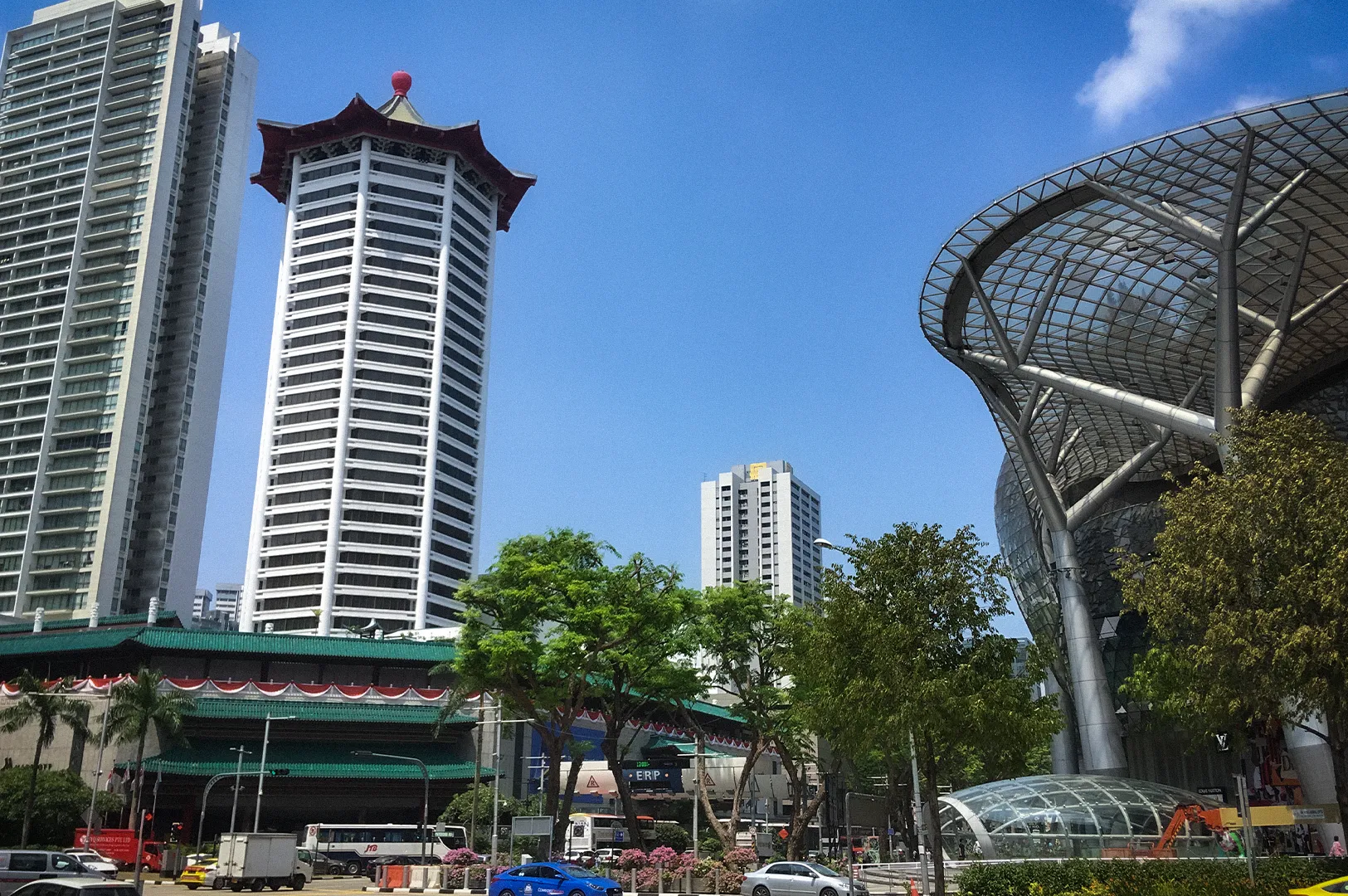
The first time I tried to enjoy authentic Japanese cuisine in Orchard, I ended up walking in circles.
I had a place in mind, somewhere on the upper floor of a mall along Orchard Road, but the underpasses and linked buildings swallowed me whole. By the time I found it, the queue had spilled into the corridor.
So I gave up and ducked into a ramen shop two doors down, ordered a bowl of shoyu miso soup, and ate it alone at the counter while the dinner crowd pressed in behind me.
That broth was good. Quietly good. It brought the rich Japanese flavours and freshness of Japan to my palate. And it taught me something I’ve carried ever since: in Orchard, the Japanese meal you planned for is rarely the one you remember.
Over the years I’ve eaten my way through most of what this stretch offers, the cheap and the ruinous, the polished and the worn.
Let me walk you through it the way I wish someone had walked me through it.
Understanding the Dining Formats at Orchard Road Japanese Restaurants
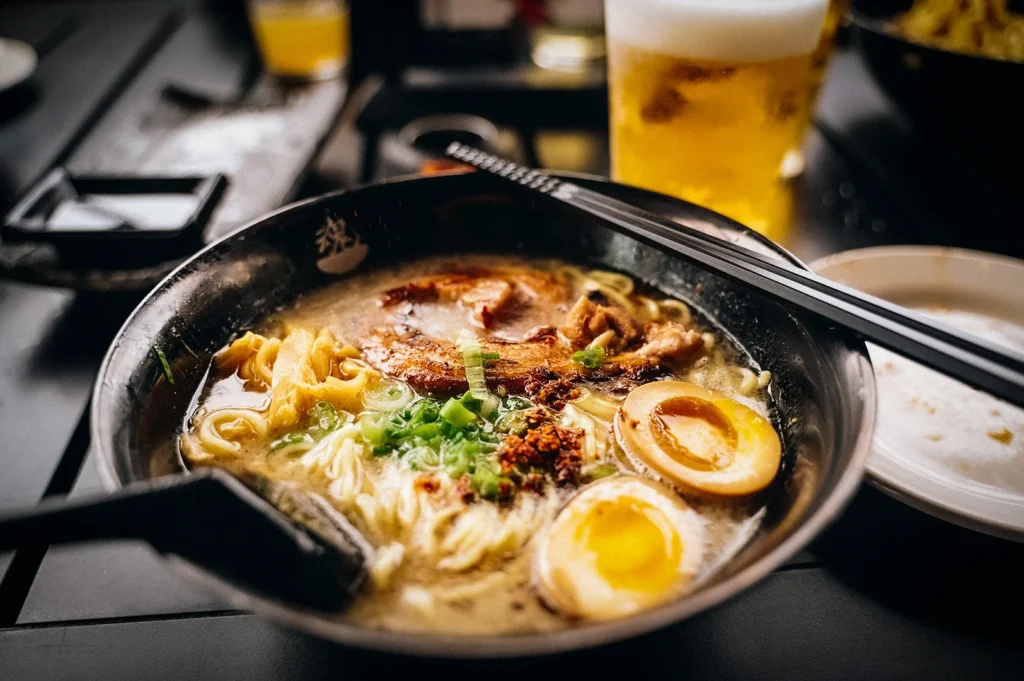
Before you pick a restaurant, pick a format. This is the part most people skip, and it’s why they end up disappointed.
- Ramen shops are your easiest entry. Solo-friendly, quick, focused. You sit, you slurp, you leave. Expect S$10 to S$30, and expect a queue at peak hours.
- Donburi, curry, and tonkatsu spots live mostly in the malls like Orchard Central. Set meals, predictable service, good for families and lunch. Around S$15 to S$40, and rarely a wrong choice when you just need to eat.
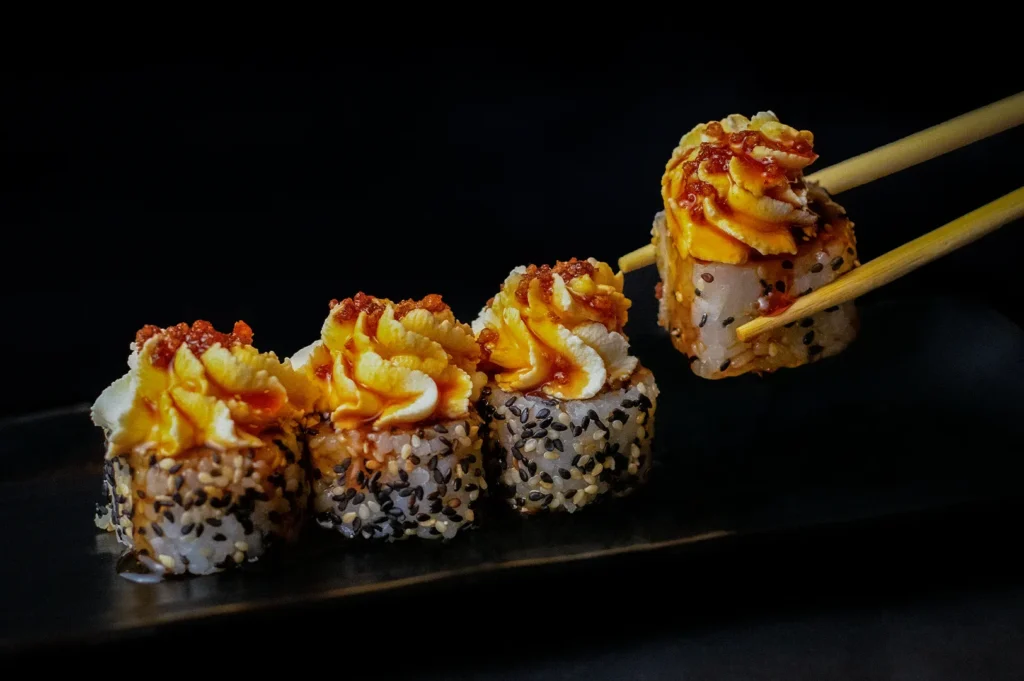
- Sushi restaurants range from casual conveyor-belt places to proper à la carte counters. A casual chirashi or sushi meal runs S$20 to S$60.
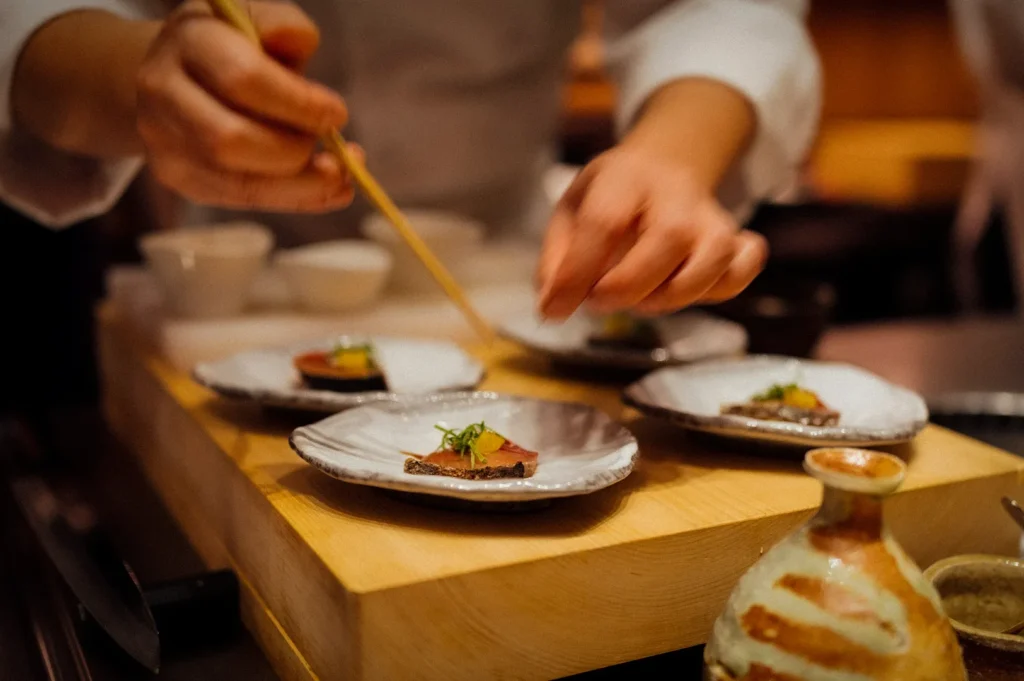
- Fresh Omakase is the chef-led, course-by-course experience. Seasonal fish and ingredients are highlighted, often including cooked dishes and not just raw fish. This is where prices climb — entry-level lunch omakase starts around S$40 to S$100, mid-range sits at S$100 to S$250, and premium dinners can run past S$400.
- Izakayas are drinking restaurants with small shared plates. Skewers, fried things, sashimi, sake, and wine. This is social food, eaten slowly over rounds. S$30 to S$60 without much drinking, S$50 to S$100 and beyond once the sake starts flowing.
- Yakitori bars focus on grilled skewers, often over charcoal, usually at a counter. Smoky, casual, and lovely for a small group.
- Hotel Japanese restaurants sit at the top end — formal, polished, built for business meals and special occasions. S$150 to S$400 or more.
And then there’s the late-night cluster, places like Orchard Plaza. Older, a little worn, full of small counters and izakaya-style bars that keep their lights on long after the malls have shut. Less polished, more honest. If you want food after the city’s gone quiet, this is where you head.
Pro tip: Decide the format before you leave home. “I want ramen” leads somewhere good. “I want Japanese food” leads to wandering hungry through three malls.
What It Actually Costs at Orchard Central Japanese Restaurants
Let me be honest about money, because the bill is where most first-timers get caught.
The number on the menu is often not the number you pay. You’ll see prices marked “nett”, “+”, or “++”. Nett means the price is final. A single “+” usually means GST is added. The dreaded “++” means service charge plus GST — roughly 19% on top.
So that S$100++ omakase? It’s closer to S$119.90 once everything lands. I’ve watched diners do the maths at the table and go quiet. Save yourself the moment. Add a fifth to whatever you see, and you’ll never be surprised.
Drinks are the other trap, especially at izakayas. A few rounds of highballs, sake, or wine can quietly double your bill. There’s nothing wrong with that — but know it’s coming.
Insider knowledge: If a menu lists fish at “market price” with no figure beside it, ask before you order. Premium seasonal seafood can cost far more than you’d guess, and “market price” is where bill shock lives.
Timing Is Everything for Orchard Road Japanese Cuisine
The single best thing I ever did for my Orchard dining was learn when to show up.
Weekday lunch is the value window. Set meals are cheaper, and lower-priced lunch omakase exists that simply isn’t available at dinner. If you’ve ever wanted to try a chef-led meal without the full damage, a weekday lunch is your way in.
Peak hours run roughly 6.30pm to 9pm. That’s when queues form and patience thins. I aim to arrive before 6.30 or after 9 for casual places — the difference between waiting forty minutes and walking straight in.
The trap nobody warns you about is last orders. A restaurant’s listed closing time is not when the kitchen stops. Many close their kitchens well before the doors lock. I’ve turned up at 9.45pm at a place “open till 11” only to be told the kitchen shut at nine. After 10pm, don’t gamble on mall restaurants — head for the late-night clusters instead.
Pro tip: Friday dinners and public holidays are brutal. If you’ve set your heart on somewhere specific, make reservations. Walk-ins on a Friday night in Orchard are an act of faith.
A Few Words on Etiquette in Japanese Restaurants on Orchard Road
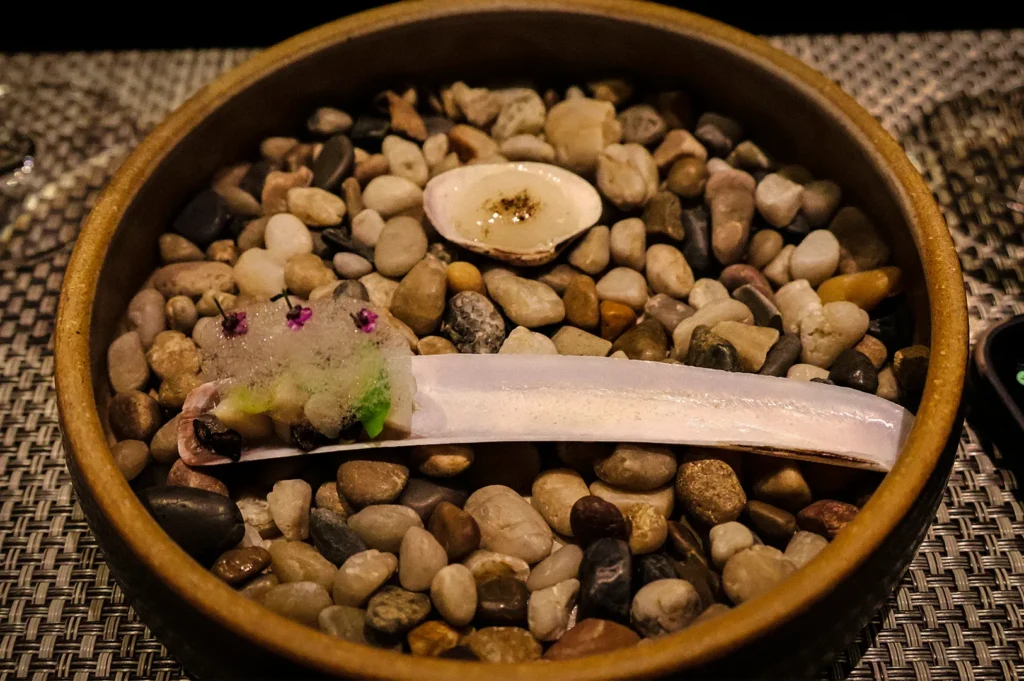
This is where people tense up, and they really shouldn’t. The rules are gentler than the internet makes them sound.
At a sushi counter or omakase, the main thing is to arrive on time; courses are paced, and a late guest throws off the whole sequence. Eat each piece soon after it’s set down, while the rice is still at body temperature.
Go light on the soy sauce. Use the ginger to cleanse your palate between pieces, not as a topping. And mention any allergies before the meal begins, not halfway through.
I made the soy sauce mistake once, drowning a beautiful piece of maguro nigiri at a counter. The chef said nothing, but I caught the small pause in his hands. The fish was already seasoned. He’d built it to be eaten as it was. He was right, and I’ve never reached for the soy bottle so freely since.
At an izakaya, the rhythm is the opposite of formal. Dishes are shared. You order a few things, eat, then order more — not everything at once.
Skewers and fried plates are best eaten hot, so don’t let them sit. It’s loose, social, unhurried. That’s the whole point.
Insider knowledge: Don’t rub disposable chopsticks together at a serious counter — it implies the chopsticks are cheap, which is a quiet insult to the house. At a casual izakaya, nobody cares. Read the room.
The Mistakes I See Most in Orchard Road Japanese Dining
Bill shock from “++”. I’ve covered it, but it bears repeating because it’s the most common one. That price is not the final price. Plan for the extra 19%.
Treating an izakaya like a regular restaurant. This was my own early error: ordering one main each, no sharing, waiting politely for plates. Izakaya is shared, staggered, communal. If you order it like a set-meal place, you’ll miss the entire experience. Order in rounds, pass everything around, let the night build.
After-work crowds have long understood this, which is why charcoal-grilled skewers and small late-night counters keep drawing people who’d rather share plates than sit through a formal dinner — and if you’re hunting for the kind of relaxed, smoky spot that gets it right, this roundup of the best izakaya singapore has quietly going is a good place to begin.
Assuming late-night means a full menu. “Open late” and “serving full food late” are two different things. Plenty of places stay open but switch to bar snacks or limited menus after a certain hour. If you’re heading out late and want a proper meal, confirm the kitchen’s still running before you sit down.
One Last Thing About Japanese Food in Orchard Central
Orchard isn’t one place. It’s a dozen different meals stacked on top of each other — the quick lunch, the celebration dinner, the quiet bowl eaten alone, the late skewers shared with friends when everywhere else has closed.
You don’t need to get it perfect. I certainly didn’t. I walked in circles, drowned my sushi, turned up after the kitchen shut. And I’d still visit tomorrow.
Pick your format. Mind the “++“. Show up early or late, not in the crush. Ask the staff what’s good. The rest sorts itself out.
Go hungry, go a little curious, and let the delicious meal you didn’t plan for surprise you. In Orchard, those are usually the ones that stay.
For more intimate Japanese food in Orchard, explore six top spots at Orchard Plaza. This guide covers several affordable picks for the best Orchard Plaza food in Singapore.
Frequently Asked Questions (FAQs)
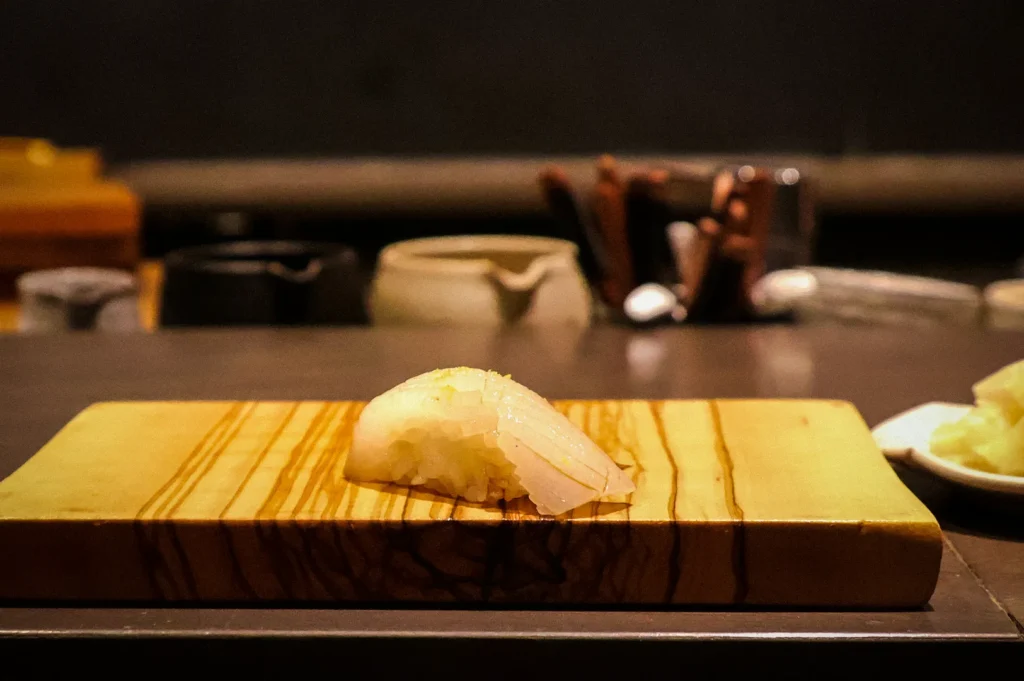
Q1: Why do many Orchard Plaza eateries have fewer than a dozen seats?
A: Many Orchard Plaza restaurants prioritize an intimate dining experience, often featuring fewer than a dozen seats. This allows chefs to engage closely with diners, ensuring personalized service and attention to detail.
Q2: Can you give examples of small, intimate dining spots in Orchard Plaza?
A: Yes. Tempura Shige has only eight counter seats, Katachi Sushi Bar offers just 10 seats for a cozy ambience, and Bistro Du Le Pin features around a dozen seats for a quiet dining experience.
Q3: Is seasonal seafood used in Orchard Plaza restaurants?
A: Absolutely. Seasonal seafood is flown in daily from Japan to maintain freshness and quality, enhancing the authentic Japanese dining experience.
Q4: Do sushi counters in Orchard Plaza also have limited seating?
A: Yes, sushi counters often have fewer than a dozen seats to provide an intimate setting where diners can observe chefs preparing dishes firsthand. For example, Sushi Masa by Ki-setsu has an 8-seat sushi counter.
Q5: What traditional Japanese dishes might I find in Orchard today?
A: Traditional dishes often include components like iron pot rice and extensive bento sets, which reflect the careful balance of taste, presentation, and quality.