
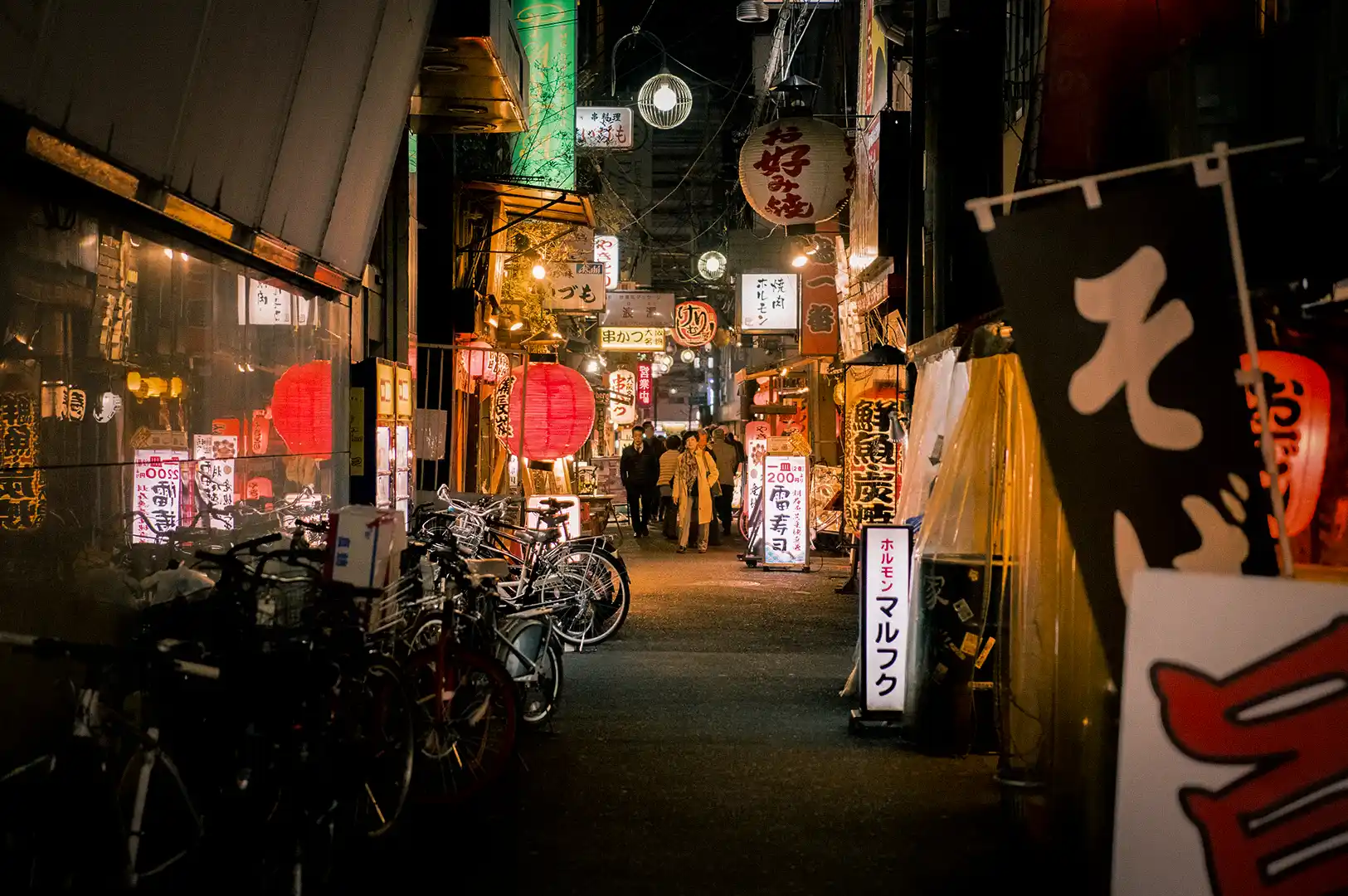
The first time I walked into a friendly traditional izakaya, I ordered like I was at a kopitiam.
One main each. No drinks.
I asked for a chicken rice bowl, my friend asked for ramen, and we sat there waiting for our plates the way you would at any food court. The server gave us a small look, not unkind, just puzzled, and I remember thinking, did I do something wrong?
I had. I just didn’t know it yet.
Izakayas aren’t really about the meal. They’re about the slow unfolding of an evening; small shared plates passed around, a cold drink sweating on the table, the grill hissing somewhere behind the counter.
It took me a few visits and a few clumsy mistakes to understand that. So let me save you the awkwardness I went through.
Here’s how I’d walk you through your first time at the perfect spot to unwind and enjoy authentic Japanese dining.
Start with Drinks, Not Food | Shunjuu Izakaya
This still feels strange to people raised on hawker culture, where food comes first and drinks are an afterthought. At an izakaya, it’s reversed.
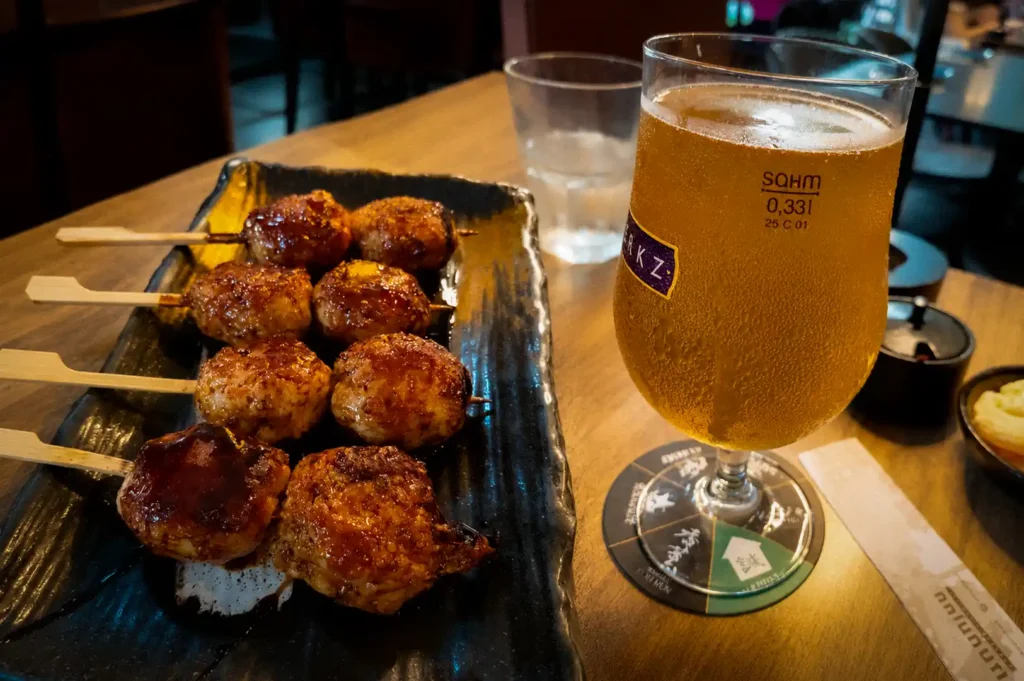
Order drinks before anything else. A beer ($8–$14), a highball ($10–$18), or sake if you’re feeling it ($12 and up). The whole rhythm of the place is built around work drinks and snacking together, slowly. The food supports the drink, not the other way around.
You don’t have to get drunk. I rarely do. But even one drink each changes the tempo of the night. I once went with a group who all ordered iced water, and the evening felt oddly flat, like watching a film with the sound off.
Tea works too if you don’t drink alcohol. The point is the ritual, not the booze.
Pro tip: Highballs are the safest first order. They’re light, refreshing, and cut through fried food beautifully. If the highball arrives watery or flat, that tells you something about the kitchen.
Begin Cold, Then Build Up | Issho Izakaya Recommendations
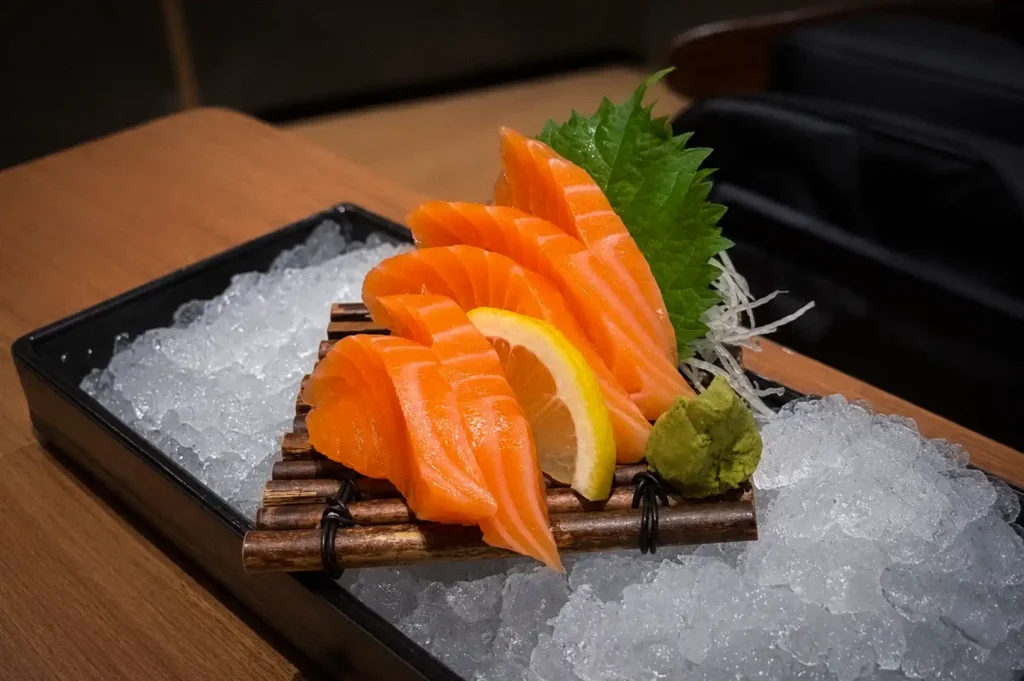
Once drinks land, start with something cold and simple. Edamame ($6–$8). A small sashimi plate ($18–$40). A salad to wake up your palate.
These appetisers aren’t the stars. They’re the warm-up. They give you something to pick at while you decide what’s next, and they ease you into the meal without committing to anything heavy.
I’ve learned to treat the cold starters as a pause. No rush. You’re settling in.
If you want to learn more about what is izakaya, this guide offers a clear introduction to its concept and dining experience in Singapore.
Move to the Skewers | Public Izakaya Favourites
This is the heart of it for me.
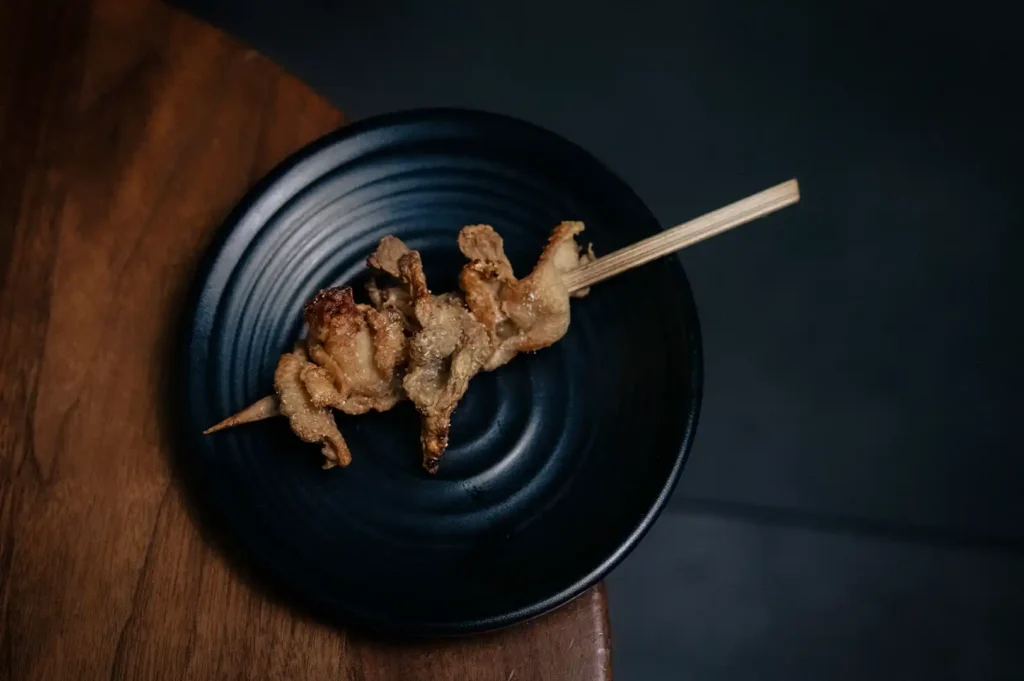
Yakitori, grilled skewers, usually charcoal, runs around $2.50 to $6 each. Chicken thigh, chicken skin, mushroom, pork belly. Order a handful across the table and share.
The first time I had properly grilled chicken skin, crisp and smoky off the binchotan, I understood what I’d been missing all those years treating Japanese food as just sushi.
There’s a real difference between a skewer that’s been charcoal-grilled to order and one that’s been reheated. You’ll taste the char. You’ll taste the care.
Insider knowledge: If you can sit at the counter facing the grill, do it. The skewers come to you faster and fresher, and watching the chefs work tells you everything about the place. Counter seats usually mean the kitchen takes its grilling seriously.
Add the Fried Things | Neon Pigeon Style
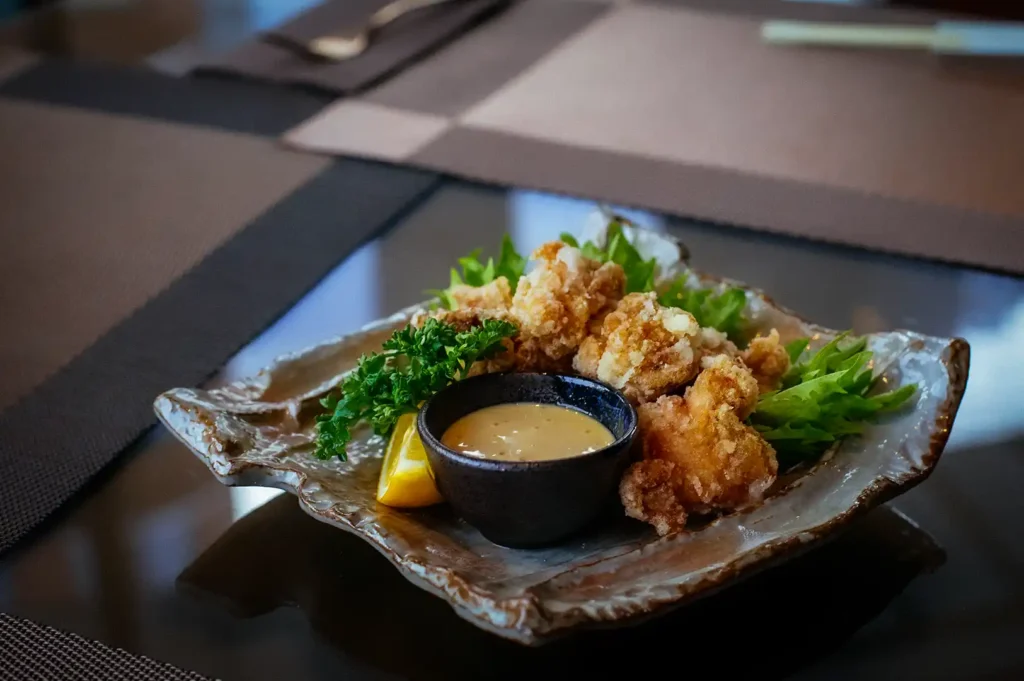
Now bring in the fried plates. Karaage (Japanese fried chicken), gyoza, tempura — usually $10 to $18.
Karaage is my comfort order. Juicy inside, shatteringly crisp outside, a squeeze of lemon over the top. It’s the dish I judge a new izakaya by.
If they get the simple things right, they usually get everything right.
Order these in the middle of the meal, not at the start. They’re best hot, straight from the fryer.
Finish with Something Heavier | Izakaya Closing Course
Only near the end do you reach for the proper mains — a rice bowl, a bowl of noodles, a hot claypot dish. These run $12 to $25.
This is the part that trips up first-timers most. You don’t lead with the donburi or rice bowl. You close with it, when the table’s slowed down and you want something to round things off. By then you might not even need much. That’s fine. The meal was never meant to be a single big plate.
A Quick Word on Cost | Izakaya Budget and Opening Hours
Let me be honest about money, because nobody likes a surprise bill.
- A light meal runs around $25–$40 per person.
- A standard dinner with a couple of drinks lands closer to $40–$70.
- If you’re settling in for a proper drinking session, it climbs to $70–$120 or more.
Remember service charge and GST add roughly 19% on top. Always. So that $50 in your head is really closer to $60. Factor it in before you order that third round of shochu or sake.
Common Mistakes I Made So You Don’t Have To | Izakaya Experience Tips
- Over-ordering at the start. My worst habit early on. We’d order eight dishes at once, everything arrived in a chaotic wave, and half of it went cold before we touched it. Order in rounds — two to four dishes at a time. Then order more. The kitchen paces it for you if you let it.
- Skipping drinks entirely. Covered this already, but it bears repeating. The experience just doesn’t sing without at least one drink in hand.
- Treating it like a normal restaurant. This was my very first error. One main each, no sharing, waiting politely. Izakaya is shared, communal, staggered. Lean into it.
- Ignoring the staff. Ask for recommendations. The seasonal specials and the off-menu grilled fish are often the best offerings in the building, and the staff will steer you in that direction if you ask. I’ve had some of my favourite dishes this way.
Pro tip: When the extensive menu overwhelms you, just say “what’s good today?” and let them decide. It’s the move I rely on most.
One Last Thing | Trust the Izakaya Spirit
Your first izakaya doesn’t need to be perfect. Mine certainly wasn’t; I got it wrong in nearly every way and still walked out wanting to come back.
That’s the thing about these places. They forgive your fumbling. Order a drink, share some skewers, ask the staff what’s good, and let the evening move at its own pace. You’ll find your footing by the second round.
Go hungry, go curious, and don’t overthink it. The best meals here are the ones you ease into slowly — one small plate at a time, enjoying all the izakaya favourites, fresh seasonal produce, and good vibes that make every visit a fun and memorable experience.
For those looking to explore the best izakaya in Singapore, this comprehensive list offers a great starting point to discover some of the city’s top izakaya experiences beyond the usual favorites.
Frequently Asked Questions (FAQs)
Q1. What types of grilled skewers does Shunjuu Izakaya offer?
Shunjuu Izakaya boasts over 60 types of kushiyaki, which are various grilled skewers including yakitori, highlighting its focus on authentic charcoal-grilled Japanese flavors.
Q2. Where is Issho Izakaya located and what is its dining style?
Issho Izakaya is located at Marina One The Heart in Singapore’s CBD, offering a modern yet traditional izakaya experience with a menu featuring fresh seafood, grilled items, and shared plates.
Q3. What kind of cuisine and atmosphere can I expect at The Public Izakaya?
The Public Izakaya serves traditional izakaya cuisine for the masses, featuring staples like yakitori, oden, buta kakuni, and jaga mentaiko, in a lively, casual environment perfect for groups and after-work gatherings.
Q4. How does Neon Pigeon stand out among izakayas?
Neon Pigeon offers a modern take on izakaya dining with bold, creative dishes, fresh sashimi platters, and a cocktail program recognized for its inventive drinks and sake selections, all served in a vibrant atmosphere designed for conversation and fun.
Q5. What are common dishes and drinks found at izakayas in Japan and Singapore?
Typical izakaya menus include yakitori, karaage, sashimi, pickles, oden, miso soup, and chirashi don like bara chirashi. Many izakayas offer extensive sake selections—sometimes over 60 labels—and all-you-can-drink courses, while Singapore izakayas often emphasize popular dishes like wagyu, scallops, and fresh seafood.