
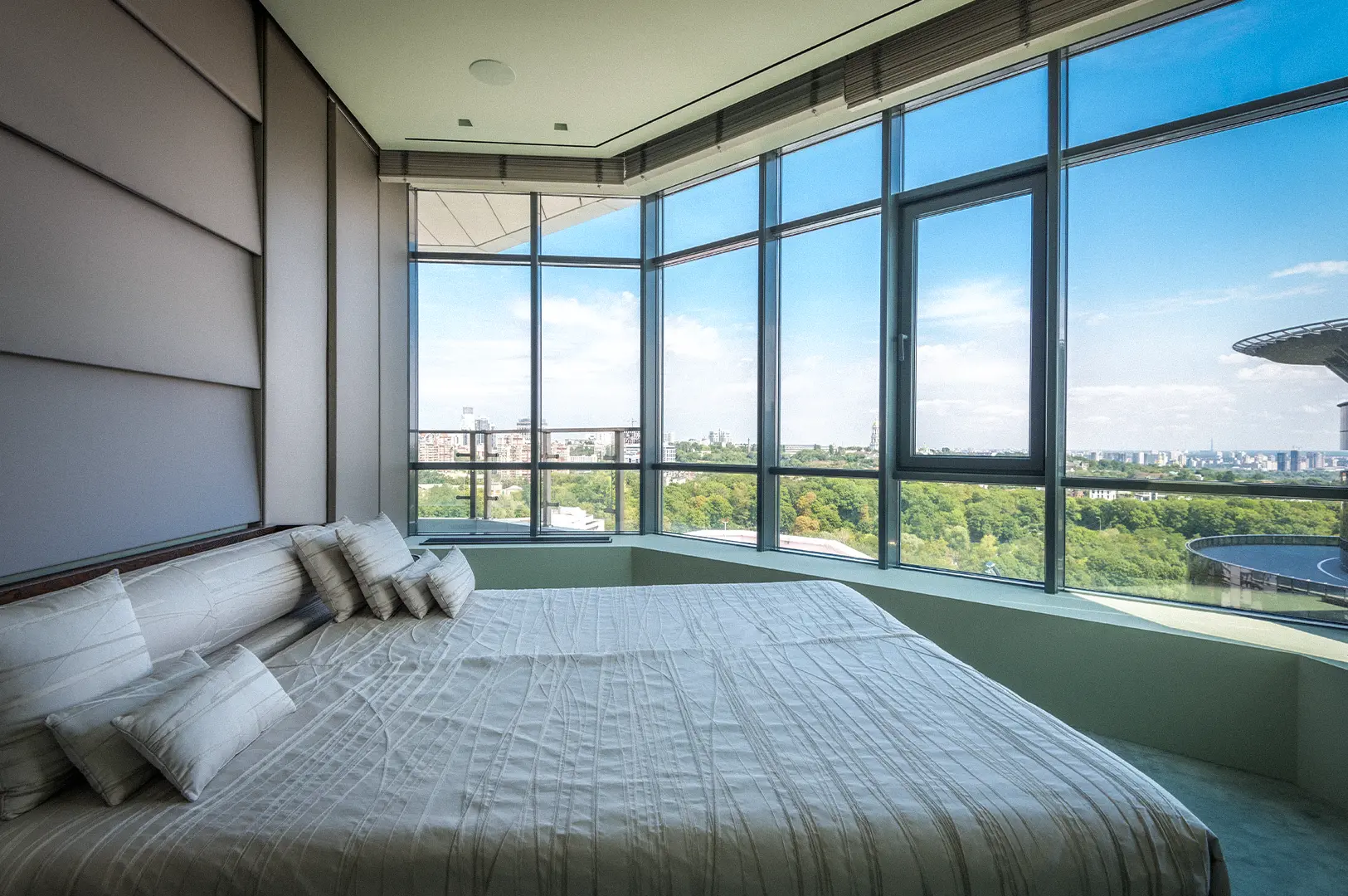
There is a certain feeling when you step into a hotel that immediately changes your pace.
Not because anything dramatic happens.
But because everything around you moves slightly slower than the city outside.
The doors close behind you. The air feels cooler. The lighting becomes softer. Even the way people speak seems more measured.
For a moment, Singapore feels far away, even when you are still in it.
I noticed this recently during a stay at a space that still holds on to a quieter kind of hospitality. The kind that does not try too hard to impress you with novelty. Instead, it leans on something more difficult to describe.
Calm.
You see it in the way staff move. In how guests are guided rather than rushed. In how rooms feel less like design statements and more like places meant for actual rest.
It reminded me of how rare this feeling has become.
Most staycations today are about stimulation.
Infinity pools.
Instagrammable lobbies.
Breakfast spreads that look almost too curated to eat.
But there is another type of stay that feels increasingly uncommon in Singapore.
One that does not try to fill every moment.
That feeling is exactly what I experienced at Shangri-La Valley Wing.
It is not loud luxury.
It is quiet luxury.
And the difference matters more than it first appears.
Quiet luxury does not announce itself.
It does not ask you to take photos immediately.
It does not rush you from one “experience” to another.
Instead, it gives you space.
Space to sit. Space to think. Space to do absolutely nothing without feeling like you are wasting time.
At first, that can feel unfamiliar.
We are used to environments that prompt activity.
Check in. Explore. Swim. Eat. Repeat.
But in slower hotel spaces, something different happens.
You start noticing details you normally ignore.
The sound of footsteps on carpet.
The rhythm of afternoon light shifting across the room.
The way time feels less segmented.
You stop trying to maximise the stay.
That is often the moment the experience changes.
Because you are no longer treating the hotel like a checklist.
You start treating it like a pause.
There is a kind of hospitality that understands this instinctively.
It does not interrupt you with constant suggestions.
It lets you settle into your own pace.
I think that is what makes old-world hotel experiences so distinct in Singapore’s modern hospitality landscape.
They are not trying to compete for attention.
They are trying to remove it.
And in doing so, they create something surprisingly rare.
Stillness.
You notice it most in between moments.
After breakfast but before you decide what to do next.
After a swim but before you return to your room.
Late afternoon when the city outside is still moving at full speed, but you are not part of it for a while.
Those gaps become the real experience.
Not the activities themselves.
This is also why some staycations feel more memorable long after checkout.
Not because more things happened.
But because fewer things did.
Stillness leaves more room for memory.
In a city like Singapore, where most days feel structured and efficient, that becomes even more noticeable.
We are constantly moving between places, decisions, and schedules.
A hotel that removes that pressure even briefly changes how the city feels when you return to it.
The MRT feels faster.
The roads feel louder.
Even your own thoughts feel slightly more hurried again.
That contrast is part of the experience too.
It is not just about where you stay.
It is about what pace you temporarily return to.
And what pace you return from.
Some staycations are remembered for their facilities.
Others are remembered for how they made you feel in between everything else.
Slow.
Unrushed.
Present.
And maybe that is enough.
Because not every stay needs to be filled.
Some just need to give you space to notice time again.
For readers curious about this kind of stay, this topic captures how a quieter, more deliberate approach to hospitality still exists within the city.