
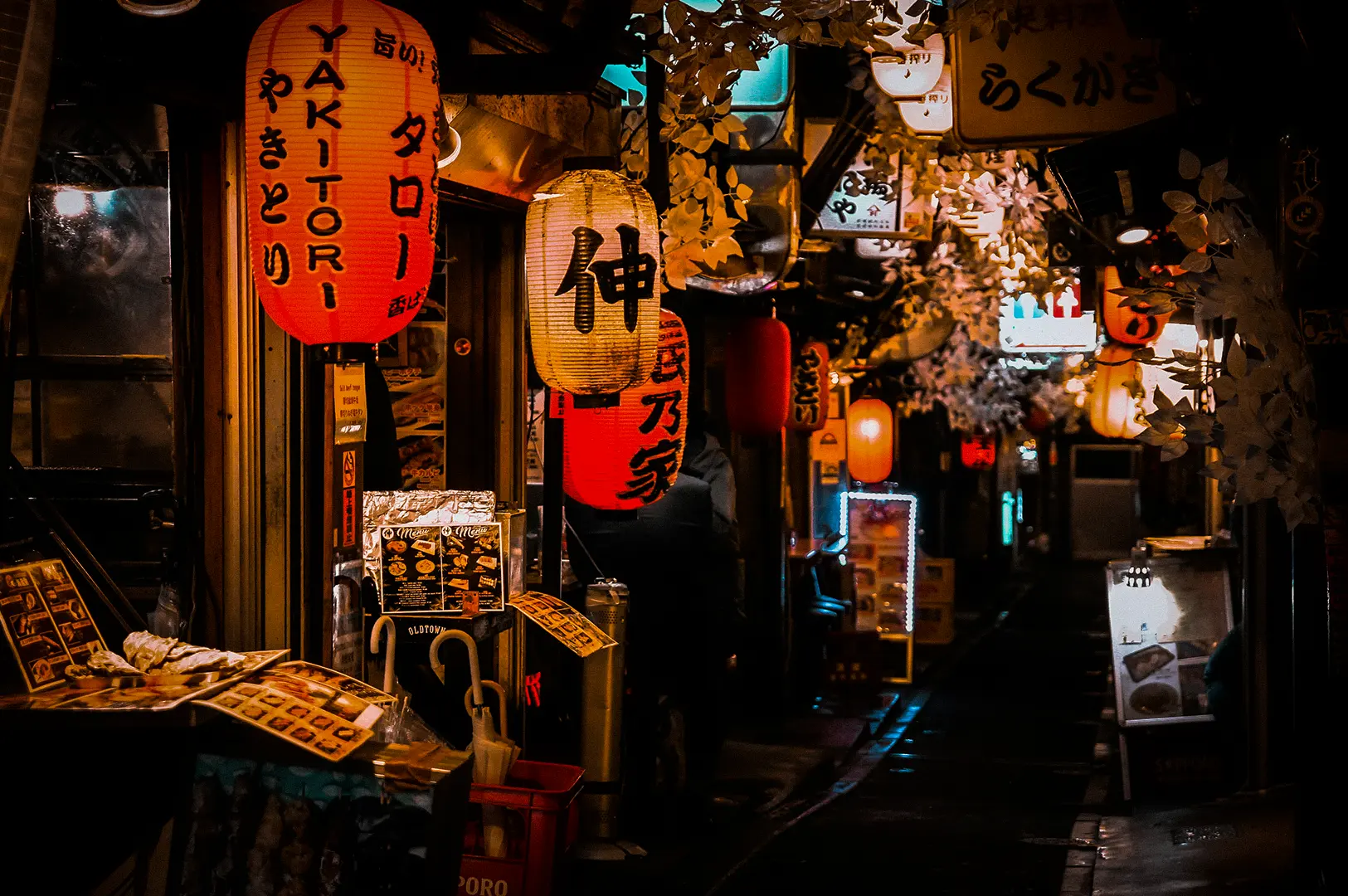
Not all izakaya bars are the same, and that is exactly the point.
I have walked into a quiet counter spot in Tanjong Pagar at 6pm on a Tuesday and felt completely at ease.
I have also walked into a loud, packed yakitori bar on a Friday night with a group of eight and had one of the best evenings I can remember. Same concept, completely different energy and ambience.
Both were right for what they were.
The real question is not whether izakaya bars are good. Most decent ones are. The question is which one fits what you need on a given night.
What Kind of Izakaya Bar Are You Actually Looking For? Japanese Food Experiences
Before you search for a name or a location, it helps to think about what kind of experience you want.
Izakaya bars in Singapore broadly fall into a few types.
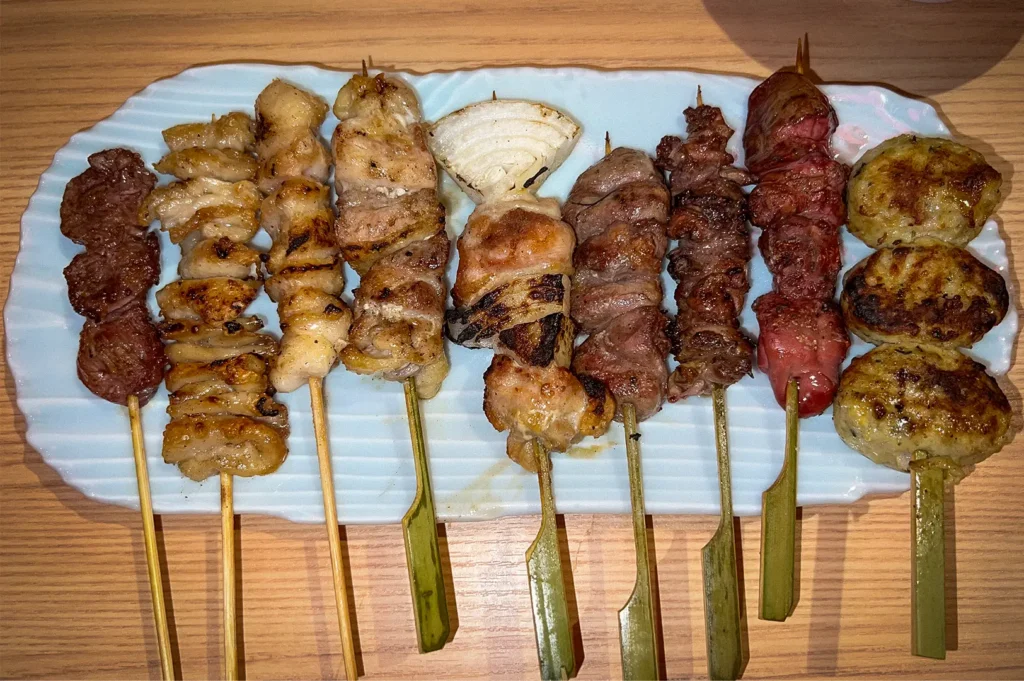
There are yakitori-focused spots built around charcoal grills and skewers. There are sake and shochu bars that lean heavily into curated drink lists with food as a supporting act.
There are modern izakayas in the CBD that cater to the after-work crowd. And there are neighbourhood spots that feel more like a local Japanese pub than a polished dining destination.
Each suits a different occasion and a different group of customers.
Knowing which category you are walking into saves you from booking a moody counter seat for a rowdy group birthday, or dragging a quiet colleague into a bar that peaks at midnight.
If you want to learn more about what is izakaya, and explore the different styles and experiences it offers, this page will help you navigate everything you need to know before your next visit.
Choosing by Food Style: Karaage Chicken and More
Food is the core of any izakaya bar, and the style of the kitchen tells you a lot about the overall experience.
If grilled food is what you are after, look for places with an open kitchen and a visible charcoal grill. The clean smell of smoke is a good sign. Yakitori spots will have chicken thigh, chicken skin, and pork belly skewers as staples, and the best ones cook to order over real binchotan charcoal. I always check whether skewers are priced per stick before I sit down, because a low number on the menu can quickly multiply.
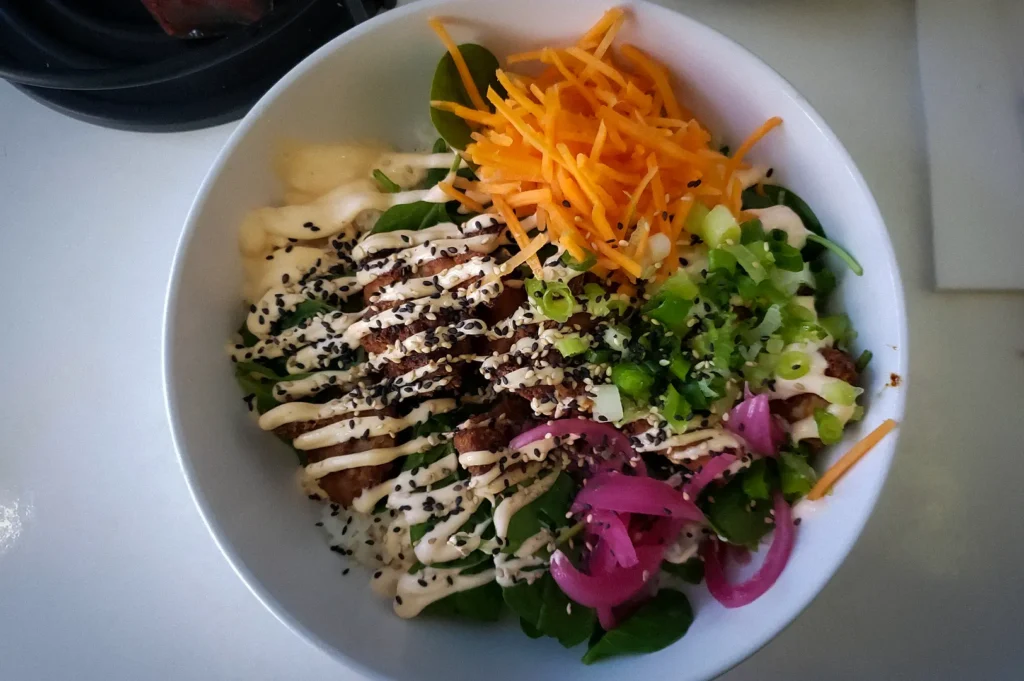
If you want variety, a more general izakaya menu will offer cold starters like sashimi and goma wakame salad alongside grilled items, with rice or noodle dishes to finish. Small plates designed for sharing are a popular feature. Dishes like duck gyoza with foie gras, karaage chicken, or kfc bao with gochujang aioli add creativity and flair.
A good balance across the menu usually means the chefs have range. An oversized menu that covers everything from ramen to pasta is often a sign that nothing is done particularly well.
Pro tip: A focused menu is usually a better sign than a long one. Look for a place that knows what it does and does it consistently.
Choosing by Atmosphere: The Neon Pigeon Vibe
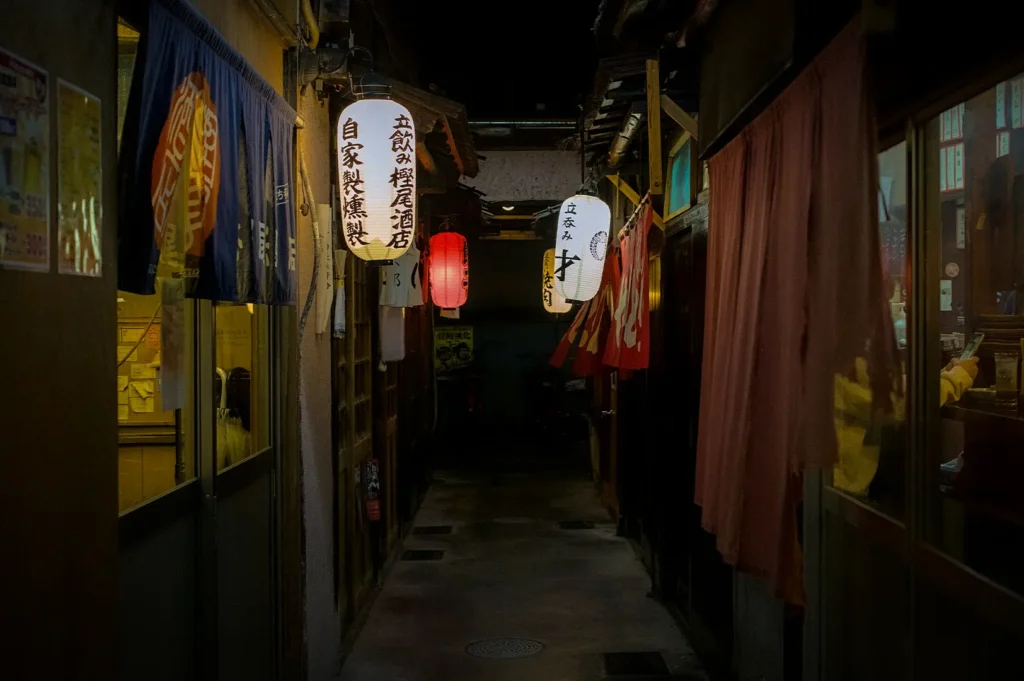
Atmosphere matters as much as food when you are choosing an izakaya bar in Singapore.
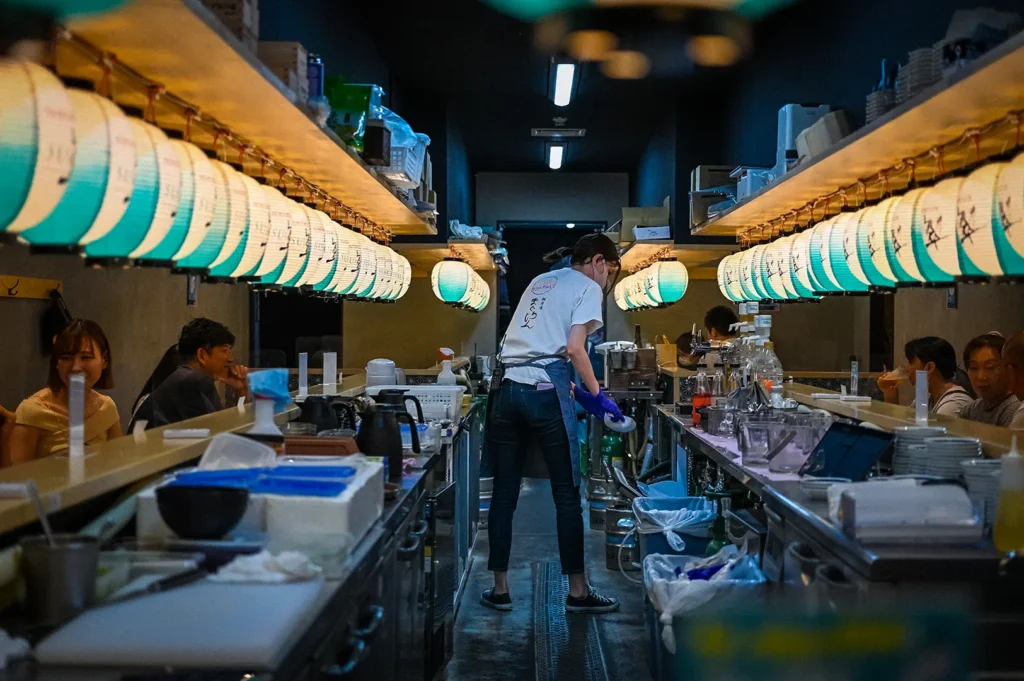
For a quieter evening, go early. Most izakayas are noticeably calmer between 5.30 and 7pm. The seats fill gradually, the noise level stays manageable, and you can actually hear the conversation across the table. This is the window I would recommend for a date night, a work dinner, or any occasion where you want to be heard.
From 7pm onwards, the energy shifts. This is the social hour. Tables fill, drinks flow, and the room hums. If you are coming with a group and the point is to have a good time rather than a quiet meal, this is exactly the right window.
For late-night visits, expect a more drinking-focused mood. Food orders slow down and the bar takes over. Some places in Tanjong Pagar and Robertson Quay are built for this, with their best energy coming after 9pm.
The walls often have decorations or art written in Japanese, adding to the authentic feel reminiscent of Tokyo izakayas in Japan, bringing a slice of the city’s vibrant nightlife to Singapore.
Choosing by Budget
A lot of people assume Japanese dining means omakase pricing. It does not.
- Casual izakaya bars in Singapore generally run about $30 to $60 per person.
- Mid-range, livelier spots sit closer to $60 to $100 per person.
- Premium sake-focused bars can climb past $150 depending on how much you drink.
The honest caveat: always factor in the 10% service charge and 9% GST. A table that looked like a $50 dinner often lands closer to $60 or $65 on the actual bill. It is not a surprise if you plan for it.
Insider knowledge: If money matters, the safest approach is to set a rough per-head spend before you order and pace the drinks accordingly. Drinks like beer, sake, and shochu are usually where the bill grows fastest. A glass of sake or a cocktail can quickly pair with your food and add up at the end of the night.
Choosing by Occasion
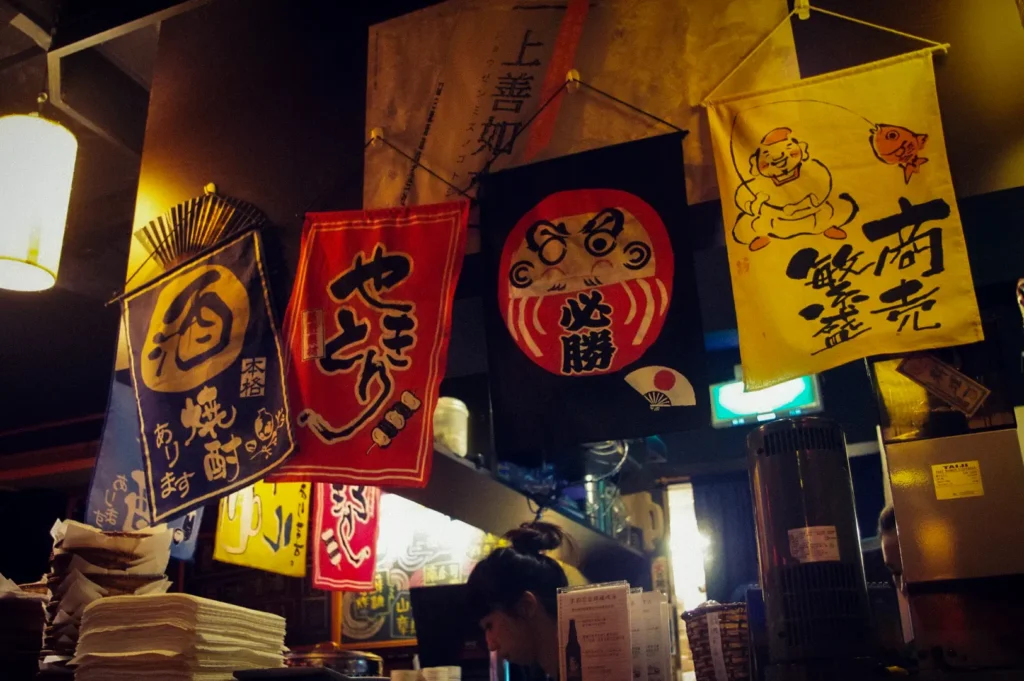
Different occasions call for different choices.
Casual catch-up with friends: Almost any mid-range izakaya works here. Look for communal tables, a reasonable drinks list, and a menu with plenty of sharing options. The vibe should feel easy, not formal.
First date: I think izakayas work well for this. Shared plates give you something to do and something to talk about. The relaxed pacing takes the pressure off. A counter seat at a yakitori bar is a solid call, it is informal enough to feel low-stakes but interesting enough to spark conversation.
After-work drinks with colleagues: CBD izakayas are built for this. They fill up quickly on weekday evenings and have the kind of easy menu that suits groups with mixed preferences. Arrive by 7pm if you want a seat without waiting.
Celebration dinner: Look for a spot with a more curated menu, a decent sake or whisky list, and enough space to accommodate your group comfortably. Premium izakayas in Tanjong Pagar or Robertson Quay tend to work well here.
Solo dining: Absolutely possible, and honestly one of my favourite ways to eat. Counter seats facing the grill are ideal. You can order at your own pace, watch the kitchen work, and enjoy a quiet evening without any social choreography.
What to Look For and What to Avoid
Once you have shortlisted a few options, it helps to know the signs of a good izakaya and the ones that suggest otherwise.
Signs worth looking for:
- An open kitchen with visible grilling and the clean smell of charcoal
- A focused menu rather than a sprawling one
- Fresh sashimi and seafood on display if they serve it
- Pricing that feels consistent and fair
Red flags to watch for:
- Drinks that taste watered down or inconsistent across rounds
- A menu that tries to cover too many cuisines or lacks fresh vegetables
- A chaotic floor with no clear sense of how service works
- Aggressively promoted happy hour deals with unclear pricing structures
Trust what the room tells you when you walk in. A good izakaya feels considered, even when it is busy.
Best Areas in Singapore for Izakaya Bars
If you are wondering where to begin, a few neighbourhoods do this particularly well.
- Tanjong Pagar is the unofficial heart of Japanese food dining in Singapore. You will find everything from tiny yakitori counters to sake-focused bars here.
- Robertson Quay offers a more relaxed, riverside feel, good for a slower evening.
- Orchard has its share of solid spots tucked inside malls and side streets.
- The CBD comes alive after work, with izakayas built for the office crowd unwinding over highballs, cocktails, and beer with colleagues.
If you want a more detailed list of specific places across these neighbourhoods, read more on this page.
Frequently Asked Questions
Do I have to drink alcohol at an izakaya bar?
No. Most izakaya bars in Singapore offer non-alcoholic options including green tea, soft drinks, and fruit sodas. The atmosphere is built around drinking culture, but there is no pressure to participate.
How much should I expect to spend?
Casual izakayas run about $30 to $60 per person. Mid-range spots land at $60 to $100. Premium options can exceed $150. Add 10% service charge and 9% GST to your final bill.
Is an izakaya good for a first date?
I think so. The casual, social setting takes the pressure off, and shared plates give you something to talk about. A counter seat at a yakitori bar is a particularly good choice.
How long does an izakaya meal usually take?
Plan for around one and a half to two hours, depending on how many rounds you order.
Can I go to an izakaya bar alone?
Absolutely. Counter seats facing the grill are well-suited to solo diners. It is a comfortable, unhurried way to eat.