
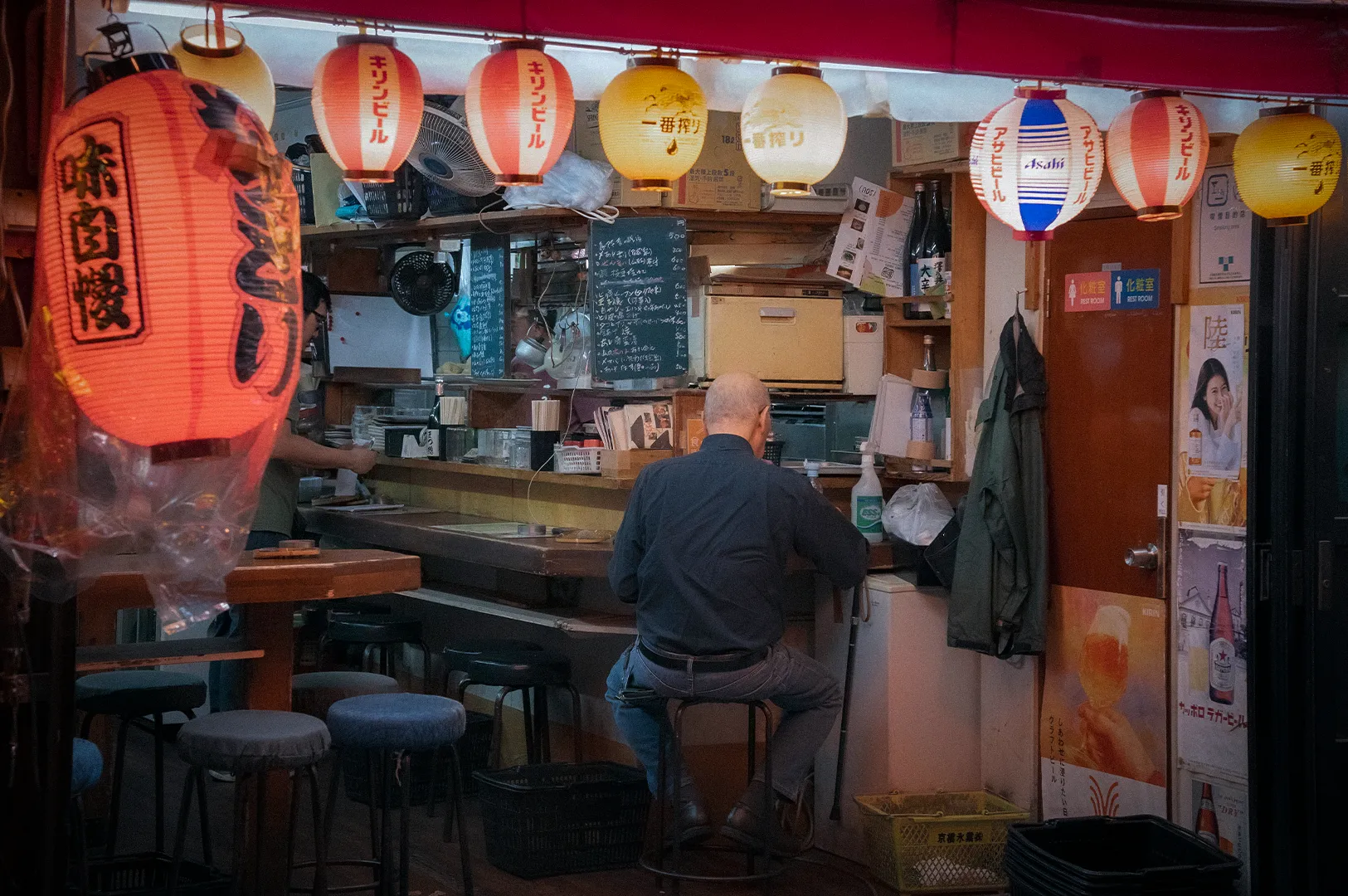
If you have ever wondered what is izakaya, the simplest answer is this: an izakaya is a casual Japanese bar and dining space where food and drinks are enjoyed together in a relaxed, social setting.
In Singapore, many of us first stumble across the word while searching for yakitori bars, Japanese pubs, sake spots, or somewhere to grab late-night Japanese food after work. You see the term on shop signs, in food reviews, and across delivery apps, but the meaning is not always clear.
That is exactly what this guide is for. A japanese izakaya sits somewhere between a restaurant and a bar, and it has its own rhythm, etiquette, and food culture. Below, I will walk you through what izakaya means, how it differs from a regular Japanese restaurant, what izakaya food typically includes, the drinks involved, what to expect locally, and how to find an izakaya that suits your group.
By the end, you should feel confident ordering, sharing, and enjoying an izakaya night the right way.
What Is Izakaya?
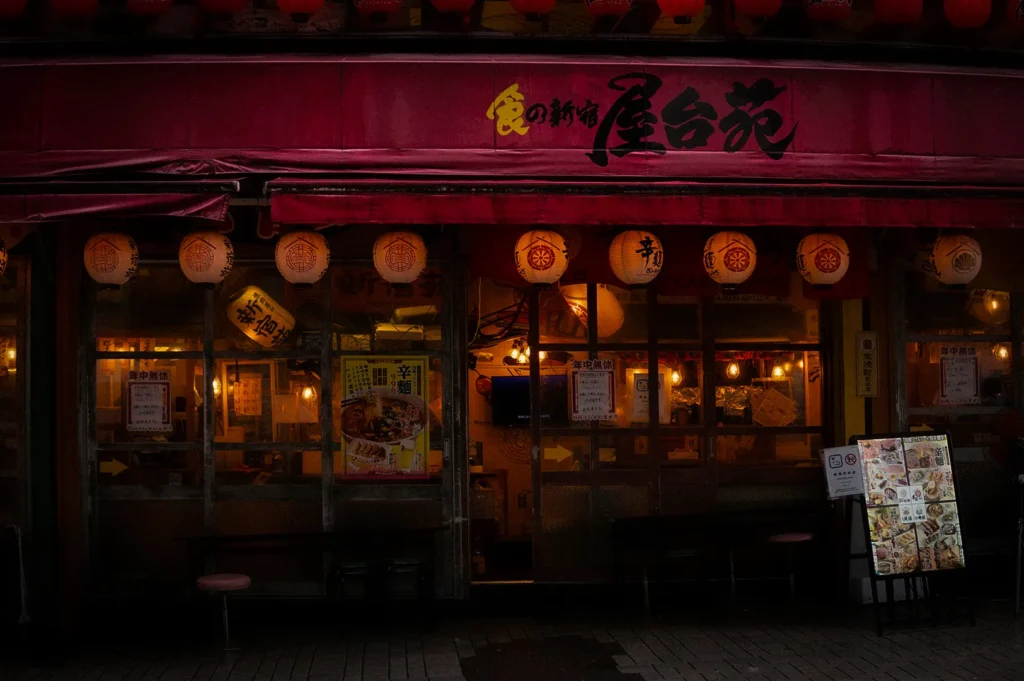
The japanese word izakaya comes from the idea of staying inside a sake shop to drink. The early concept was tied to sake shops and liquor stores where customers would linger, sip, and slowly start eating small dishes alongside their drinks.
Over time, these informal spots grew into proper venues. Izakayas became places where Japanese people could relax after a long day, drink alcohol, and share small dishes with friends or colleagues. They are deeply woven into Japanese culture as spaces for casual social dining rather than formal meals.
When people search for what is izakaya restaurant, they are usually trying to understand whether it is a bar or a restaurant. The honest answer is that it is a mix of both. An izakaya is not only a drinking place and not only a restaurant. It is a comfortable middle ground built around conversation, sharing, and unhurried eating.
How a Japanese Izakaya Differs From a Regular Japanese Restaurant
A typical Japanese restaurant in Singapore tends to focus on one thing. A sushi restaurant centres on sushi, a ramen shop perfects its broth, and a teishoku-style spot serves a fixed set meal with rice, soup, and a main.
An izakaya works differently. Most izakaya meals are shared, flexible, and ordered in rounds. You start with a few small portions, see how everyone feels, then order more as the night goes on. This gradual ordering style is part of the fun.
You can expect bite sized pieces, a relaxed atmosphere, and often a vibrant atmosphere with other customers chatting nearby. Some venues offer private rooms for larger groups, while others keep things open and lively.
Many izakaya spots are casual, but some can be polished or modern. Chain izakaya places, in particular, often have wider menus, affordable prices, clearer ordering systems, and sometimes time limit policies during busy hours.
What Is Izakaya Style Food?
Izakaya style food is built around small, shareable dishes designed to go well with drinks. It is sometimes compared to tapas bars because plates are shared and ordered gradually, but it firmly belongs to japanese cuisine and japanese style dining with its own traditions.
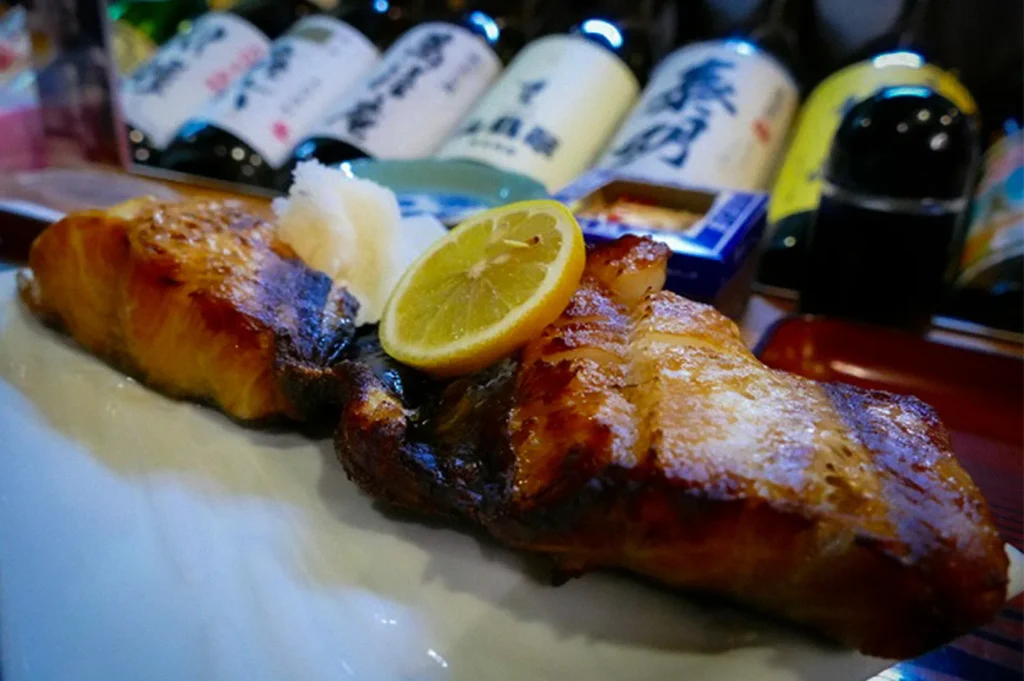
The beauty of an izakaya menu is variety. Rather than one fixed main course, the menu boasts a wide spread of grilled meat, grilled fish, fried food, raw fish, seasonal fish, vegetables, noodle dishes, rice dishes, and light snacks.
This range creates a delightful contrast across the table. You might have hot skewers next to cold sashimi, or crispy fried items beside fresh pickles. These delicious dishes are meant to be mixed, matched, and passed around.
Common Izakaya Food and Menu Items to Know
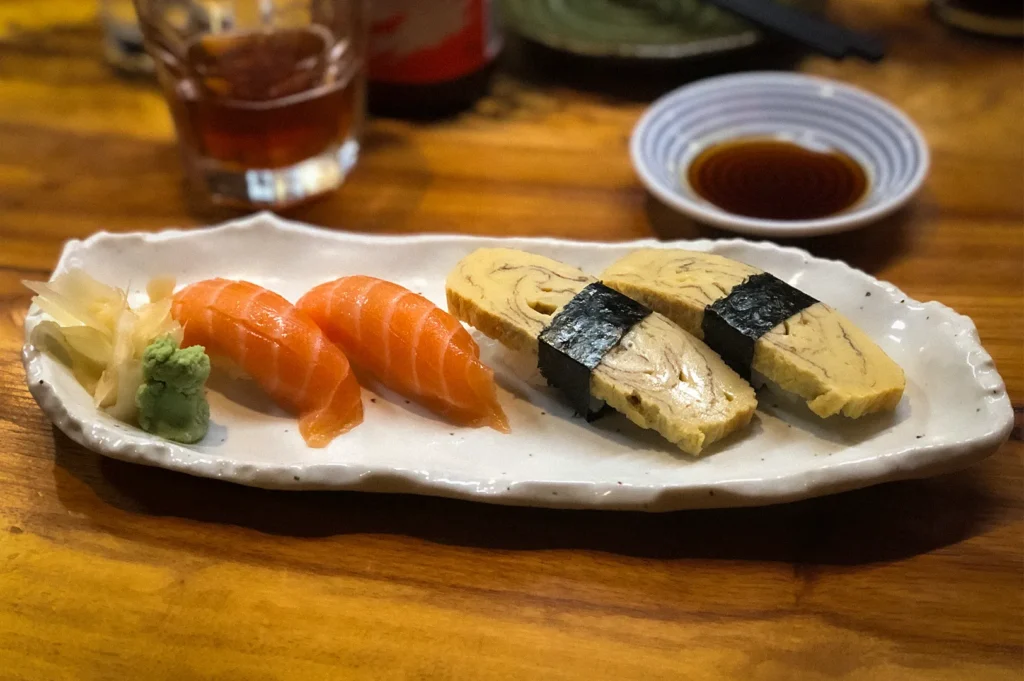
Here is a closer look at the main types of izakaya food and the menu items you will see most often.
Grilled chicken skewers and chicken skewers
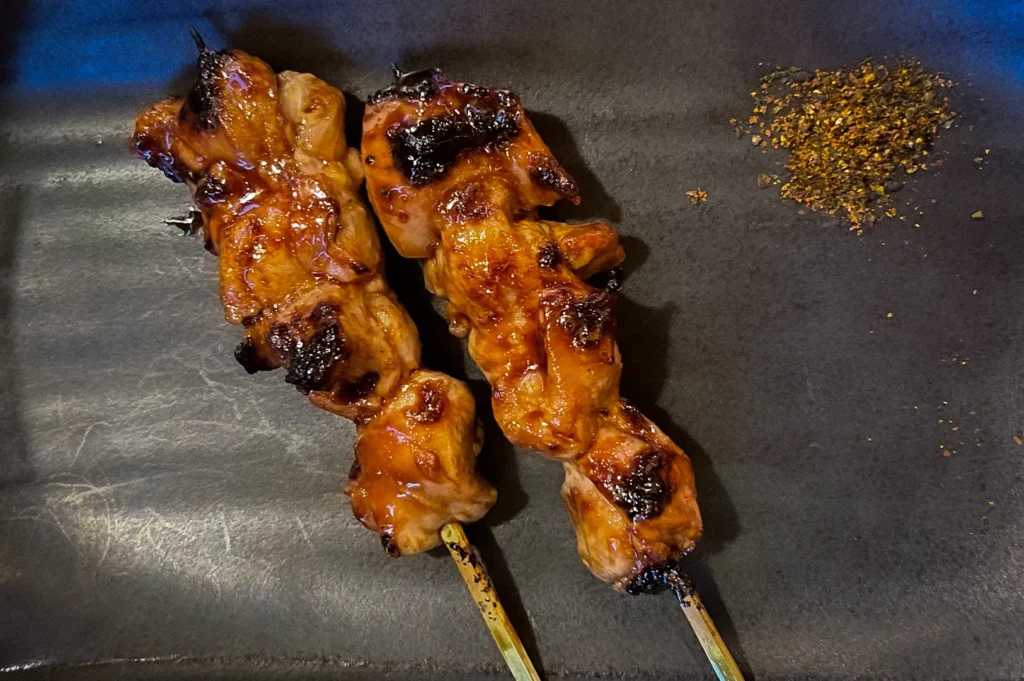
Yakitori, or grilled chicken skewers, are an izakaya staple. Pieces of chicken are skewered and grilled over charcoal, then seasoned with salt or a sweet-savoury sauce.
You will also find chicken skewers using different parts, grilled meat varieties, chicken wings, and sometimes fried cartilage for the adventurous. Grilled vegetable skewers round out the selection. Many diners start with familiar skewers before moving on to more unusual cuts.
Fried food and crunchy delights
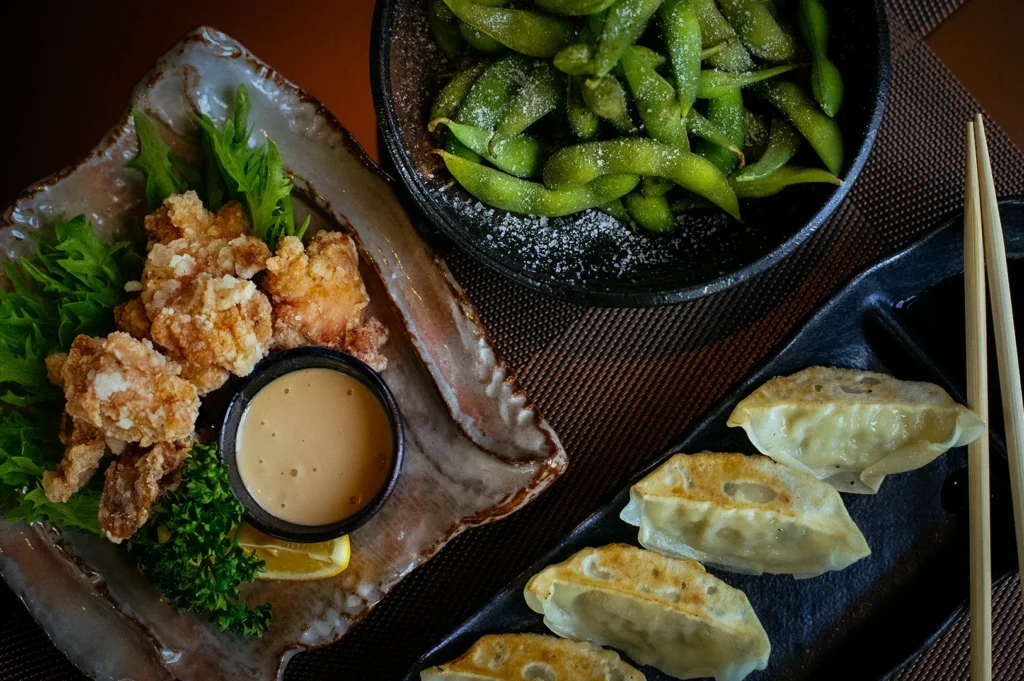
Fried items are a big part of the izakaya experience. Think fried chicken (karaage), fried squid, french fries, and deep fried vegetables.
These crunchy delights are easy to share and pair beautifully with cold beer or a refreshing glass of soda water.
Seafood and raw fish
Many izakayas serve raw fish, grilled fish, seasonal fish, and small sashimi-style plates. These dishes highlight freshness and simple seasoning.
Quality here depends heavily on the kitchen and the restaurant’s focus. Seafood-leaning izakayas will naturally do these dishes better than spots built around skewers.
Small appetizer, snacks, and simple sides
Light bites help balance heavier food. A small appetizer like pickled plum, edamame, pickles, or chilled tofu is common.
These small dishes cleanse the palate and keep the meal from feeling too rich after rounds of grilled and fried items.
Noodle dishes and finishing dishes
Toward the end of the night, many izakayas offer noodle dishes, rice dishes, and heartier closing food.
Singapore diners often appreciate these because they make the meal feel complete, especially after a stretch of smaller plates.
Food and Drinks at an Izakaya
The combination of food and drinks sits at the heart of izakaya culture, but you do not have to drink alcohol to enjoy yourself.
Classic options include beer, especially an ice cold beer, and the chance to enjoy sake in its many styles. For those who prefer not to drink, there are usually soft drinks, non alcoholic drinks, oolong tea, soda water, and sometimes pickled plum-based drinks.
Food is generally chosen to pair with drinks, but izakayas remain very enjoyable for non-drinkers. In Singapore, groups often include both drinkers and non-drinkers, so it helps when a menu offers plenty of soft drinks alongside the alcohol.
What to Expect From the Izakaya Experience in Singapore
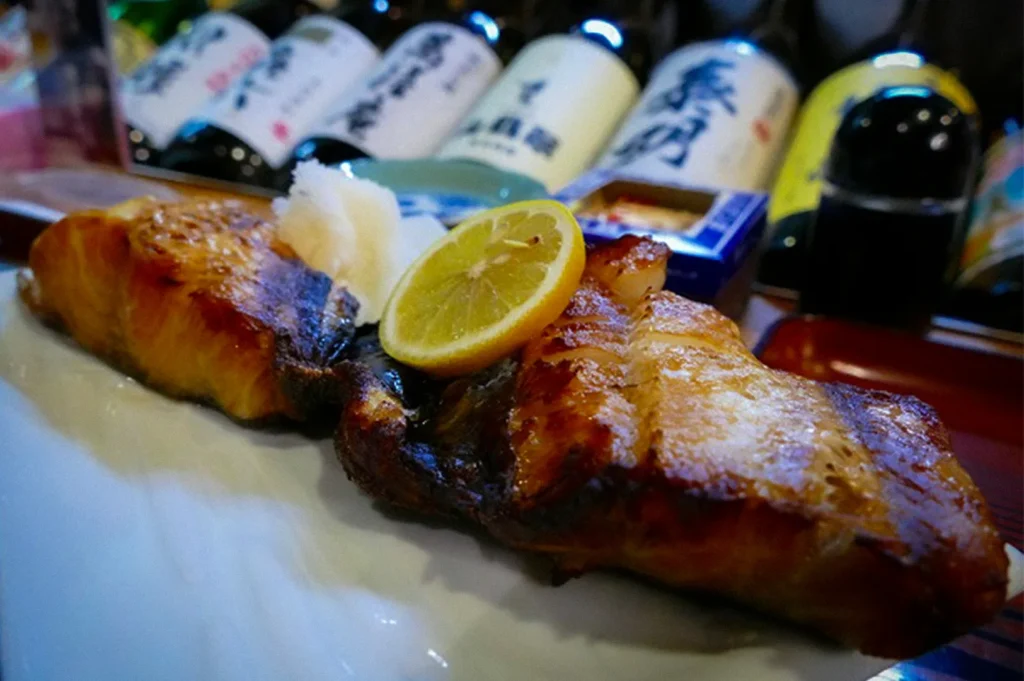
The izakaya experience in Singapore tends to be social and easygoing. These spots are popular for after work dinner parties, group meals, date nights, late dinners, and casual gatherings where friends share dishes across the table.
You can expect a relaxed atmosphere and often a vibrant atmosphere with lively conversation around you. Some venues offer private rooms for bigger groups.
A few practical notes matter. Some smaller or more traditional setups may have time limit policies, minimum orders, or a seating charge. A small appetizer charge is common in Japan and may appear at certain izakayas here too. If you are unsure, check the menu or simply ask the staff.
On smoking, do not assume indoor smoking is allowed. In Singapore, the indoor smoking ban and local regulations control where smoking is permitted, usually only in designated areas.
As for etiquette, keep noise reasonable, share dishes properly with everyone, and be mindful of other customers by not lingering past your time limit when the place is busy.
How to Find Izakaya Places That Suit You
When you set out to find izakaya spots, it helps to know what you actually want from the night.
You can choose between casual yakitori bars, chain izakaya outlets, sake-focused bars, seafood-focused izakayas, and modern Japanese bars. Each offers a different mood and menu strength.
The best izakaya for you depends on your purpose. Are you after affordable prices, a strong drinks list, excellent grilled chicken skewers, fresh raw fish, private rooms for a group, or simply good late-night food? Your priority shapes the right choice.
Most regulars develop personal favorites over time based on these factors. Before settling in, scan the menu items, check the food, drink, beer, sake, and non alcoholic drinks options, and look out for small dishes and seasonal ingredients that signal a kitchen that cares.
For specific places to consider, read our guide to the 12 best izakaya in Singapore:
https://eatplaystay.com.sg/12-best-izakaya-singapore-casual-yakitori-bars-hidden-late-night-spots/
Final Thoughts on Izakaya Food and Japanese Dining Culture
So, to bring it back to the start: an izakaya is a casual Japanese bar and dining space built around food and drinks, small dishes, and relaxed social dining.
It is neither a strict restaurant nor purely a bar. It is a place to slow down, share plates, and enjoy good company, which is why it fits so naturally into Singapore’s love of group meals and after-work gatherings.
Before you choose where to eat, take a moment to understand the format. Knowing how ordering, sharing, and pacing work will make your first izakaya night far more enjoyable.
FAQ
1. What is izakaya?
An izakaya is a casual Japanese bar and dining space where food and drinks are enjoyed together. It blends the feel of a restaurant and a bar, with small shareable dishes ordered gradually over the evening.
2. What is izakaya restaurant?
People often search this when trying to decide if an izakaya is a bar or a restaurant. It is genuinely both. You can dine on a full spread of small dishes while also enjoying beer, sake, or non-alcoholic drinks.
3. What food is served at an izakaya?
Expect izakaya food like grilled chicken skewers, fried chicken, fried squid, grilled and raw fish, edamame, pickles, tofu, and noodle or rice dishes to finish. The menu favours variety and sharing over one fixed main.
4. Do you have to drink alcohol at an izakaya?
No. While beer and sake are popular, izakayas usually offer soft drinks, oolong tea, soda water, and other non-alcoholic options. They are enjoyable for both drinkers and non-drinkers.
5. How do I find izakaya places in Singapore?
Decide what you want first, whether that is affordable prices, great skewers, fresh seafood, private rooms, or late-night food. Then check the menu for the food, drinks, and seasonal ingredients that match your group’s preferences.