
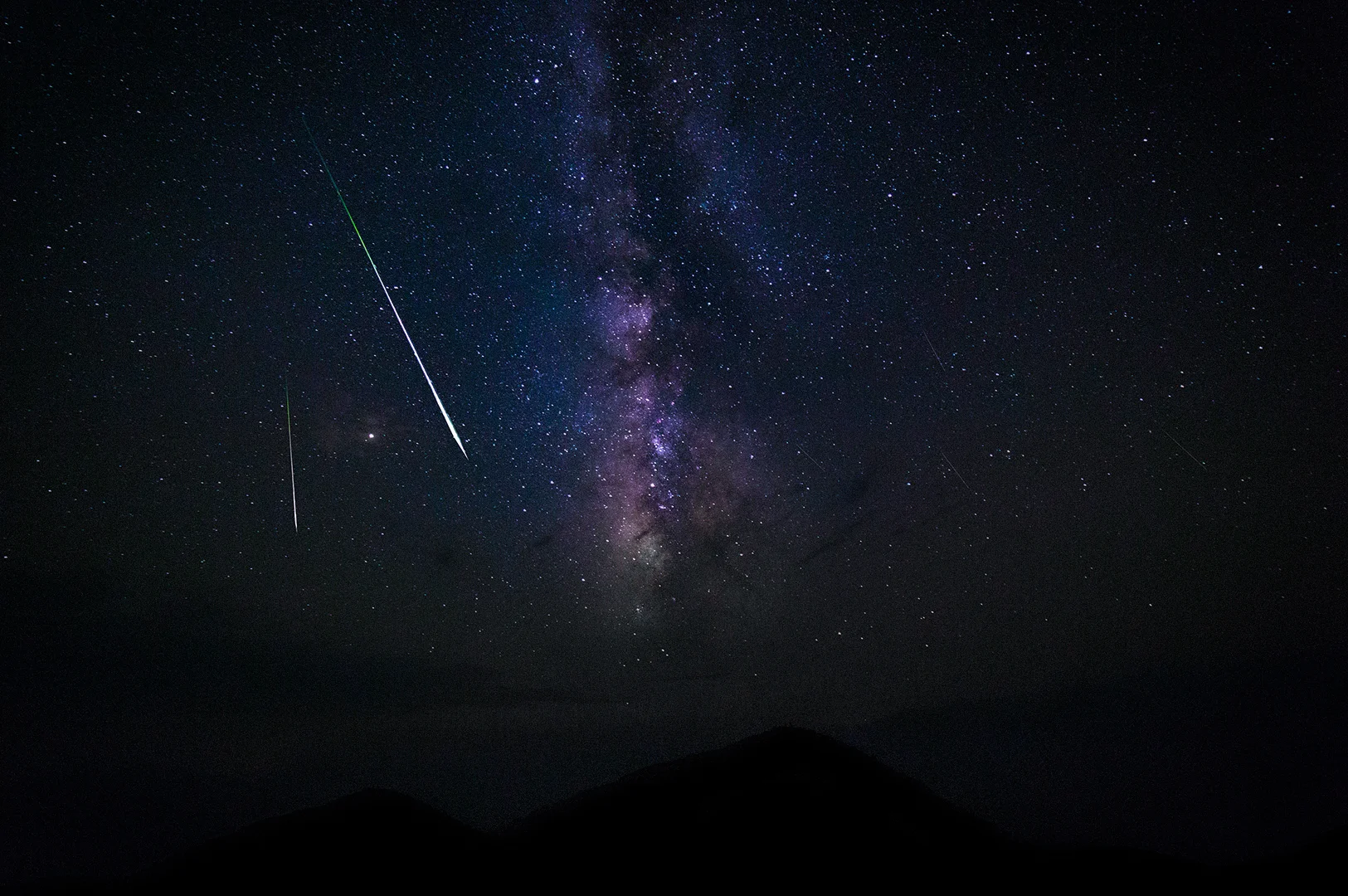
Singapore is a city defined by its brilliant illumination. We have glowing supertrees, brightly lit expressways, and an urban skyline that rarely sleeps. It is undeniably humid, perpetually busy, and practically the opposite of a certified dark-sky reserve. Yet, despite the pervasive light pollution and the unpredictable tropical clouds, the month of December brings a quiet astronomical rhythm to our island.
Every year, the geminids meteor shower singapore experience gives us a compelling reason to step away from the fluorescent glare and look up. The Geminids are recognized as one of the only major meteor showers and are considered a reliable shower, consistently ranking among the best meteor showers of the year for their brightness and peak activity.
When I first decided to track this astronomical event, I was sceptical that city lights would wash out the display. However, watching the Geminids in Singapore is less about a guaranteed spectacle and more about enjoying an urban night sky adventure.
What Is the Geminid Meteor Shower and 3200 Phaethon? The Strange Asteroid Behind the Show
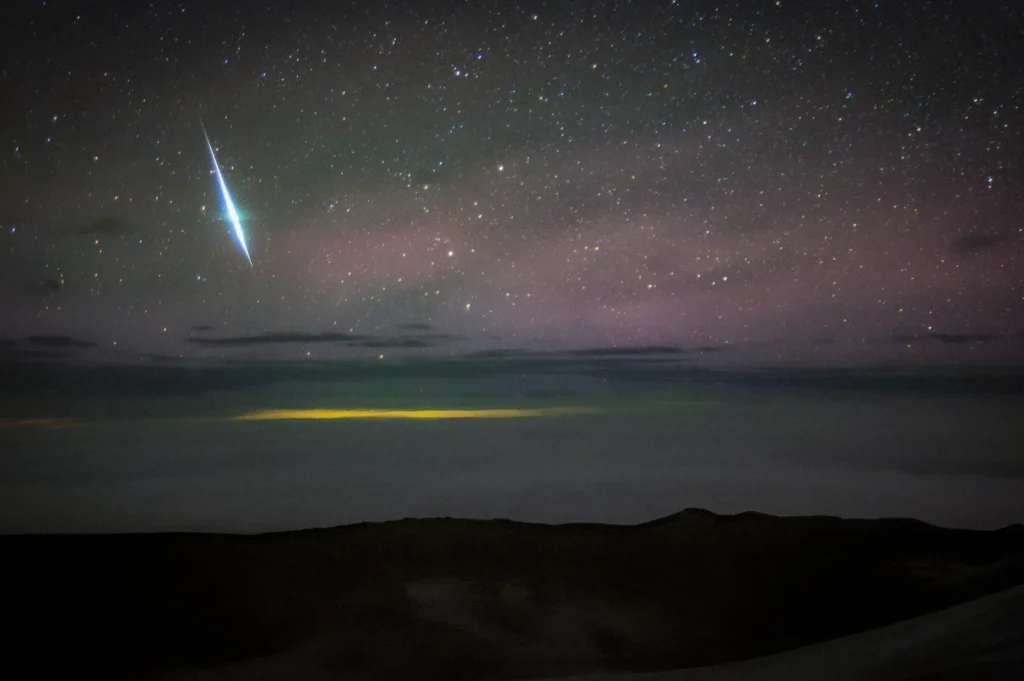
To appreciate what you are looking for, it helps to understand the mechanics behind it. A meteor shower occurs when the Earth passes through debris trails left by comets or asteroids. While most meteor showers are born from icy comets, the geminid meteor shower is uniquely different. The Geminids are unusual because they originate from the near earth asteroid 3200 Phaethon, a rocky asteroid with characteristics of a rock comet or dead comet, rather than a typical comet with a cometary tail.
The Geminids originate from asteroid 3200 Phaethon. Discovered by the infrared astronomical satellite (IRAS) on October 11, 1983, 3200 Phaethon is a strange asteroid whose orbit and behavior blur the line between asteroids and comets. Astronomer Fred Whipple identified 3200 Phaethon as the source of the geminid meteoroids, noting its highly elliptical orbit around the sun. This rocky asteroid acts somewhat like a comet, leaving behind dense debris trails along its orbit. When Earth passes through these debris trails every December, those tiny fragments hit our planet’s atmosphere at immense speeds, burning up and creating brilliant streaks of bright meteors. The Geminids are known for their colorful meteors, which can appear in various hues due to metals like sodium and calcium.
They are called the geminids because, from our perspective on Earth, the geminid meteors appear to radiate outward from the radiant point in the constellation Gemini. However, you do not need special equipment or expertise in celestial navigation to spot them. The shooting stars can appear anywhere across the wide canvas of the night sky.
Can You See the Geminids Meteor Shower in Singapore? Challenges and Rewards Under City Lights
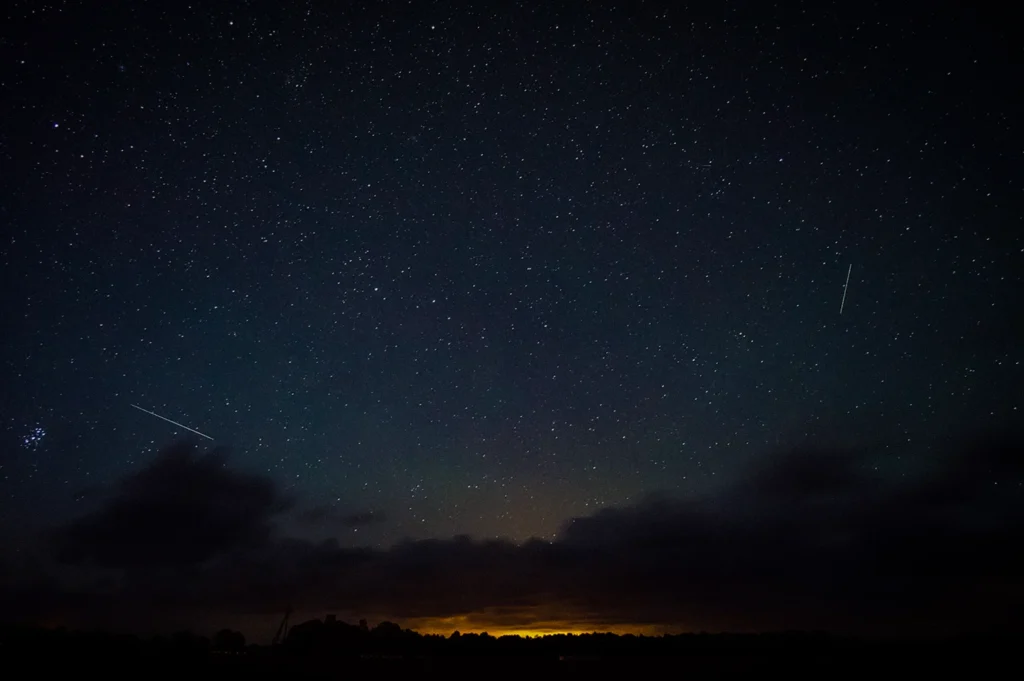
The short answer is yes, but you must calibrate your expectations.
In perfectly dark skies, a viewer might observe up to 120 meteors per hour during the shower’s peak. In Singapore, our dense light pollution and frequent cloud cover dramatically reduce that number. The actual number of geminid meteors visible is much lower than the theoretical maximum due to the planet’s atmosphere and city lights. You might spend an hour staring upward and see only three or four bright meteors.
While the Geminids are best seen from the northern hemisphere, they are also visible from the southern hemisphere, including Singapore. Seeing many meteors streak across Singapore’s sky is a rewarding challenge, depending on light pollution, moon phase, and cloud cover. Treat it as a waiting game under the night sky—the unpredictability makes each sighting special.
Remember, many meteors can be visible across the sky, not just near the constellation Gemini. Move your gaze around to maximize your chances of spotting these celestial streaks.
When to Watch the Geminid Meteor Shower Peaks in Singapore: Mid December’s Best Night Sky Event
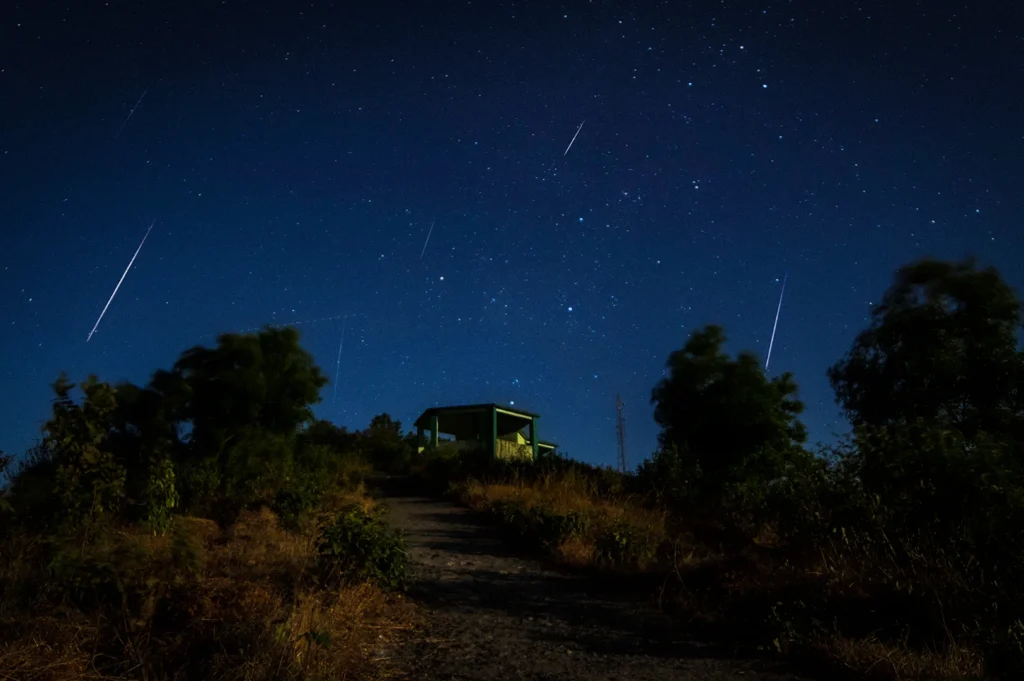
Timing your outing requires a bit of precision. The geminid meteor shower peaks typically run from early to mid-December; in fact, the shower is visible from December 4 to December 17 each year, with peak activity occurring around mid December.
For those planning ahead, the predicted peak for 2026 is projected to occur around the nights of 13 to 14 December. Last year, the predicted peak is December 13-14, with optimal viewing conditions around 2 a.m. local time. The best viewing window in Singapore is from midnight to dawn, especially between 1 AM and 3 AM, when the sky is darkest and more meteors per hour can be seen. The radiant rises in the northeast sky as the radiant point in the constellation Gemini climbs higher. As the radiant rises in mid evening, more meteors become visible, and earthgrazers—slow, long-lasting meteors—may be observed traversing the sky.
The best viewing window usually opens late at night and stretches into the pre-dawn hours. During its shower’s peak, the Geminids can produce up to 120 meteors per hour under ideal conditions, making it one of the most reliable showers of the year, though the actual number seen may be lower due to moonlight and weather. The peak of the geminid meteor shower coincides with the Northeast Monsoon season, which may lead to overcast skies and affect visibility.
If you are treating this as a casual evening out, starting your observation around 11:00 PM is a sensible approach. The city lights tend to dim slightly as street lights and commercial buildings power down, giving you a slightly better contrast. If you are deeply committed to the pursuit, setting an alarm for 3:00 AM might yield the darkest possible skies and the highest frequency of meteors. For 2026, viewing conditions are nearly optimal due to a waxing crescent moon that will set early, resulting in dark skies during peak hours. In other years, moonlight from a waning crescent moon may impact visibility, so plan your observation to minimize interference for the best experience.
Where to Watch the Geminids’ Radiant Point in Singapore: Finding Dark Skies Amidst City Lights
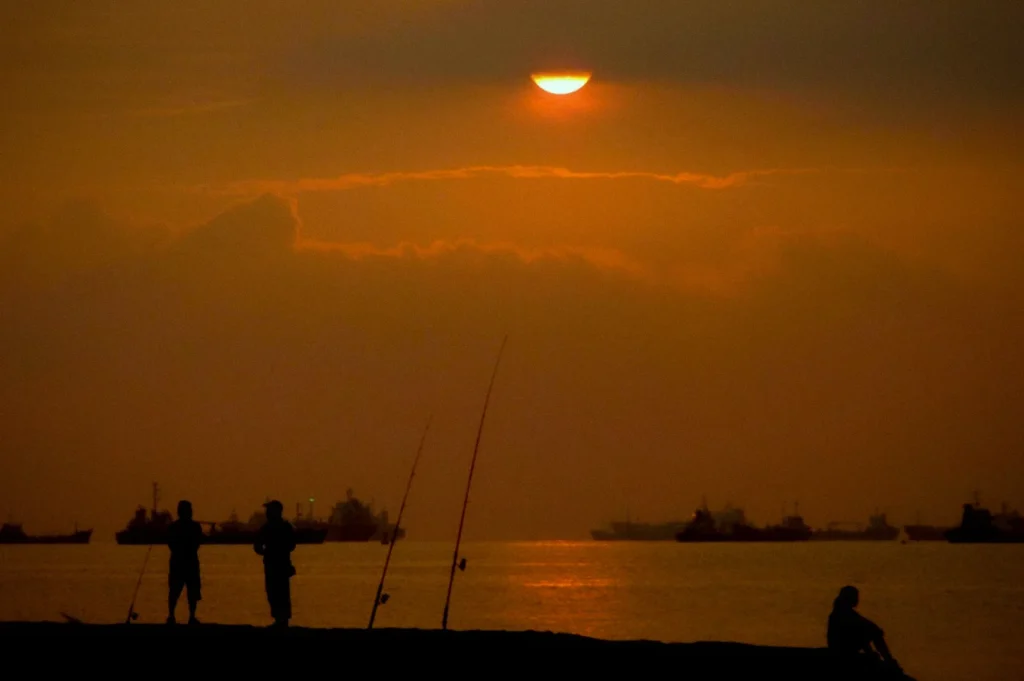
You do not need to trespass into restricted areas or drive to the absolute edge of the island to find a decent vantage point. The goal is simply to find a safe, open space that offers a wide view of the sky, relatively shielded from direct street lights and city lights glare. To maximize meteor visibility, escape urban light pollution by seeking locations far from street lights and city lights, and choose open spaces with unobstructed views of the horizon.
Coastal Areas Locations like East Coast Park, Changi Beach Park, and West Coast Park offer expansive, unobstructed horizons over the water. The lack of towering residential blocks directly overhead makes these spots ideal for laying out a mat and scanning the expanse above.
Reservoir Parks MacRitchie Reservoir and Upper Seletar Reservoir provide darker environments than most neighbourhood parks. The tree lines help block out some of the ambient light from nearby roads, creating a quieter, more enclosed viewing arena.
Open Fields and Neighbourhood Parks If you prefer not to travel far, a large, unlit football field or a spacious neighbourhood park can serve just fine. The key is to position yourself so that no direct light sources are hitting your eyes.
For those who wish to ground their night-sky adventure in formal education, the Science Centre Observatory serves as an excellent anchor. While the Observatory might not host a specific viewing party for the exact shower’s peak hour of the Geminids, their regular stargazing sessions offer brilliant context and a controlled environment to learn your way around the constellation Gemini and other showers.
How to Plan Your Meteor Shower Night: Comfort and Night Vision Essentials
A successful night of stargazing is often a waiting game, requiring patience as you watch the sky for the best sightings. Heading out unprepared usually results in mosquito bites, a stiff neck, and early frustration. Here is how I plan a comfortable observation session.
Bring a lawn chair or a sleeping bag for comfort during extended viewing, so you can relax and look up at the sky for long periods. No special equipment like telescopes or binoculars is needed to enjoy the geminid meteor shower—just your naked eye. However, a red light flashlight can help preserve your night vision. To enhance your viewing experience, find a location away from city lights, lie flat on your back, and allow your eyes to adjust to the darkness for 20 to 30 minutes. Avoid looking at bright screens during this time to maximize your ability to spot meteors.
1. Check the Weather Forecast
Singapore’s December climate is notoriously fickle. Check the cloud cover and rain radar images an hour before you intend to leave. If the sky is entirely overcast, you might be better off saving your energy for the following night.
2. Prepare Your Viewing Kit
Comfort is paramount when you are sitting still for an extended period. Bring the following items:
- A picnic mat or a low, foldable camping chair.
- Mosquito repellent to ward off the inevitable tropical insects.
- A portable fan to keep the humid air moving.
- A large water bottle and some simple snacks.
- A light jacket or shawl, as coastal winds can feel remarkably chilly after midnight.
- A compact umbrella, just in case the weather turns unexpectedly.
3. Allow Your Eyes to Adapt
Night vision is a biological process that takes time. When you arrive at your chosen spot, find a comfortable position and put your mobile phone away. It takes roughly 20 to 30 minutes for the human eye to fully adapt to the dark.
Mistakes First-Timers Make: Patience and Perspective Under the Night Sky
If you are new to tracking astronomical events, it is easy to fall into a few common traps. Avoiding these missteps will drastically improve your experience.
Expecting a Fireworks Display A meteor shower is an exercise in patience. It is not an orchestrated performance with continuous, rapid-fire explosions. You might stare at empty blackness for twenty minutes before a sudden, brilliant streak flashes past. Embrace the quiet gaps; they are part of the waiting game.
Using a Telescope or Binoculars This is perhaps the most frequent misunderstanding. Meteors move incredibly fast and cover vast distances across the sky. Using a telescope severely restricts your field of view, practically guaranteeing you will miss the action. The geminid meteor shower is best viewed with the naked eye—no special equipment is needed.
Constantly Checking Your Phone Every time you look at a bright screen, you immediately reset your night vision. You must then wait another twenty minutes for your eyes to readjust. If you must use your phone, turn the brightness to its lowest setting and utilise the red-light mode if your device supports it.
Focusing on a Single Point While the geminid meteors radiate from the radiant point in Gemini, they can appear anywhere. The constellation Gemini is fairly easy to spot in the night sky, especially in relation to Orion, but do not give yourself a neck ache staring rigidly at one star. Lie flat on your back, relax your gaze, and take in as much of the sky as possible.
Why This Pairs Well With a Science Centre Visit: Learning Before the Night
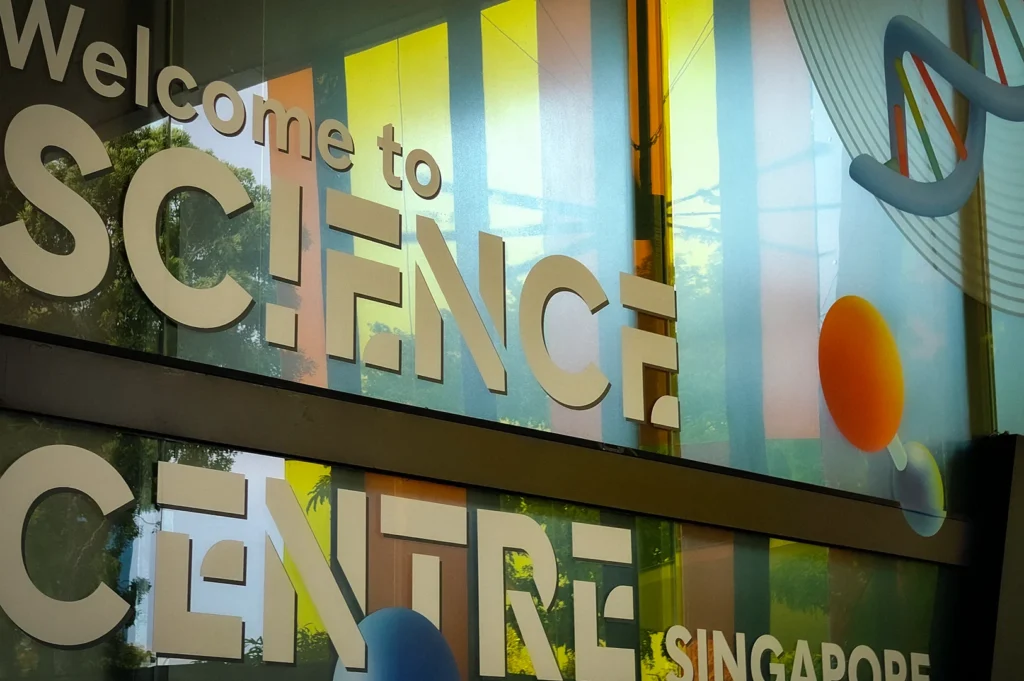
The pursuit of the Geminids aligns perfectly with the philosophy of the Science Centre Singapore. The centre is built on the idea that scientific principles should be accessible, interactive, and tangible.
Spending an afternoon exploring the daytime exhibits or attending a structured stargazing session at the Observatory provides a superb foundation of knowledge. You learn about planetary orbits, the composition of the universe, and how to navigate the night sky.
Transitioning from that structured environment to a late-night vigil in a local park takes that education out of the classroom and into the real world. It transforms theoretical astronomy into a deeply personal, hands-on experience. The Science Centre sparks the initial curiosity; the midnight vigil under the stars sustains it.
For those seeking a more intimate and comfortable viewing experience, booking a private room Singapore at select venues can offer a cozy escape from the city’s hustle while providing a better vantage point for stargazing. Click here to explore options and make a reservation.