
The Morning Ritual
Before the office crowds arrive and the city fully wakes up, many neighbourhood kopitiams are already busy.
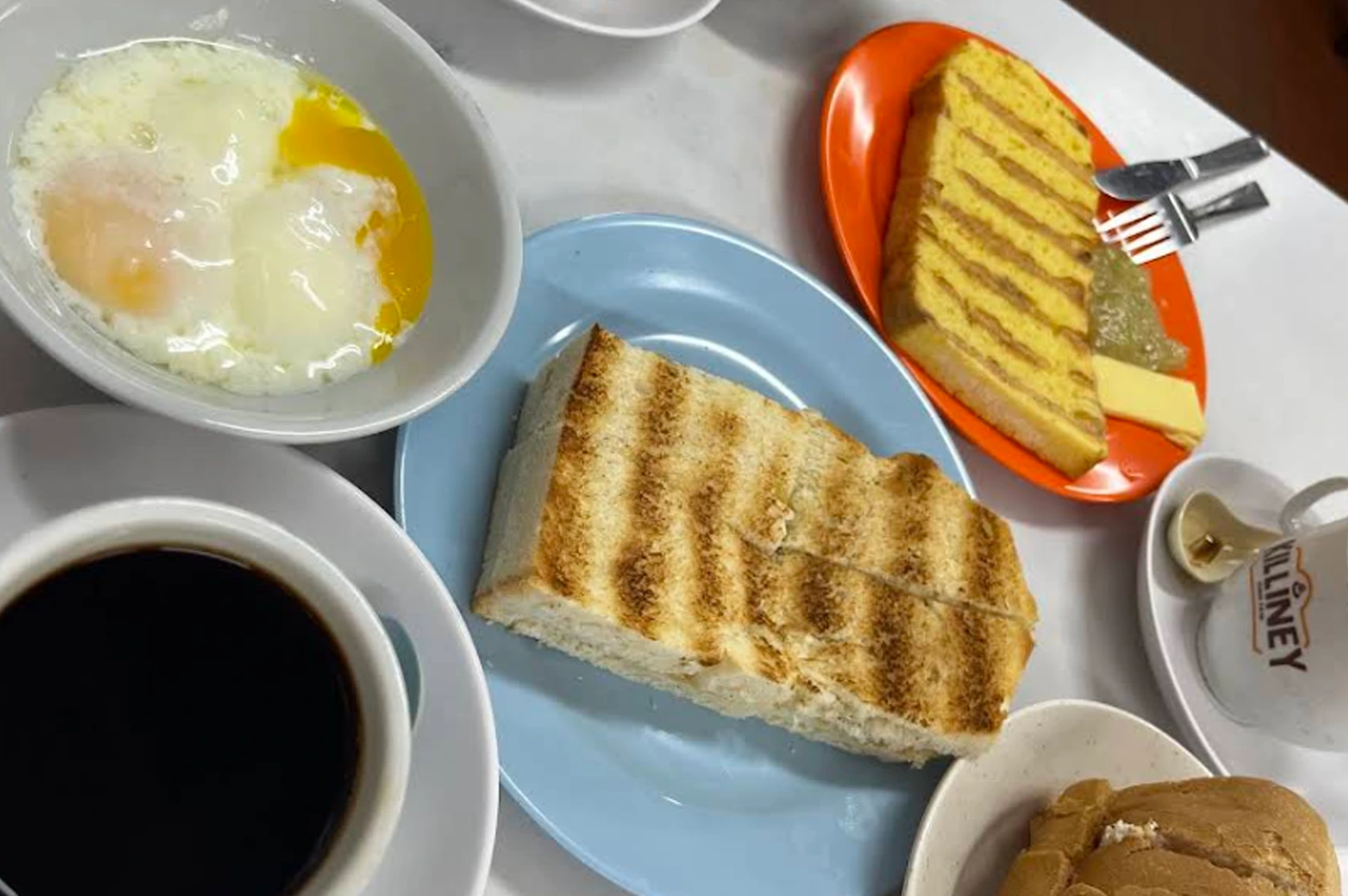
The routine is familiar. Someone orders kopi with less sugar. Another asks for soft boiled eggs and kaya toast. Newspapers rest on plastic tables while conversations move slowly between sips of coffee.
This morning scene repeats itself across Singapore every day.
It is not dramatic or trendy. There are no elaborate menus or long waiting lists. Yet for many people, kopitiam breakfast remains one of the most reliable food rituals in the city.
A Meal That Has Barely Changed
In a food landscape that constantly introduces new cafés and brunch concepts, kopitiam breakfasts remain remarkably consistent.
The core menu rarely shifts. Kaya toast, soft boiled eggs, kopi, and teh continue to define the experience.
The toast is crisp but light. The kaya is sweet and fragrant. The eggs arrive soft, waiting to be mixed with soy sauce and pepper.
These combinations have existed for generations, and most kopitiams still prepare them in almost the same way.
That familiarity is part of the appeal. When people sit down for breakfast at a kopitiam, they already know what to expect.
The Pace of the Morning
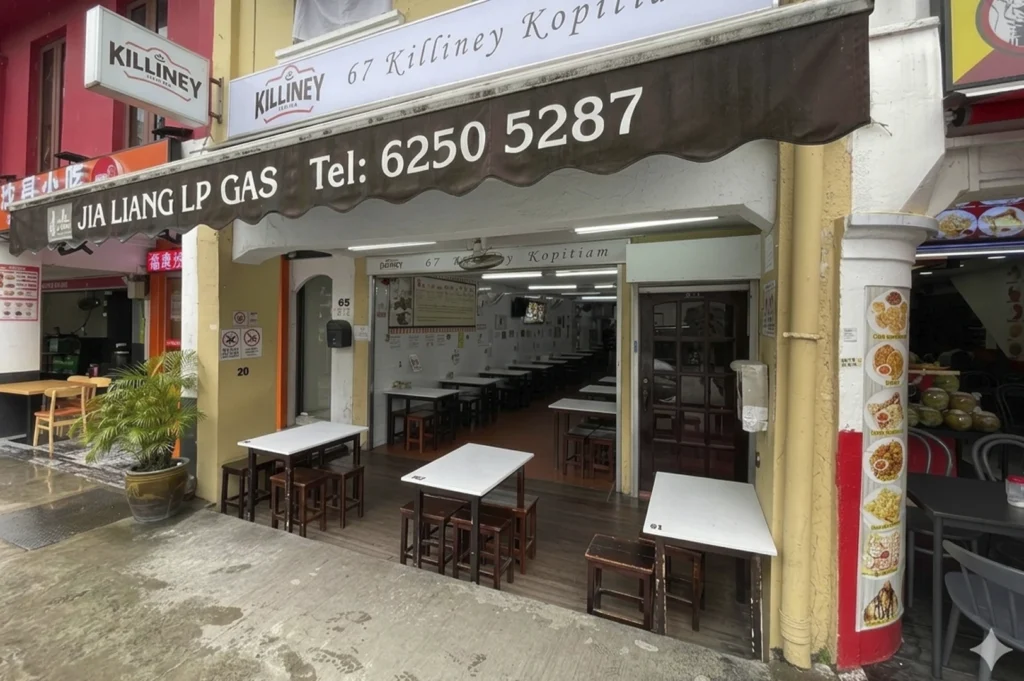
Breakfast at a kopitiam also carries a different rhythm from the rest of the day.
Unlike busy lunch crowds or dinner queues, the morning pace is slower. People linger over their coffee. Some quietly observe the neighbourhood coming to life.
Regular customers often appear at the same time each day.
The uncle who orders kopi kosong. The retiree reading the newspaper. The office worker stopping by before catching the MRT.
Over time, these repeated routines create a quiet sense of familiarity within the space.
The Simplicity That Still Works
Part of what makes kopitiam breakfasts feel enduring is their simplicity.
The meal is affordable, quick to prepare, and deeply familiar. It does not rely on new ingredients or changing trends.
Instead, it focuses on doing a few things well.
The bread must be toasted correctly. The kaya must be balanced in sweetness. The eggs must be soft without becoming watery.
These small details matter more than variety.
For many regulars, the experience is less about discovery and more about reliability.
A Small Window Into Everyday Singapore
For visitors, kopitiams often represent a cultural curiosity.
For locals, they represent something more ordinary.
Kopitiams sit at the intersection of daily life. Students grab breakfast before school. Office workers start their mornings here. Older residents spend long hours chatting over coffee.
The space becomes less about food alone and more about routine.
A simple breakfast quietly connects different generations in the same environment.
Why the Experience Still Matters
Singapore’s café scene continues to grow. New brunch menus appear regularly, offering specialty coffee and creative dishes.
Yet kopitiam breakfasts remain deeply rooted in the city’s daily rhythm.
They remind people that a good meal does not always require innovation. Sometimes it only requires consistency and familiarity.
A plate of toast, two soft eggs, and a cup of kopi may seem simple.
But for many Singaporeans, that simple breakfast still represents the most honest way to start the day.