
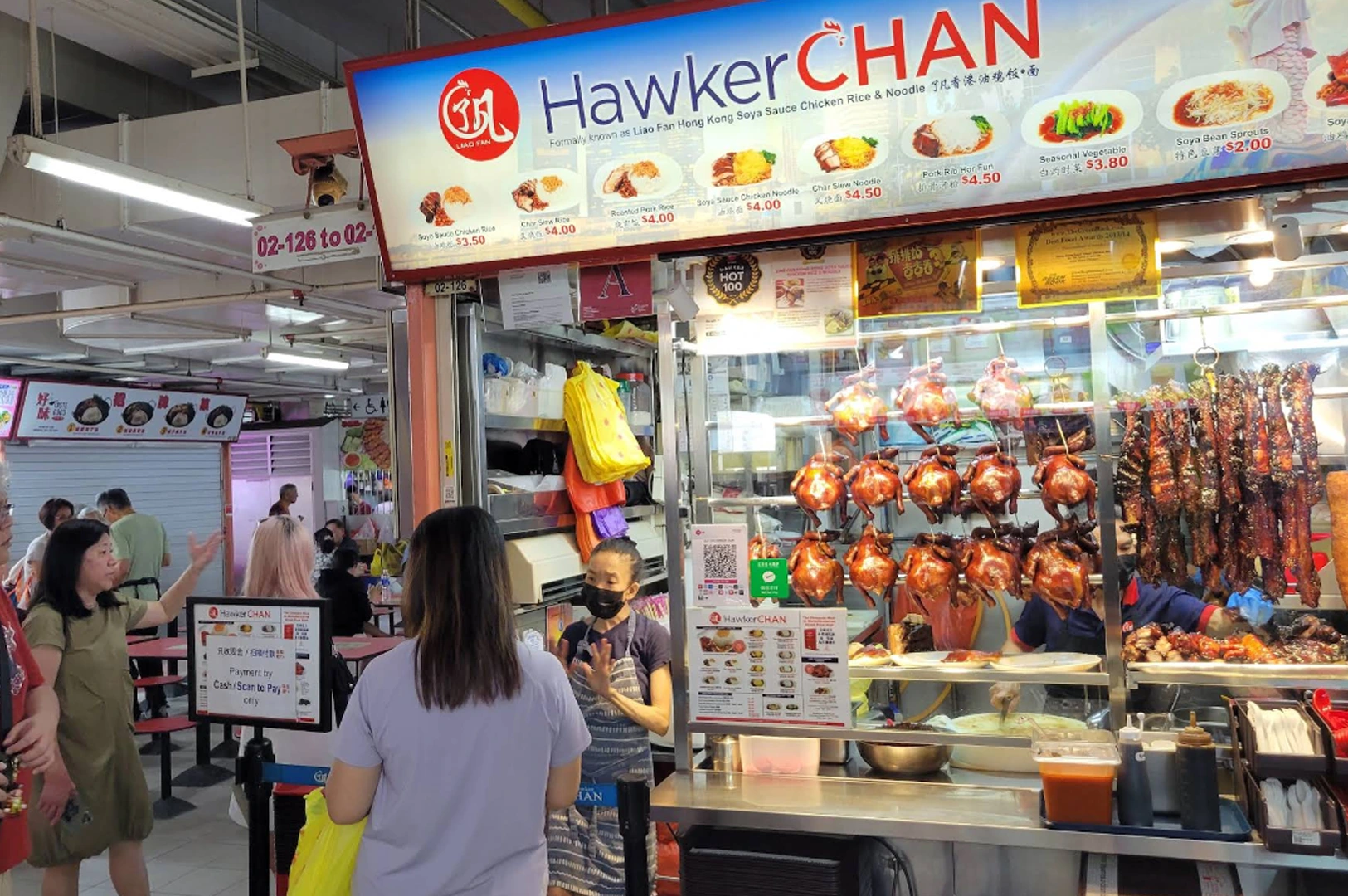
The Old Expectation
For many years, hawker centres in Singapore were defined by one simple idea. Good food at very affordable prices.
Office workers, families, and students all relied on hawker centres for everyday meals that were satisfying and inexpensive. A plate of chicken rice, a bowl of noodles, or a serving of nasi lemak could easily cost only a few dollars.
That affordability became part of Singapore’s identity. Visitors often marvelled at how such good food could remain so accessible.
But over time, the reality inside hawker centres has slowly begun to change.
The True Cost Behind the Plate
Running a hawker stall today is no longer as straightforward as it once was.
Ingredients have become more expensive. Labour costs have risen. Utilities and stall rentals have increased in many locations. Even packaging for takeaway orders adds to daily expenses.
Many hawkers have tried to absorb these increases without raising prices too quickly. But the pressure is difficult to ignore.
A bowl of noodles that once cost three dollars might now cost five or six. While still affordable compared to restaurants, the difference reflects the growing cost of keeping a stall running.
For diners who grew up with very low hawker prices, the shift can feel noticeable.
A New Generation Behind the Stalls
Another visible change is the people running the stalls.
In the past, many hawkers entered the trade out of necessity. It was a practical way to earn a living, often passed down within families over decades.
Today, a younger generation of hawkers has begun to appear. Some left corporate careers. Others trained in culinary schools or worked in restaurants before deciding to start a stall.
Their approach sometimes looks different.
Menus may experiment with new flavours. Traditional dishes are occasionally refined or presented differently. Branding and stall design can also be more deliberate than before.
This new generation does not replace the traditional hawkers, but it adds a new layer to the hawker landscape.
The Influence of Social Media
Social media has also changed how people discover hawker food.
In the past, a stall’s reputation grew mostly through word of mouth. Regular customers told their friends, and queues slowly formed over time.
Today, a single viral video or online review can transform a quiet stall into a popular destination almost overnight.
Long queues now appear not only for long established hawkers but also for stalls that gain attention on platforms like TikTok or Instagram.
For hawkers, this attention can bring both opportunity and pressure. Popularity increases demand, but it also raises expectations.
What Diners Expect Today
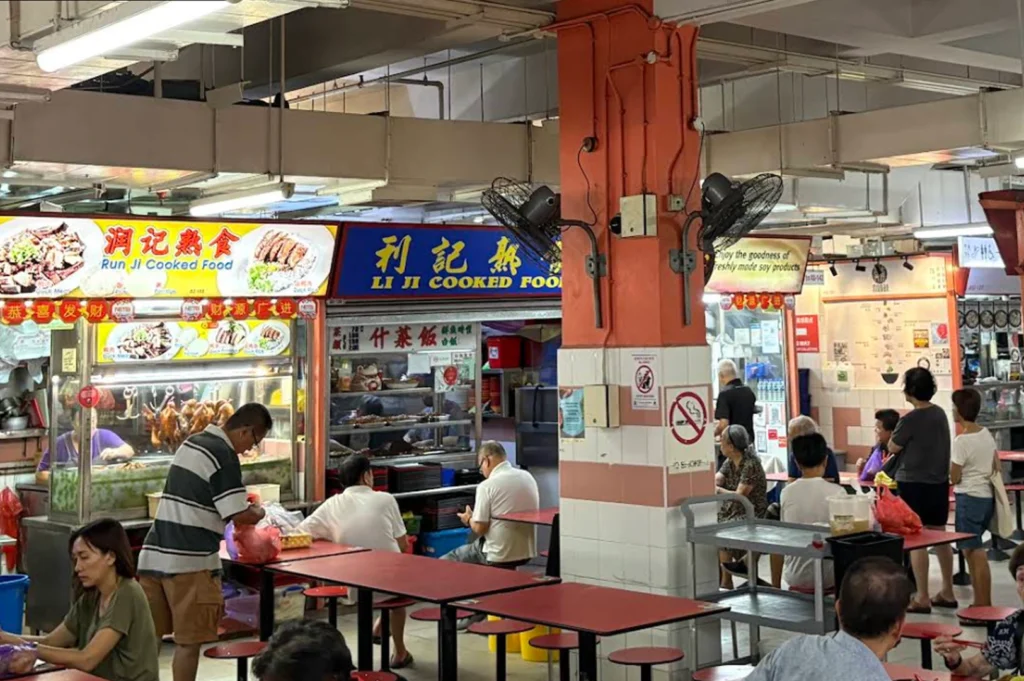
Diners themselves have also changed.
Many customers now expect hawker food to be both affordable and interesting. They still value traditional dishes, but they are also curious about variations and new interpretations.
At the same time, convenience matters more than before. Digital payments, takeaway packaging, and online food delivery have become part of the hawker ecosystem.
Hawker centres remain informal spaces, but the expectations surrounding them are gradually evolving.
More Than Just Cheap Food
Despite these changes, hawker centres continue to play a central role in Singapore’s food culture.
They remain places where people from different backgrounds share the same tables. Where familiar dishes appear across stalls that have been cooking them for decades.
But the idea that hawker centres exist only for cheap food is becoming outdated.
Today, they are also spaces for innovation, new careers, and changing food habits. Younger hawkers bring fresh perspectives, while traditional vendors continue to preserve long standing recipes.
The result is a hawker culture that is slowly adapting to modern Singapore.
Affordable food still matters. But the story of hawker centres has grown far beyond price alone.