
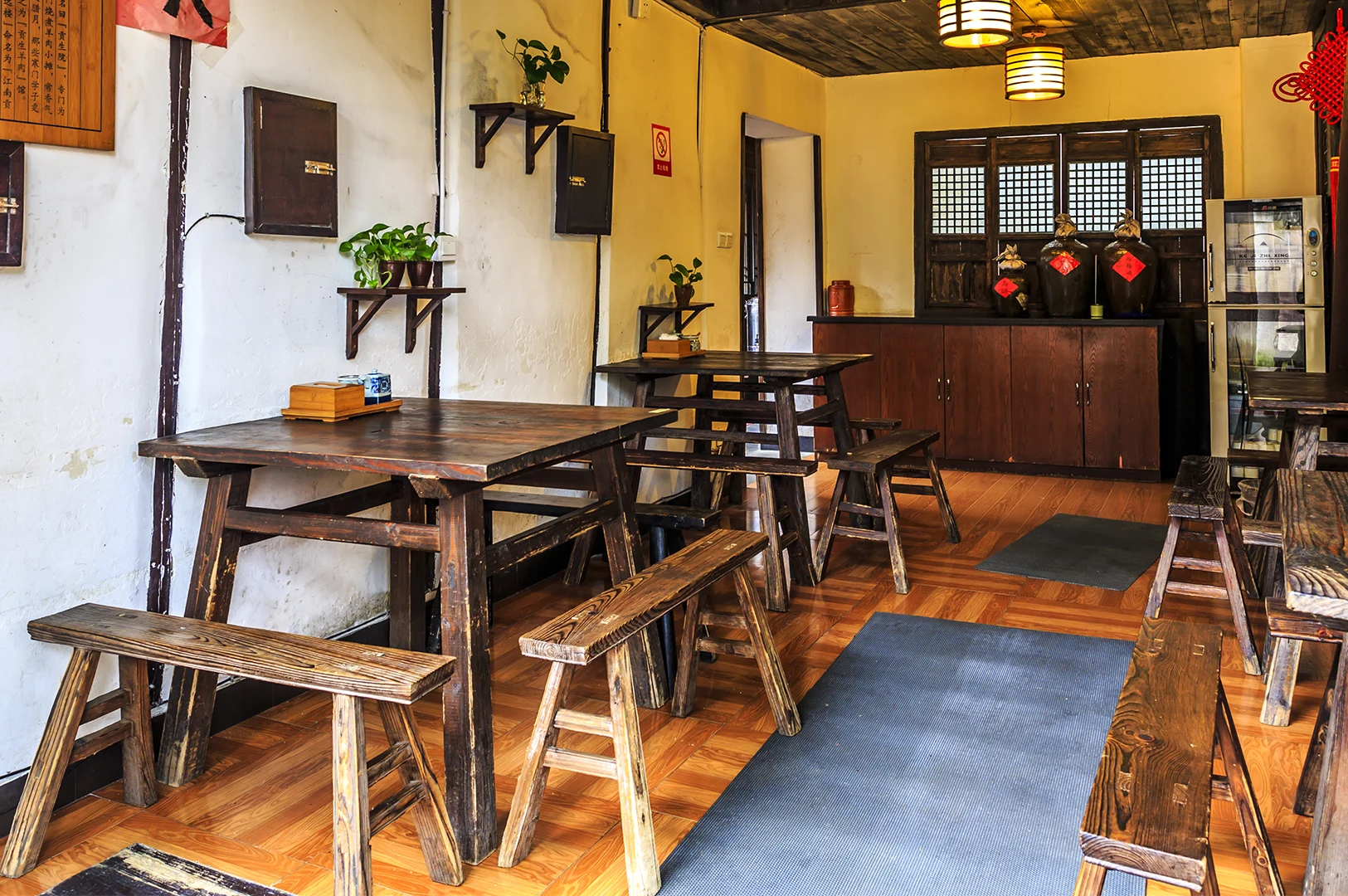
A Familiar Corner That Slowly Fades
Across many neighbourhoods in Singapore, there are corners that once felt permanent.
A coffee shop sits beneath an HDB block. Plastic chairs scrape softly across tiled floors. The smell of kopi, toasted bread, and fried noodles drifts out toward the walkway. Regulars gather at the same tables each morning.
For decades, these spaces were part of everyday life.
Yet in recent years, many of these old coffee shops have quietly disappeared.
Some close without much notice. Others reopen with a different concept, brighter lights, and menus that no longer resemble what used to be there.
For long-time residents, the change can feel subtle at first. But over time, the familiar rhythm begins to fade.
The Economics Behind the Shift
One of the biggest forces shaping this change is rent.
Coffee shop spaces beneath HDB blocks have become increasingly valuable. Operators who once ran simple neighbourhood businesses now face rising rental costs and higher operating expenses.
For some owners, the math no longer works.
Margins in traditional coffee shops are thin. Kopi and toast remain inexpensive because they are part of daily life. But keeping prices low while rent climbs higher becomes difficult.
New operators entering the market often take a different approach. Instead of maintaining a traditional kopi tiam, they renovate the space and introduce modern food concepts or curated hawker selections.
From a business perspective, the shift makes sense.
But culturally, something changes when the original space disappears.
The Owners Who Are Growing Older

Another quiet factor is time.
Many traditional coffee shops were started decades ago by owners who are now in their seventies or eighties. Running a coffee shop requires long hours, early mornings, and physical stamina.
For some, retirement becomes the only realistic option.
The next generation does not always take over. Younger family members may have different careers or different interests.
Without someone to continue the business, the shop closes. The signboard comes down. The familiar stall operators move on.
What once felt like a permanent neighbourhood fixture turns out to be more fragile than expected.
Changing Habits of Diners
Singapore’s dining habits have also evolved.
Younger diners often split their meals between hawker centres, cafés, and food delivery platforms. Coffee shops still attract regular customers, but the patterns are shifting.
Morning kopi and kaya toast remain part of daily routines for many older residents. Yet younger customers might choose specialty coffee or modern brunch spots instead.
Even when they visit coffee shops, their expectations may be different.
Air conditioning, digital payments, and more varied menus have become common requests. Traditional operators sometimes struggle to adapt to these changes without altering the character of the space.
Slowly, the old format becomes harder to sustain.
What These Spaces Meant to the Neighbourhood
A coffee shop was never just a place to eat.
It was also where neighbours recognised each other. Where retirees read the newspaper over kopi. Where stall owners knew their regulars by face and sometimes by name.
These spaces carried a sense of familiarity that did not rely on decoration or design.
The tables were simple. The menu was predictable. But the environment felt steady.
When an old coffee shop disappears, the loss is not always dramatic. A new tenant takes over, and the space continues to serve food.
Yet the atmosphere changes.
The quiet conversations, the familiar stall routines, and the long-standing relationships between vendors and customers gradually fade.
A Part of Singapore That Is Changing
Singapore has always evolved quickly. New neighbourhoods appear. Old buildings are replaced. Food trends shift with each generation.
Coffee shops are part of this larger cycle.
Some will adapt and survive. Others will transform into something entirely new.
But as older kopi tiams disappear, they take with them a particular version of neighbourhood life. One built around simple meals, familiar faces, and daily routines that rarely changed.
Their disappearance is quiet, but the absence is noticeable for those who remember what once stood in their place.