
The Unspoken Signal of a Good Meal
In Singapore, a queue outside a food stall is rarely seen as a problem. Instead, it often acts as a quiet endorsement.
Walk through any hawker centre around lunch hour and the pattern becomes obvious. One stall has five people waiting. Another has twenty. Most diners will instinctively join the longer line.
No one needs a sign that says the food is good. The queue has already said it.
In a city where thousands of food options sit within a few MRT stops, the crowd becomes a guide. A long line suggests reliability. It suggests that people have eaten there before and decided the wait was worth it.
For many locals, this simple observation removes the guesswork from choosing where to eat.
Trusting the Crowd
Singapore is a place that runs on efficiency. People want good food, but they also want certainty.
A queue offers that certainty.
When ten or twenty people are already waiting for the same bowl of noodles or plate of chicken rice, it creates a sense of collective trust. Someone else has already done the testing.
This behaviour appears everywhere. Hawker centres, neighbourhood bakeries, viral dessert shops, and even mall restaurants.
The logic is quiet but powerful. If this many people are willing to wait, there must be something worth waiting for.
In many ways, the queue becomes a shortcut for decision making.
The Hawker Centre Training Ground
Queue culture in Singapore did not appear overnight. It has been quietly shaped by decades of hawker dining.
Hawker centres are designed around limited stalls with focused menus. Each stall usually specialises in one dish or a small set of dishes. Because of that, reputation spreads quickly.
When a stall is known for excellent char kway teow or laksa, regular customers return again and again. Over time, those repeat visits create the long lines that newcomers eventually notice.
This pattern has trained generations of Singaporeans to read queues almost instinctively.
A long queue means patience. But it also means consistency.
Fear of Missing the Good Stuff
There is another quiet force behind Singapore’s queue culture. It is the feeling that something good might run out.
Many hawker stalls cook in limited batches. When the ingredients are finished, the stall closes for the day.
That small uncertainty changes the behaviour of diners.
When people see a queue forming early, they join quickly. Waiting becomes a way of securing a portion before the food sells out.
This is especially true for dishes known for limited production. Roast meats, handmade dumplings, traditional desserts, and specialty noodles often fall into this category.
In these situations, the queue is not just about popularity. It is about timing.
Waiting as Part of the Experience
Perhaps the most interesting part of Singapore’s queue culture is that the waiting itself has become normal.
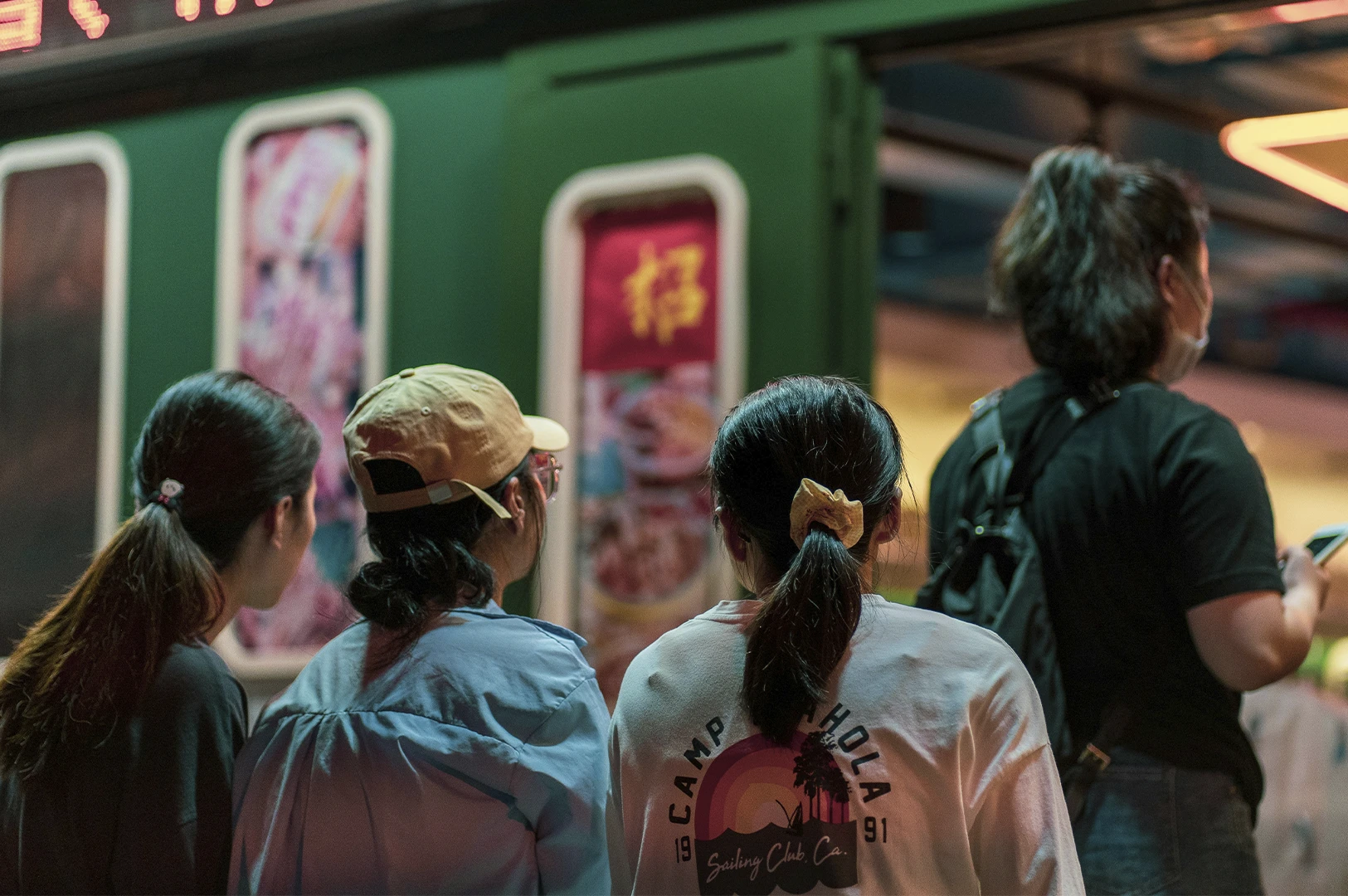
Standing in line with strangers at a hawker centre does not feel unusual here. People scroll through their phones, chat with friends, or quietly observe the stall at work.
There is also a sense of anticipation. Watching the cook prepare dish after dish builds expectation.
By the time the plate finally arrives, the wait has already added value to the experience.
A Quiet Agreement in the City
Singapore moves quickly in many ways. Trains arrive on schedule. Office lunches are short. Workdays are busy.
Yet when it comes to food, people are willing to slow down.
The queue outside a popular stall reflects a small agreement shared by diners across the city. Good food is worth a little patience.
And in Singapore, that patience often begins with a line that curves around the corner of a hawker stall.