
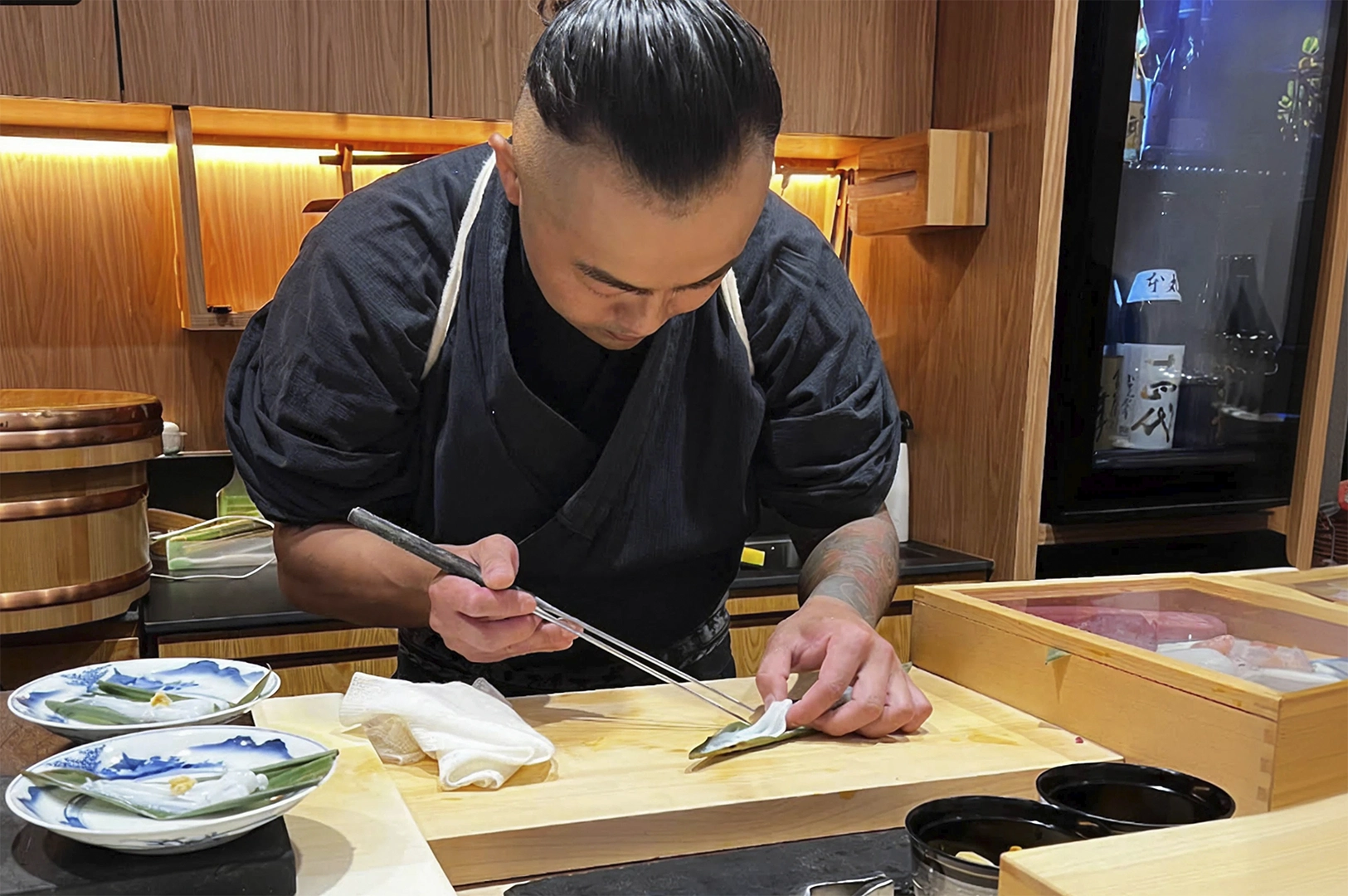
For three weeks, I had one mission: get a reservation at Sushi Masa by Ki-setsu. It started as a professional curiosity. I’d heard the whispers about this omakase spot, how it was the toughest booking in Singapore.
My initial thought was, of course, a healthy dose of scepticism. Hype is a powerful marketing tool, and manufactured scarcity is its oldest trick. I assumed it was just another restaurant playing hard to get.
But after a week of trying to book online, my professional curiosity curdled into personal obsession. The more I failed, the more I wanted in. It felt less like trying to book a table and more like trying to crack a code.
My frustration led me down a rabbit hole of investigation, and what I discovered about why this restaurant is so difficult to get into completely changed how I thought about it. It wasn’t about hype at all.
It was about arithmetic.
The First Sign That This Was Different
My usual methods were useless. I called, I checked their online reservation platform, I asked friends in the industry for a contact. Nothing. This is not a restaurant you can game. There’s no app with a notification system, no automated booking portal that opens at midnight, no waitlist you can sweet-talk your way onto. It felt decidedly, almost stubbornly, analogue.
After finally getting through on the phone, the person on the other end was polite but direct. They were fully booked for weeks. My persistence must have sounded like desperation, because she eventually offered a single piece of information that explained everything.
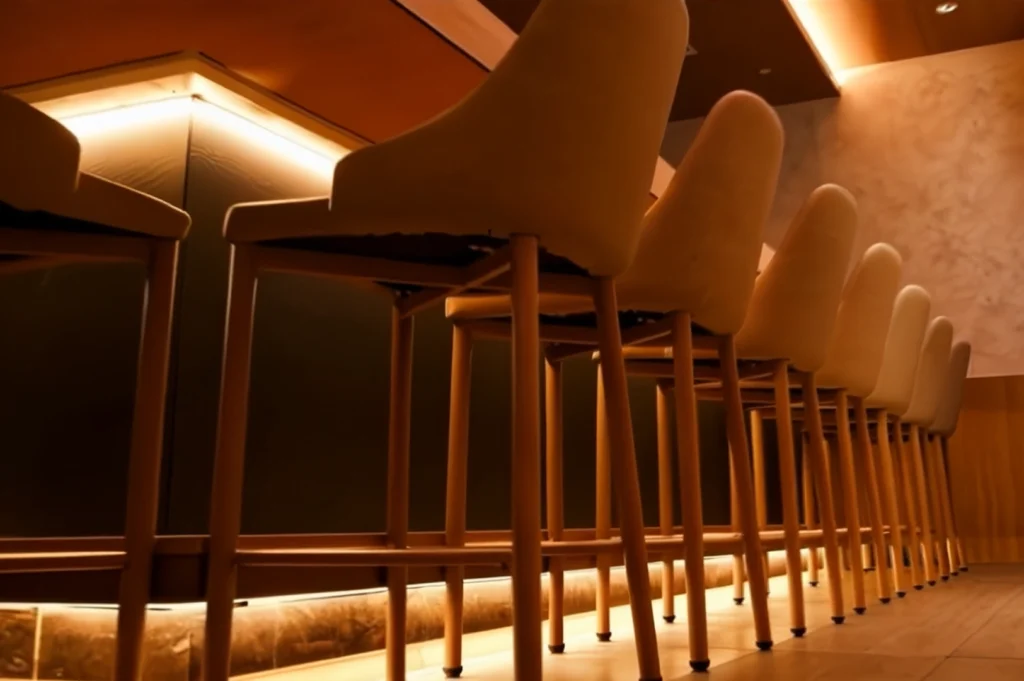
Sushi Masa by Ki-setsu seats only 8 guests per evening.
Just eight. My mind immediately went to exclusivity, to a deliberate choice to create demand. But the more I thought about it, the more it felt like an operational fact, not a marketing strategy. My disbelief turned into genuine curiosity.
What kind of restaurant in Singapore decides to serve only eight people a night?
Why Eight? The Answer Is Not What You Think
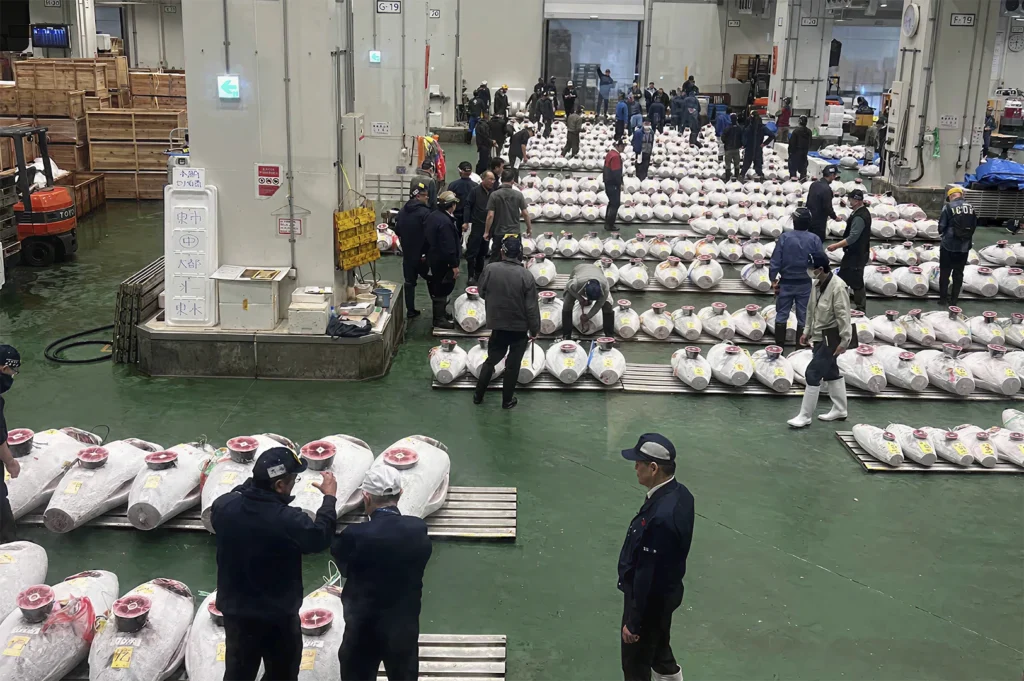
I learned that the eight-seat limit is not a design choice. It’s a direct consequence of a deeply held philosophy. The answer has nothing to do with creating an exclusive atmosphere and everything to do with sourcing.
Every morning, ingredients are flown in from Toyosu Market, Japan. The quantity of the absolute best fish and seafood that arrives that day determines how many guests can be properly served that evening.
This was the revelation that reframed the entire puzzle for me. The restaurant isn’t limiting the number of seats to be fashionable; the ingredients are.
Chef Masa will only serve what is perfect, and if the perfect catch for the day is only enough for eight people, then that is the limit. Eight is not a number chosen for prestige. Eight is the honest limit of what arrives. It’s a number dictated by the ocean, not by an accountant.
Suddenly, the difficulty made a different kind of sense.
The Menu That Doesn’t Exist Until Morning
One of the most fascinating things about Sushi Masa by Ki-setsu is that there is no fixed menu. Nothing is planned weeks ahead, and no two nights are ever identical. Every morning, Chef Masa waits for the fresh shipment from Toyosu Market before deciding what will be served that evening.
What reaches your plate depends entirely on what arrived at its absolute peak that day. It feels less like dining from a menu and more like surrendering yourself to the rhythm of the ocean; unpredictable, fleeting, and impossible to replicate twice.
They don’t know what they will be serving tomorrow. No two evenings are ever identical.
This connects directly to the booking difficulty. You aren’t just reserving a seat; you are reserving a space in a performance that will only happen once. The combination of ingredients, the sequence of dishes, the very nature of the meal you are booking is a complete unknown. It’s a concept that is either deeply unsettling or incredibly compelling. After weeks of trying to get in, I was firmly in the compelling camp.
You’re booking a meal that doesn’t exist yet.
What You Are Actually Paying For
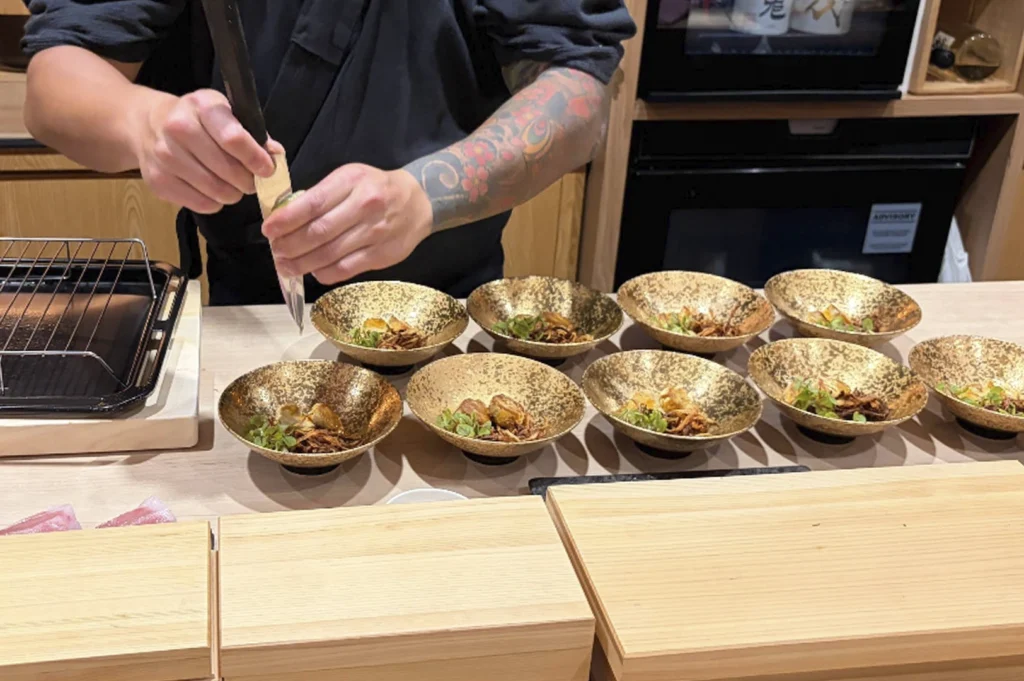
Let’s talk numbers. Dinner at Sushi Masa by Ki-setsu starts from $230 per person, with premium menu options from $320 per person and up. The meal itself is a slow, deliberate affair, running 2–3 hours across 16 or more seasonal courses. At first glance, the price seems steep. But when I started doing the mental maths, it began to look different.
You are one of only eight people in the room. You have the undivided attention of the chef. And most importantly, Chef Masa personally prepares every dish for every single guest at the 8-seat omakase counter.
He forms the sushi, he plates the course, he hands it to you. When you break it down per course, per minute of the chef’s personal attention, the price is not just for the food. It is for the time, the focus, and the skill of a master, shared with an incredibly small group of people.
The arithmetic starts to add up.
Tuesday to Saturday, Dinner Only — and Why That Matters
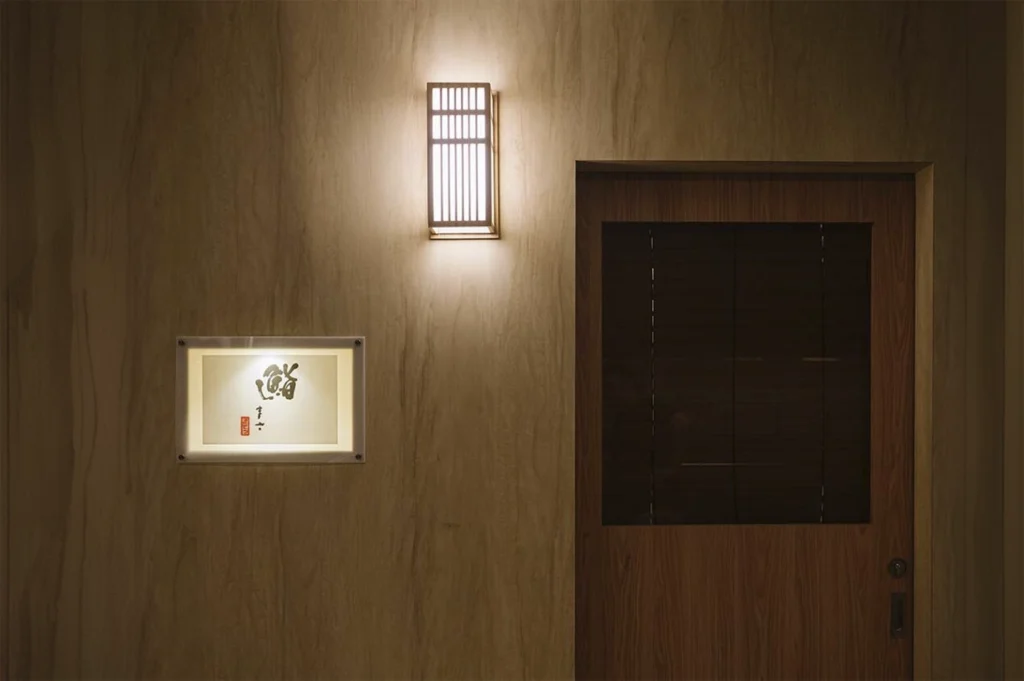
The practical details are as specific as the philosophy. Sushi Masa by Ki-setsu is open for dinner only, Tuesday to Saturday. It is closed on Mondays. Private bookings are available on Sundays. These hours aren’t designed for maximum revenue. They are a direct reflection of the sourcing rhythm.
The restaurant effectively runs on a Japanese market calendar, not a Singaporean hospitality one. The days off align with the market’s schedule, ensuring that nothing is ever held over. The restaurant is not trying to squeeze in a lunch service or stay open seven days a week, just recently, it closed through 3rd of May to 7th of May, and just opened last 8th of May. It is a business that is completely, uncompromisingly optimised for quality, not profit.
In Singapore, finding a restaurant that isn’t trying to maximise its own occupancy is a strange and beautiful thing.
Getting a Table — The Honest Guide
So, how do you actually get in? There is no secret trick. The answer is simple, if not easy.
- Advance booking is essential. You should expect to wait weeks, sometimes months, for a reservation. Same-week availability is practically unheard of.
- The restaurant is located at Level 6, Cuppage Plaza, Singapore. When you do call, be polite and, most importantly, be flexible with your dates. Having a few options in mind will increase your chances.
- Be prepared to commit. This isn’t a casual booking; it’s an appointment you plan your schedule around.
Is it worth the effort? After everything I learned, I believe it is. You are not just fighting for a seat at a popular restaurant. You are trying to secure a place for an experience that is, by its very nature, incredibly rare.
The Meal That Only Exists Once
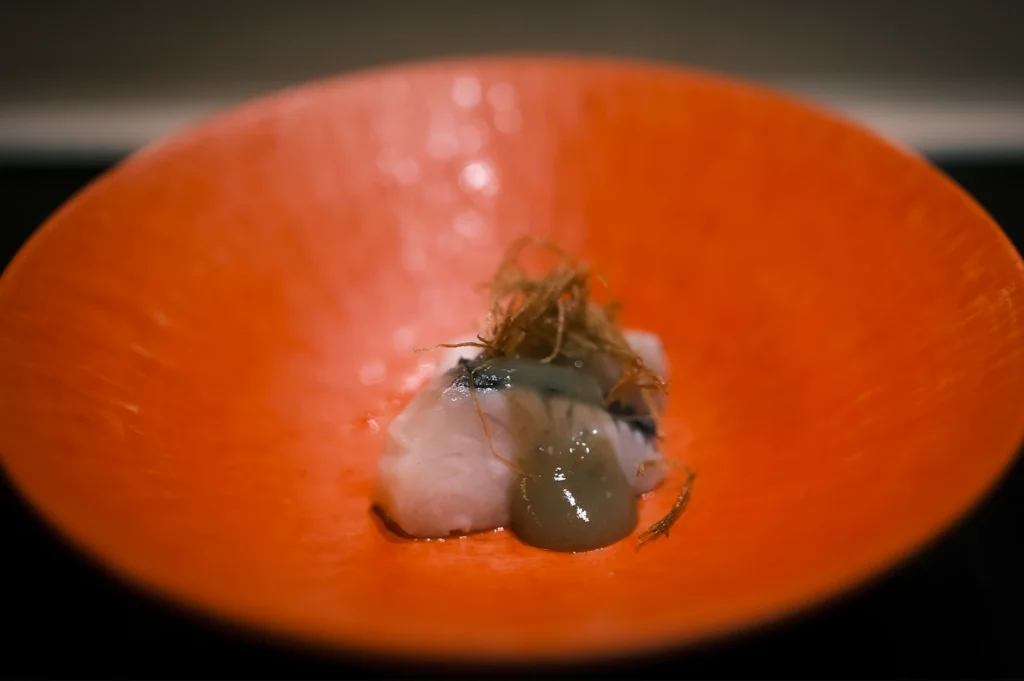
Putting it all together, the picture becomes clear. The 8 seats, the daily sourcing from Toyosu Market, the menu decided each morning, Chef Masa preparing every dish—it all points to a single, coherent idea.
Sushi Masa by Ki-setsu is not hard to book because it is trendy. It is hard to book because it is genuinely, mathematically finite.
The restaurant operates with a set of constraints that most businesses would find terrifying. But it’s those constraints that make it what it is. The specific meal you have on the night you attend, with that specific combination of fish from the market that day, will never be replicated. It only exists once.
And that is why it’s worth the wait.
Hungry for more exclusive dining experiences? Discover them all at Eat Play Stay